Материал: 2016_Kaplan_USMLE_Step_1_Lecture_Notes_Pharmacology
|
Section III λ |
Cardiac and Renal Pharmacology |
|
|
||||||||||||||||||||||||||
|
|
|
|
|
|
|
|
|
|
|
|
RELAXATION |
|
|
||||||||||||||||
|
|
|
|
|
|
|
|
|
|
|
(↑ cAMP or ↑ cGMP) |
|
|
|||||||||||||||||
|
|
|
|
|
|
|
|
|
|
|
|
|
|
|
|
|
|
|
|
|
|
|
|
|
|
|||||
|
|
|
|
|
|
|
|
|
Calcium channel blockers |
|
|
|
|
|
|
|
|
|
||||||||||||
|
|
|
|
|
|
|
|
|
|
|
|
|
(Nifedipine) |
|
|
|
|
|
|
|
|
|
|
|
||||||
|
|
|
|
|
|
|
|
|
|
|
|
|
|
|
|
|
|
|
|
|
|
|
|
|
|
|
|
|
|
|
|
|
|
|
|
Gs coupled receptors (β2) |
|
|
|
|
|
PDE inhibitors |
|
|
|||||||||||||||||
|
|
|
|
|
|
|
(Theophylline, Inamrinone) |
|
||||||||||||||||||||||
|
|
|
|
|
|
|
+ |
|
|
|
|
|
|
|
|
|
|
|
|
|
|
|
|
|
|
|
|
|
|
|
|
|
|
|
|
|
|
|
|
|
|
|
|
ATP |
|
|
|
|
|
|
|
|
|
|
|
|
|||||
|
|
|
|
|
|
|
|
|
|
|
|
|
|
|
|
|
|
|
|
|
|
|
|
|
|
|
||||
|
|
|
|
|
|
|
|
|
|
|
|
|
|
|
|
|
|
|
|
|
|
|
|
|
|
|
|
|
|
|
|
|
|
|
|
|
|
Adenyl cyclase |
|
|
|
|
|
phospho- |
|
|
|||||||||||||||
|
|
|
|
|
|
|
|
|
|
|
|
|
|
|
|
|
|
|
|
diesterase |
|
|
|
|
||||||
|
|
|
|
|
|
|
|
|
|
|
|
|
|
cAMP |
|
|
|
AMP |
|
|||||||||||
|
|
|
|
|
|
|
|
|
|
|
|
|
|
|
|
|
|
|
|
|
|
|
|
|
||||||
|
|
|
|
|
|
|
+ |
|
|
|
|
|
|
|
|
|
|
|
|
|
|
|
|
|||||||
|
|
|
|
|
|
|
|
|
|
|
|
|
|
|
|
|
|
|
|
|
|
|
|
|
|
|
|
|
|
|
|
|
|
|
|
|
|
|
|
|
|
Protein kinase A |
|
|
|
|
|
|
|
|
|
|
|||||||||
|
|
|
|
|
|
|
|
|
|
|
|
|
|
|
|
|
|
|
|
|
|
|
|
|
|
|
|
|
|
|
|
|
|
|
|
|
|
|
|
|
|
|
|
|
|
|
|
|
|
|
|
|
|
|
|
|
|
|
|
|
|
|
|
|
|
|
|
|
|
Myosin light chain kinase P |
|
|
|
|
|
|
|
|||||||||||||||
|
|
|
|
|
|
|
|
|
|
|
|
(inactive) |
|
|
|
|
|
|
|
|
|
|
|
|||||||
|
|
|
|
|
|
|
|
|
|
|
|
|
|
|
|
|||||||||||||||
|
|
|
|
|
|
|
|
|
|
|
Myosin light chain |
|
|
|
|
|
|
|
|
|
||||||||||
|
|
|
|
|
|
|
|
|
|
|
|
|
|
(inactive) |
|
|
|
|
|
|
|
|
|
|
|
|||||
|
|
|
|
|
|
|
|
|
|
|
|
|
|
|
|
|
|
|
|
|
|
|
|
|
|
|
|
|
|
|
|
|
|
|
|
|
|
|
|
|
|
|
|
|
|
|
|
|
|
|
|
|
|
|
|
|
|
|
|
||
|
|
|
|
|
|
|
|
|
|
|
|
Phosphatase |
|
|
|
|
|
|
|
|
|
|
|
|||||||
|
|
|
|
|
|
|
+ |
|
|
|
|
|
|
|
|
|
|
|
|
|
|
|
|
|||||||
|
|
|
|
|
|
|
|
|
|
|
|
|
|
|
|
|
|
|
|
|
|
|
||||||||
|
|
|
|
|
|
|
|
|
|
|
|
|
|
|
|
|
|
|
|
|
|
|
|
|
||||||
|
|
|
|
|
|
|
|
|
|
|
Protein kinase G |
|
|
|
|
|
|
|
|
|
|
|||||||||
|
|
|
|
|
|
|
+ |
|
|
|
|
|
phospho- |
|
|
|||||||||||||||
|
|
|
|
|
|
|
|
|
|
|
|
|
|
|||||||||||||||||
|
|
|
|
|
|
|
|
|
|
|
|
|
|
|
|
|
|
|
|
diesterase |
|
|
|
|||||||
|
|
|
|
+ |
|
|
|
|
|
|
|
|
|
cGMP |
|
|
|
GMP |
|
|||||||||||
|
|
|
|
|
|
|
|
|
|
|
|
|
|
|
|
|
|
|
|
|
|
|
|
|
||||||
|
|
|
|
|
|
|
|
|
|
|
|
|
|
|
|
|
|
|
|
|
|
|
|
|
|
|
|
|
|
|
|
NO |
|
|
|
Guanyl cyclase |
|
|
|
|
|
|
|
|
|
|
|
|
|
|
|
|
|
|
|
||||||
|
|
|
|
|
|
|
|
|
|
|
|
|
|
|
|
|
|
|
|
|
|
|
|
|||||||
|
|
|
|
|
|
|
+ |
|
|
|
|
|
|
|
GTP |
|
|
PDE inhibitors |
|
|
|
|||||||||
|
|
|
|
|
|
|
|
|
|
|
|
|
|
|
|
|||||||||||||||
|
|
|
|
|
|
|
|
|
|
|
|
|
|
|
|
|
|
|
|
(sildenafil) |
|
|
|
|||||||
|
|
|
|
|
|
|
|
|
|
|
|
|
|
|
|
|
|
|
|
|
|
|||||||||
Gq-coupled |
|
|
|
• NO-giving drugs |
|
|
|
|
|
|
|
|
|
|
|
|
|
|
|
|
|
|||||||||
|
|
|
|
|
|
|
|
|
|
|
|
|
|
|
|
|
|
|
||||||||||||
receptors |
|
|
|
(nitroprusside, |
|
|
|
|
|
|
|
|
|
|
|
|
|
|
|
|
|
|||||||||
(M3, bradykinin, |
|
|
hydralazine, |
|
|
|
|
|
|
|
|
|
|
|
|
|
|
|
|
|
||||||||||
H1 receptors on |
|
|
nitroglycerin) |
|
|
|
|
|
|
|
|
|
|
|
|
|
|
|
|
|
||||||||||
endothelium) |
|
|
|
• Nesiritide |
|
|
|
|
|
|
|
|
|
|
|
|
|
|
|
|
|
|||||||||
CONTRACTION ↑(Ca2+)
|
|
|
|
|
|
|
|
|
|
|
|
|
|
|
|
|
|
|
Gq coupled |
||||
|
|
|
|
||||||||
Calcium |
|
|
|
receptors |
|||||||
|
|
(α, M3 receptors |
|||||||||
entry |
|
|
|
||||||||
|
|
|
|
|
|
on smooth muscle) |
|||||
|
|
|
|
|
|
|
|
|
|
|
|
|
|
|
|
|
|
|
|
|
|
||
|
|
|
|
|
Ca2+ |
|
|
|
|
||
|
|
|
|
|
|
|
|||||
|
|
|
|
|
|
|
|
|
|
|
|
|
|
|
|
|
|
|
|||||
|
|
|
Ca2+ calmodulin |
|
|||||||
|
|
|
|
|
|
|
|
|
|
|
|
Myosin light chain kinase (active)
Myosin light chain |
P |
|
|
|
|
|
|
|
|
|
|
Myosin light chain |
P |
|
plus actin |
|
|
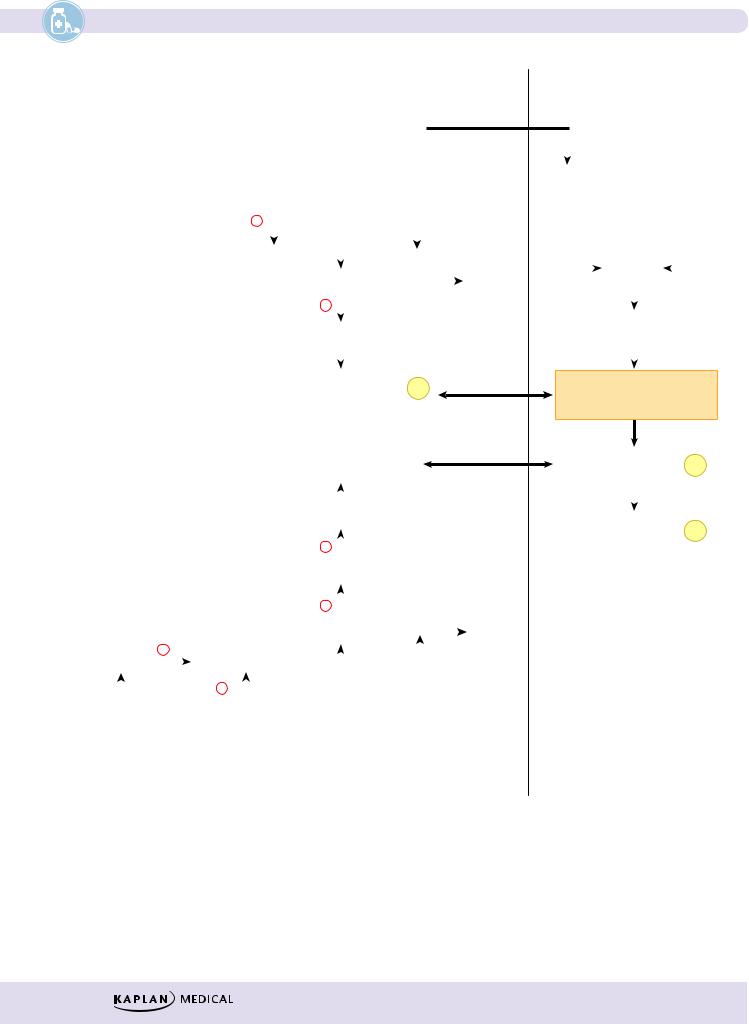
Figure III-5-2. Mechanisms of Smooth Muscle Contraction and
Relaxation and Drugs Affecting Them
114

Chapter 5 λ Antianginal Drugs
Chapter Summary
λAngina is the principal syndrome caused by ischemic heart disease. The forms are classic, stable and vasospastic.
λThe drug strategies are to increase oxygen supply by decreasing vasospasm (nitrates and calcium channel antagonists [CCBs]) and to decrease cardiac oxygen requirements by decreasing peripheral vascular resistance and/or cardiac output (nitrates, CCBs, and beta blockers).
λNitrates increase NO concentrations. Increased NO activates guanylyl cyclase; this increases cGMP levels, which dephosphorylates myosin light chains, decreasing their association with actin and thereby promoting smooth muscle relaxation. These mechanisms are summarized in Figure III-5-1.
λNO-enhancing drugs used to treat angina include nitroglycerin and isosorbide.
λThe adverse effects of the nitrates are also considered.
λCCBs decrease contractility and increase vasodilation by preventing the influx of Ca2+ required for muscle contraction. The sequence of reactions involved is summarized in Figure III-5-2. The CCBs considered are the dihydropyridines (e.g., nifedipine), verapamil, and diltiazem.
λBeta blockers act directly on the heart by decreasing the heart rate, the force of contraction, and cardiac output, thereby decreasing the work performed.
115
Antihyperlipidemics 6
Learning Objectives
Solve problems concerning HMG-CoA reductase inhibitors
Demonstrate understanding of bile acid sequestrants
Use knowledge of nicotinic acid (niacin, vitamin B3)
Solve problems concerning gemfibrozil, fenofibrate (fibrates)
Explain information related to ezetimibe
Answer questions related to orlistat
λ↑ risk of atherosclerosis is associated with hypercholesterolemia
λ↑ risk of cardiovascular and cerebrovascular diseases
λTreatment goal is to ↓ LDL cholesterol and atheroma plaque formation
Lipoprotein Lipase
Gemfibrozil
Blood |
AcCoA |
GI |
|
|
Niacin, Statins
VLDL
HMG CoA
Statins
Mevalonic acid
Cholesterol
Bile acids
|
|
|
|
Cholesterol |
Ezetimibe |
|
|
|
|||
|
|
|
|||
|
|
out |
Cholestyramine |
||
|
|
|
|
|
|
|
|
|
|
|
|
|
|
|
|
|
Colestipol |
|
|
|
|
|
|
|
|
|
|
|
|
|
|
|
|
|
|
|
|
|
|
|
|
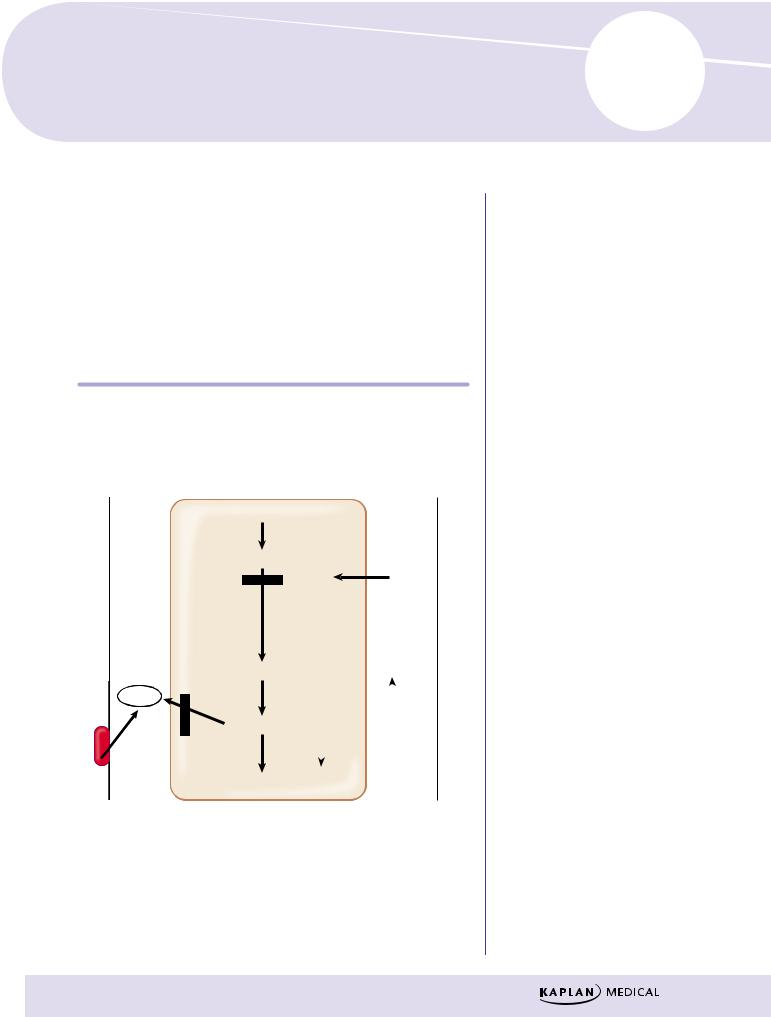
Figure III-6-1. Site of Action of Statins, Niacin, and Gemfibrozil on the Synthesis of Lipids
117

Section III λ Cardiac and Renal Pharmacology
Clinical Correlate
Nonstatin drugs have not been shown to improve cardiovascular outcomes when added to statin therapy. These drugs are most often used in patients who cannot tolerate a statin.
HMG-CoA REDUCTASE INHIBITORS
λDrugs: atorvastatin, rosuvastatin, and other “–statins”
−At their highest therapeutic doses, atorvastatin and rosuvastatin are considered “high-intensity” statins and can lower LDL-C by ≥ 50%
−Lower doses of statins are classified as “low” or “moderate” intensity
λMechanisms:
−HMG-CoA reductase inhibition, results in:
º↓ liver cholesterol
º↑ LDL-receptor expression
º↓ plasma LDL
−↓ VLDL synthesis results in: ↓ triglyceridemia
λSide effects:
−Myalgia, myopathy (check creatine kinase)
−Rhabdomyolysis
−Hepatotoxicity (check liver function tests)
λDrug interaction:
−Gemfibrozil (↑ rhabdomyolysis)
−Cytochrome P450 inhibitors enhance toxicity of statins
BILE ACID SEQUESTRANTS
λDrugs: cholestyramine and colestipol
λMechanism: complexation of bile salts in the gut, results in:
−↓ enterohepatic recirculation of bile salts
−↑ synthesis of new bile salts by the liver
−↓ liver cholesterol
−↑ LDL-receptor expression
−↓ blood LDL
λSide effects:
−↑ VLDL and triglycerides
−Gastrointestinal disturbances
−Malabsorption of lipid-soluble vitamins
−Hyperglycemia
λDrug interactions with orally administered drugs (warfarin, thiazides, digoxin, etc.)
λContraindication: hypertriglyceridemia
NICOTINIC ACID (NIACIN, VITAMIN B3)
λMechanism: inhibition of VLDL synthesis, results in:
−↓ plasma VLDL
−↓ plasma LDL
−↑ plasma HDL
118