Материал: 2016_Kaplan_USMLE_Step_1_Lecture_Notes_Pharmacology
Anticonvulsants 5
Learning Objectives
Describe the mechanism of action and unique features of the commonly used anticonvulsants
Provide an overview of which anticonvulsants are used for which types of seizures
λSeizures result from episodic electrical discharges in cerebral neurons associated with prolonged depolarization, during which sustained, high-frequency, repetitive firing (SHFRF) occurs, followed by prolonged hyperpolarization. The goal of drug management is restoration of normal patterns of electrical activity.
λMechanisms of action:
–↓ axonal conduction by preventing Na+ influx through fast Na channels—carbamazepine, phenytoin
–↑ inhibitory tone by facilitation of GABA-mediated hyperpolariza- tion—barbiturates, benzodiazepines
–↓ excitatory effects of glutamic acid—lamotrigine, topiramate (blocks AMPA receptors); felbamate (blocks NMDA receptors)
–↓ presynaptic Ca2+ influx through type-T channels in thalamic neurons—ethosuximide and valproic acid
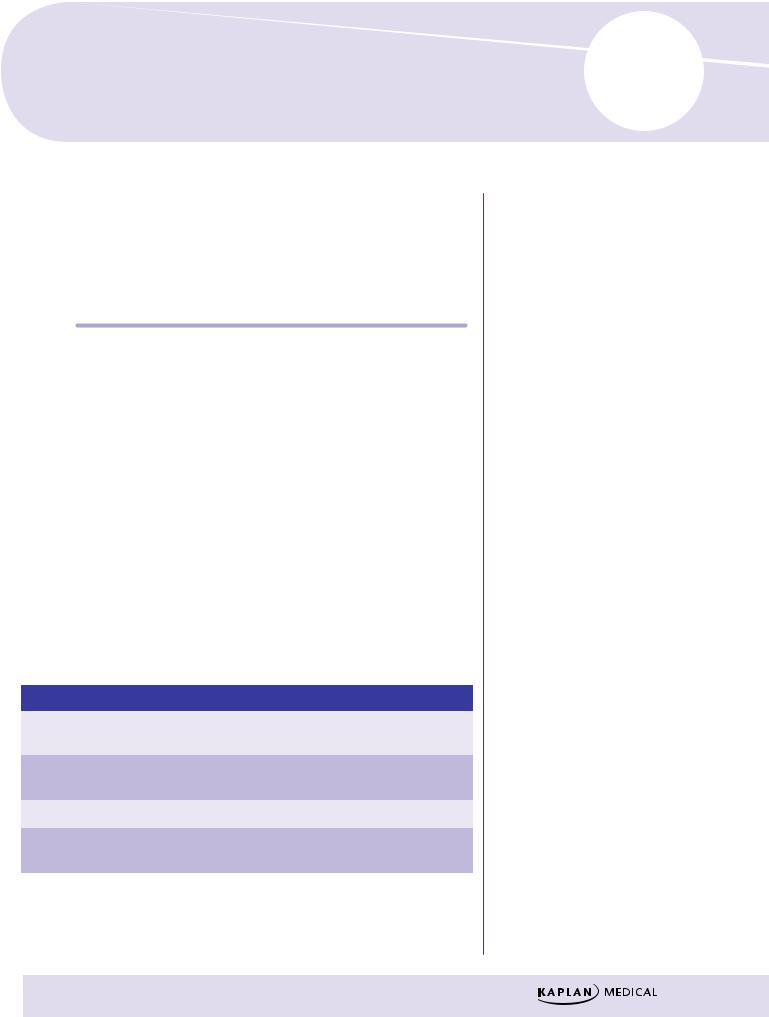
Table IV-5-1. Seizure States and Drugs of Choice
Seizure Type |
|
Effective Drugs |
Partial—simple or complex |
|
Valproic acid, phenytoin, carbamazepine, |
|
|
lamotrigine |
General—tonic-clonic |
|
Valproic acid, phenytoin, carbamazepine, |
|
|
lamotrigine |
General—absence |
|
Ethosuximide, valproic acid |
Status epilepticus |
|
Lorazepam, diazepam, phenytoin, |
|
|
or fosphenytoin* |
*IV fosphenytoin is more water soluble.
149

Section IV λ CNS Pharmacology
λPrimary anticonvulsants
−Phenytoin
ºBlocks axonal Na+ channels in their inactivated state
ºPrevents seizure propagation
ºUses: seizure states
ºPharmacokinetics: Variable absorption Nonlinear kinetics
Induction of cytochrome P450s Zero-order kinetic of elimination
ºSide effects:
CNS depression
Gingival hyperplasia
Hirsutism
Osteomalacia (↓ vitamin D)
Megaloblastic anemia (↓ folate)
Aplastic anemia (check hematology lab results)
ºTeratogenicity: cleft lip and palate
−Carbamazepine
ºMechanism identical to phenytoin
ºUses:
Seizure states
DOC for trigeminal neuralgia
Bipolar disorder
ºPharmacokinetics: induces cytochrome P450, including its own metabolism
ºSide effects:
CNS depression Osteomalacia Megaloblastic anemia Aplastic anemia Exfoliative dermatitis
↑ ADH secretion (dilutional hyponatremia) º Teratogenicity:
Cleft lip and palate Spina bifida
−Valproic acid
º Mechanism:
Similar to phenytoin
But also inhibition of GABA transaminase
Blockade of T-type Ca2+ channels
150

Chapter 5 λ Anticonvulsants
º Uses:
Seizure states
Mania of bipolar disorders Migraine prophylaxis
ºPharmacokinetics: inhibits cytochrome P450s
ºSide effects:
Hepatotoxicity (from toxic metabolite)
Thrombocytopenia
Pancreatitis
Alopecia
ºTeratogenicity: spina bifida
−Ethosuximide
ºMechanism: blockade of T-type Ca2+ channels in thalamic neurons
ºUse: absence seizures
−Lamotrigine
ºBlocks Na+ channels and glutamate receptors
ºUsed in various seizures
ºSide effects: Stevens-Johnson syndrome
−Levetiracetam
ºMechanism unclear
ºUsed in focal-onset and generalized tonic-clonic seizures
−Topiramate
ºBlocks Na+ channels and glutamate receptors and enhances GABA activity
ºUsed in focal seizures in adults and children > age 2; also used in migraine prophylaxis
ºSide effects: weight loss
λGeneral features of anticonvulsant drug use:
−Anticonvulsants are additive with other CNS depressants
−Avoid abrupt withdrawal, which may precipitate seizures
−↓ efficacy of oral contraceptives via induction of cytochrome P450
λOther anticonvulsant drugs
−Felbamate
ºBlock Na+ channels and glutamate receptors
ºUsed in seizure states (often adjunct therapy)
ºSide effects: Aplastic anemia
−Gabapentin
ºMay affect calcium channels and neurotransmitter release, GABA effects
ºUsed in seizure states, neuropathic pain (such as postherpetic neuralgia)
151

Section IV λ CNS Pharmacology
Chapter Summary
λSeizures are caused by episodic electrical discharges in cerebral neurons. These trigger repetitive firing and prolonged hyperpolarization. The goal of drug management is to restore normal electrical patterns. Different classes of drugs do this by acting on different receptor/transmitter systems, which are listed.
λTable IV-5-1 summarizes the drugs of choice available to treat each of the several types of seizures.
λThe mechanisms of action, metabolism, and the adverse effect of the primary anticonvulsant drugs (phenytoin, carbamazepine, ethosuximide, valproic acid, and the barbiturates and benzodiazepines) are discussed.
λAnticonvulsive drugs in general have additive depressive effects when used with other depressant drugs, cause a precipitation of seizures upon abrupt withdrawal, and decrease the efficiency of oral contraceptives.
λOther anticonvulsants listed are felbamate, gabapentin, and lamotrigine.
152
Drugs Used in Anesthesia |
6 |
Learning Objectives
Describe the mechanism of action and unique features of the comDemonstrate understanding of general anesthetics
Explain information related to local anesthetics
Use knowledge of skeletal muscle relaxants to solve problems
GENERAL ANESTHETICS
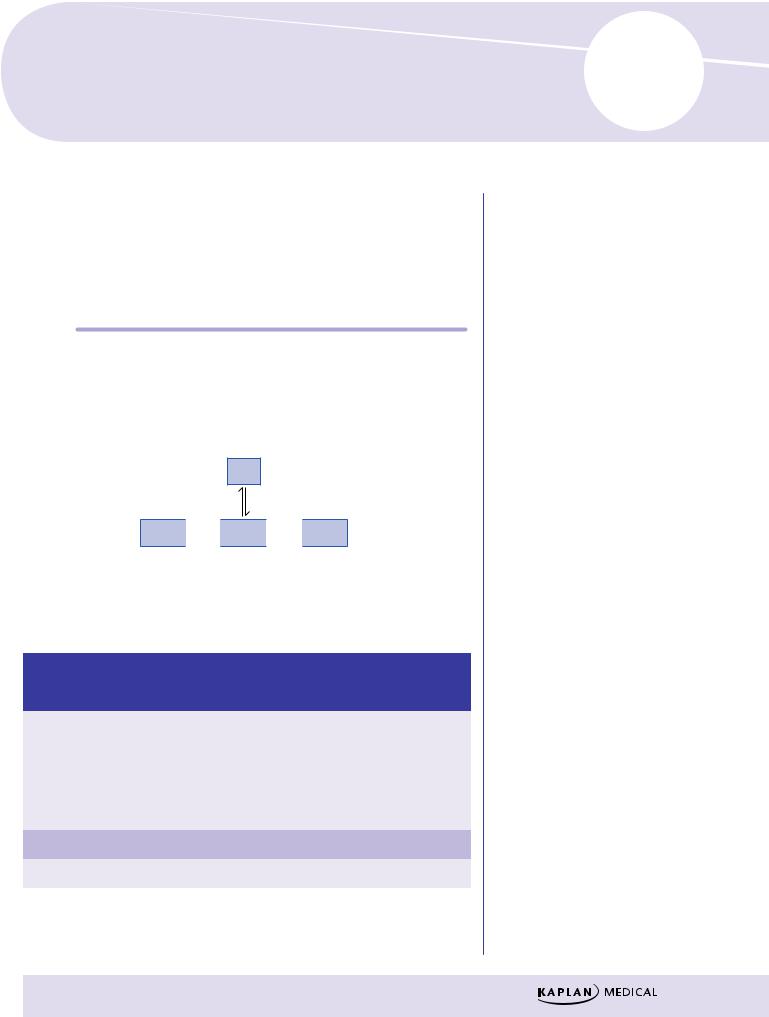
Inhaled Anesthetics
Fat
Lungs 

 Blood
Blood 

 CNS
CNS
Figure IV-6-1. Compartmentalization of Anesthetics in the Body
Table IV-6-1. Properties of Specific Inhaled Anesthetics
Anesthetic |
|
MAC |
|
Blood– |
|
CV Effects |
|
Specific |
|
|
Value |
|
Gas |
|
|
|
Characteristics |
|
|
|
|
Ratio |
|
|
|
|
Nitrous |
104% |
0.5 |
|
Minimal |
|
Rapid onset and |
||
oxide |
|
|
|
|
|
|
|
recovery, |
|
|
|
|
|
|
|
|
no metabolism |
|
|
|
|
|
|
|
|
Diffusional hypoxia |
|
|
|
|
|
|
|
|
Spontaneous |
|
|
|
|
|
|
|
|
abortions |
Sevoflurane |
2% |
0.6 |
|
Minimal |
|
|
||
Desflurane |
6% |
0.5 |
Minimal |
|
|
|||
Other halogenated “fluranes,” e.g., desflurane, sevoflurane, etc
153