Материал: 2016_Kaplan_USMLE_Step_1_Lecture_Notes_Pharmacology
Section III λ Cardiac and Renal Pharmacology
Clinical Correlate
Osmotic diuretics are contraindicated in CHF and pulmonary edema because they draw water from the cells and increase the filling pressures of the heart.
Hypokalemia and Alkalosis
Diuretics that block Na+ reabsorption at segments above the collecting ducts will increase sodium load to the collecting tubules and ducts (“downstream”). This results in increased loss of K+ → hypokalemia, and in the case of both loop and thiazide diuretics the associated loss of H+ results in alkalosis.
OSMOTIC DIURETICS
λMannitol (IV) inhibits water reabsorption throughout the tubule.
λIt increases urine volume.
λUses:
−↓ IOP in glaucoma
−↓ intracerebral pressure
−Oliguric states (e.g., rhabdomyolysis)
λSide effects: acute hypovolemia
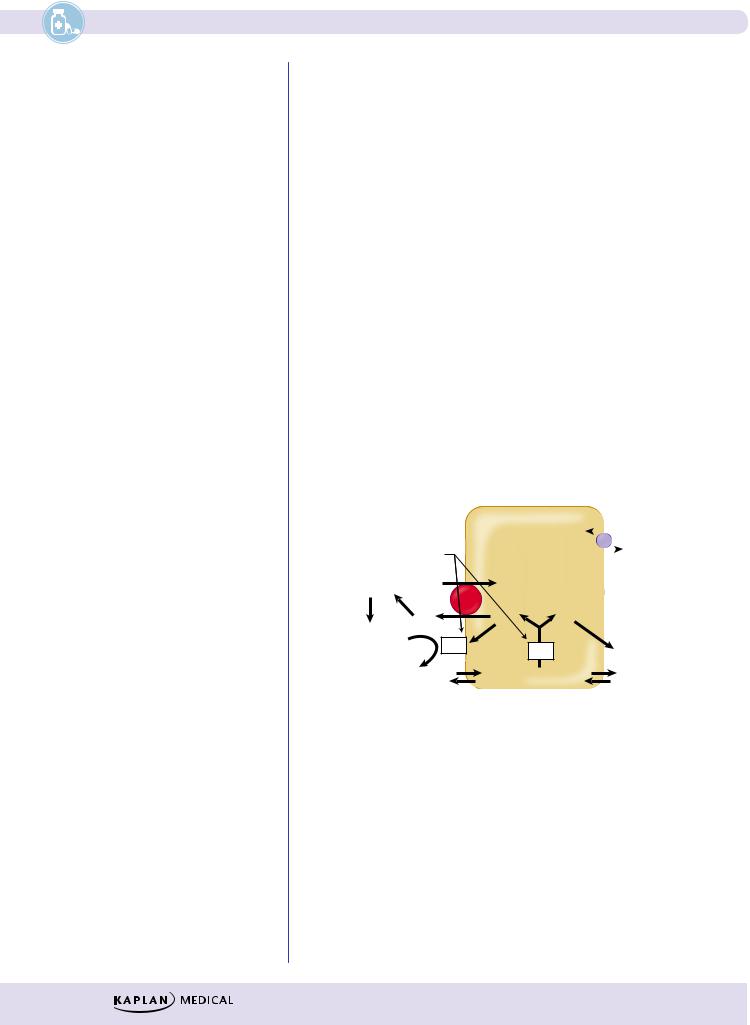
CARBONIC ANHYDRASE INHIBITORS
Luminal |
Basolateral |
membrane |
membrane |
|
Proximal tubule |
||
Acetazolamide |
K+ |
|
Na+ |
|
|||
|
|
||
|
|
|
|
HCO3– |
Na+ |
Na+ |
|
|
+ |
H+ |
HCO3– |
|
H+ |
||
H2CO3 |
|
|
|
CA |
|
HCO3– |
|
|
CA |
||
CO2 + H2O |
CO2 + H2O |
CO2 + H2O |
|
Figure III-1-2. Actions of Carbonic Anhydrase Inhibitors
λDrugs: acetazolamide and dorzolamide
λMechanism: carbonic anhydrase inhibition, results in:
−↓ H+ formation inside PCT cell
−↓ Na+/H+ antiport
−↑ Na+ and HCO3− in lumen
−↑ diuresis
λUses:
−Glaucoma
−Acute mountain sickness
−Metabolic alkalosis
84
Chapter 1 λ Diuretics
λSide effects:
−Bicarbonaturia and acidosis
−Hypokalemia
−Hyperchloremia
−Paresthesias
−Renal stones
– Sulfonamide hypersensitivity
LOOP DIURETICS
Luminal |
Basolateral |
Membrane |
Membrane |
Thick Ascending Loop
K+
2 Cl– |
Cl– |
Na+ |
Na+ |
||
Na+, K+ |
K+Na+ |
Cl– |
loops |
|
|
(+)potential |
|
|
Mg2+, Ca2+ |
|
|
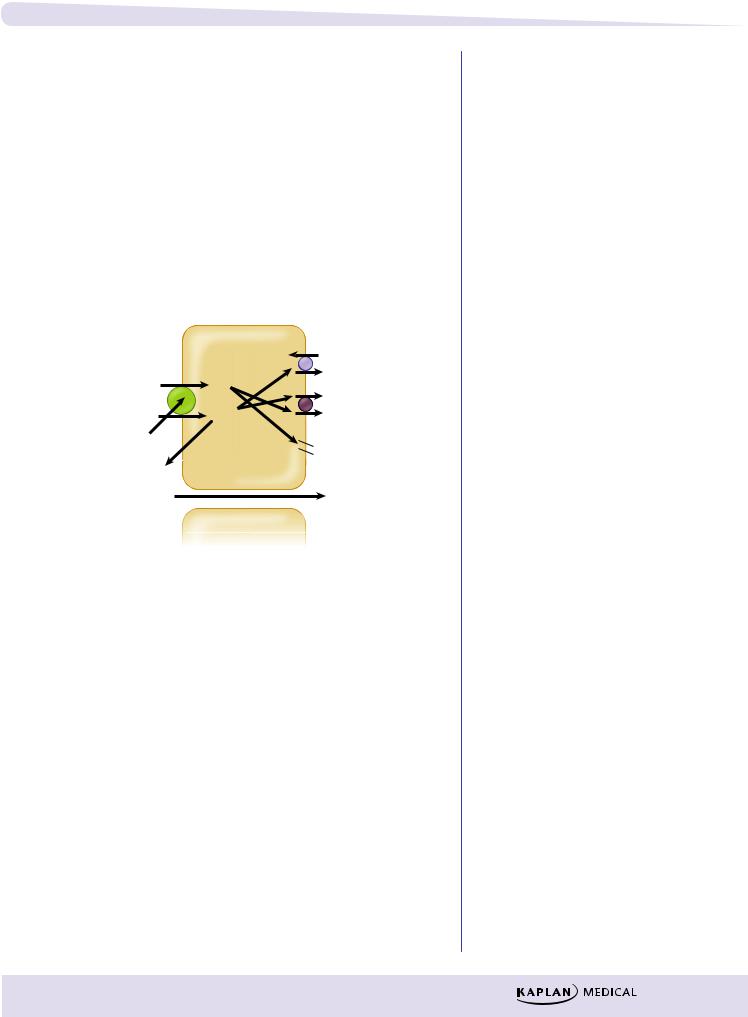
Figure III-1-3. Actions of Loop Diuretics on the Thick Ascending Loop (TAL)
λDrugs: furosemide, torsemide, and ethacrynic acid
λMechanism: Na+/K+/2Cl− transporter inhibition, results in:
−↓ intracellular K+ in TAL
−↓ back diffusion of K+
−↓ positive potential
−↓ reabsorption of Ca2+ and Mg2+
−↑ diuresis
λUses:
−Acute pulmonary edema
−Heart failure
−Hypertension
−Refractory edemas
−Anion overdose
−Hypercalcemic states
Note
Allergies to SulfonamideContaining Drugs
Cross allergenicity with:
λCarbonic anhydrase inhibitors
λAll loop diuretics, except ethacrynic acid
λThiazides
λSulfa antibiotics
λCelecoxib
85
Section III λ Cardiac and Renal Pharmacology
λSide effects:
−Sulfonamide hypersensitivity (furosemide)
−Hypokalemia and alkalosis
−Hypocalcemia
−Hypomagnesemia
−Hyperuricemia (actively secreted by the OAT)
−Ototoxicity (ethacrynic acid > furosemide)
λDrug interactions
−Aminoglycosides (enhanced ototoxicity)
−Lithium (chronic loop administration, ↓ clearance)
−Digoxin (↑ toxicity due to electrolyte disturbances)
Clinical Correlate
An important difference between loops and thiazides is that loops promote calcium excretion, while thiazides decrease calcium excretion.
Clinical Correlate
Thiazides also hyperpolarize both smooth muscle cells (vasodilation) and pancreatic beta cells (decrease insulin release)
THIAZIDES
Luminal |
Basolateral |
|||||
membrane |
membrane |
|||||
|
|
|
Distal tubule |
|||
Thiazides |
K+ |
|
|
|||
Na+ |
|
|
|
|
Na+ |
|
|
|
|
|
|
||
Cl– |
|
|
Cl- |
|||
|
||||||
Ca2+ |
Na+ |
Ca2+ |
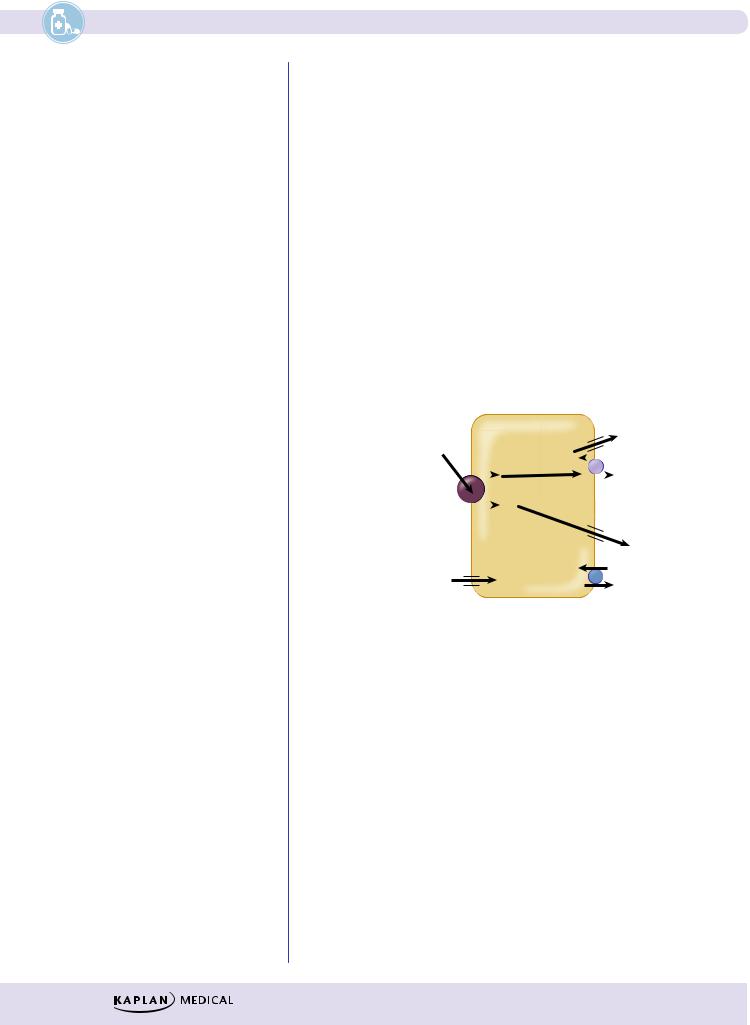
Figure III-1-4. Actions of Thiazides on the
Distal Convoluted Tubule (DCT)
λDrugs: hydrochlorothiazide, chlorthalidone, and indapamide
λMechanism: Na+/Cl− transporter inhibition, results in:
−↑ luminal Na+ and Cl− in DCT
−↑ diuresis
λUses:
−Hypertension, CHF
−Nephrolithiasis (calcium stones)
−Nephrogenic diabetes insipidus
λSide effects:
−Sulfonamide hypersensitivity
−Hypokalemia and alkalosis
−Hypercalcemia
−Hyperuricemia (actively secreted by the OAT)
86
Chapter 1 λ Diuretics
−Hyperglycemia
−Hyperlipidemia (except indapamide)
λDrug interactions and cautions:
−Digoxin (↑ toxicity due to electrolyte disturbances)
−Avoid in patients with diabetes mellitus
K+-SPARING AGENTS
Luminal |
Basolateral |
membrane |
membrane |
Collecting duct
Principal cell
Na+ |
|
|
Aldosterone |
|
AR |
|
|
K+ or H+ |
Na+ |
|
|
|
K+ |
|
|
K+ |
|
Na+ |
|
|
|
||
Cl– |
|
|
|
H+ |
H+ + HCO3– Cl– |
HCO–3 |
|
|
|
CA |
|
|
CO |
H2O |
|
|
Intercalated cell |
|
|
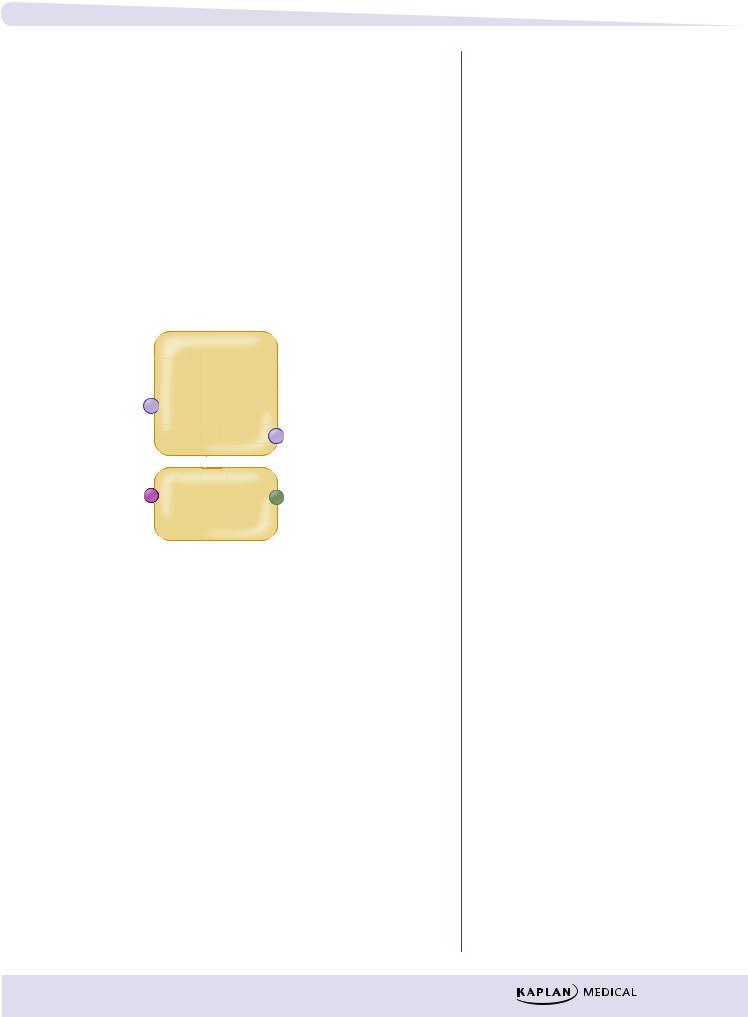
Figure III-1-5. Actions of Potassium-Sparing
Agents on Collecting Tubules
λDrugs:
− Spironolactone: aldosterone-receptor antagonist º Uses:
Hyperaldosteronic state Adjunct to K+-wasting diuretics
Antiandrogenic uses (female hirsutism) Congestive heart failure
º Side effects:
Hyperkalemia and acidosis Antiandrogen
−Amiloride and triamterene: Na+-channel blockers
ºUse: adjunct to K+-wasting diuretics, lithium-induced nephrogenic diabetes insipidus (amiloride)
ºSide effects: hyperkalemia and acidosis
Clinical Correlate
Combining K+-sparing diuretics with
ACEIs or ARBs may cause hyperkalemia.
Note
Eplerenone is a selective aldosterone receptor blocker devoid of antiandrogenic effect.
87

Section III λ Cardiac and Renal Pharmacology
Table III-1-1. Summary of the Modes of Action and Effects of the Various
Classes of Diuretics
Drug |
|
Mechanisms of |
|
Urinary |
|
Blood pH |
|||
|
|
Action |
|
|
|
Electrolytes |
|
|
|
Acetazolamide |
|
Inhibition of carbonic |
|
↑ Na+ |
|
Acidosis |
|||
|
|
anhydrase in PCT |
|
↑ K+ |
|
|
|||
|
|
|
|
|
|
|
↑↑ HCO3– |
|
|
Ethacrynic acid, |
|
Inhibition of |
|
↑↑ Na+ |
|
Alkalosis |
|||
furosemide, |
+ |
+ |
/2Cl |
– |
|
↑ K+ |
|
|
|
torsemide |
|
Na |
/K |
|
|
|
|
||
|
cotransporter in TAL |
|
↑ Ca2+ |
|
|
||||
|
|
|
|
|
|
|
|
|
|
|
|
|
|
|
|
|
↑ Mg2+ |
|
|
|
|
|
|
|
|
|
↑ Cl– |
|
|
Hydrochlorothiazide, |
|
Inhibition of Na+/Cl– |
|
↑ Na+ |
|
Alkalosis |
|||
indapamide, |
|
cotransporter in DCT |
|
↑ K+ |
|
|
|||
chlorthalidone |
|
|
|
|
|||||
|
|
|
|
|
|
↑ Cl– |
|
|
|
|
|
|
|
|
|
|
|
|
|
|
|
|
|
|
|
|
↓ Ca2+ |
|
|
Amiloride, |
|
Block Na+ channels, |
|
↑ Na+ (small) |
|
Acidosis |
|||
triamterene, |
|
block aldosterone |
|
↓ K+ |
|
|
|||
spironolactone, |
|
receptors in |
|
|
|
|
|||
eplerenone |
|
collecting tubule |
|
|
|
|
|||
88