Материал: Числовые и редакционные формы взаимного влияния в языке и культуре. Ю. М. Шулешко, И. В. Иванова

|
|
|
|
|
|
|
|
|
|
|
|
я |
« |
|
« |
|
» |
|
|
1 |
|
|
|
|
|
|
|
|
|
|
|
|
|
|
|
|
|
|
|
||||
|
К - |
|
С |
|
|
е |
|
|
|
|
С |
е |
|
|
|
|
|
|
Ве |
||
|
е |
|
|
|
|
|
|
|
|
|
|
|
|
|
|
|
|
|
|
|
|
|
K1 |
|
|
|
|
|
|
- |
|
|
|
|
( / |
) |
|
|
|
|
|
9 |
|
|
|
|
|
|
|
|
|
|
|
|
|
|
|
|
|
|
|
|
|||
|
K2 |
|
|
|
|
|
|
|
|
) |
|
|
|
|
|
( |
/ |
|
|
|
4 |
|
|
|
|
|
|
|
|
|
|
|
|
|
|
|
|
|
|
|
|
|
|
|
K3 |
|
|
|
|
|
|
|
|
|
|
, |
|
|
|
5- |
|
|
|
10 |
|
|
|
|
|
|
|
|
|
|
|
|
|
|
|
|
|
|
|
|
|
|
|
|
K4 |
|
|
|
|
|
|
|
|
|
|
, |
, |
|
|
|
|
|
|
|
6 |
|
|
|
|
|
|
|
|
|
|
10- |
|
|
|
|
|
|
|
|
|
|
|
|
K5 |
|
|
|
|
|
|
|
|
2 |
; |
|
– 3 |
; |
, |
3- |
|
– |
|
3 |
|
|
|
|
|
|
|
|
|
|
|
|
5- |
|
– 1 |
|
– 0 |
|
|
||||
|
|
|
|
|
|
|
|
|
|
|
. |
|
|
|
|
|
|
|
|
|
|
|
K6 |
|
|
|
|
|
|
|
|
|
|
|
|
|
|
|
, |
|
|
|
8 |
|
|
|
|
|
|
|
|
|
|
|
|
|
|
|
|
|
|
|
|
|
|
|
K7 |
( |
|
) |
|
|
|
|
|
|
|
, |
|
|
, |
|
30- |
|
|
|
9 |
|
|
|
|
|
|
|
|
|
|
|
|
|
|
|
|
|
|||||
|
|
|
|
|
|
|
|
|
|
|
|
|
|
|
|
|
|
|
|
|
|
|
K8 |
|
|
|
|
|
|
|
|
|
|
, |
|
|
, |
|
25- |
|
|
|
7 |
|
|
|
|
|
|
|
|
|
|
|
|
|
|
|
|
|
|
|
|||
|
|
|
|
|
|
|
|
|
|
|
|
|
|
|
|
|
|
|
|
|
|
|
K9 |
|
- |
|
|
|
|
|
|
|
|
|
|
|
|
, |
|
|
|
|
8 |
|
|
|
|
|
|
|
|
|
|
|
|
|
10- |
|
|
|
|
|
|
||
|
|
|
|
|
|
|
|
|
|
|
|
|
|
|
|
|
|
|
|
||
|
|
|
|
|
|
|
|
|
|
|
|
|
я |
« |
« |
» |
2 |
||||
|
|
|
|
|
|
|
|
|
|
|
|
|
|
|
|||||||
|
|
|
|
|
|
|
|
|
|
|
|
|
|
|
|
|
|
|
|
|
|
|
Аi |
|
|
|
|
|
|
|
|
|
|
Kj |
|
|
|
|
|
|
|
||
|
К1 |
|
К2 |
|
К3 |
|
|
К4 |
К5 |
К6 |
|
К7 |
|
К8 |
|
|
К9 |
||||
|
|
|
|
|
|
|
|
А |
е |
е |
|
|
|
|
|
|
|
|
|
||
|
А1 |
1 |
|
1 |
|
3 |
|
4 |
|
0 |
0,095 |
|
19 |
|
19 |
|
|
9 |
|||
|
А2 |
0 |
|
0 |
|
3 |
|
9 |
|
2 |
0,096 |
|
27 |
|
16 |
|
|
7 |
|||
|
А3 |
0 |
|
1 |
|
4 |
|
7 |
|
1 |
0,105 |
|
28 |
|
25 |
|
|
8 |
|||
|
А4 |
1 |
|
1 |
|
5 |
|
10 |
|
3 |
0,016 |
|
22 |
|
23 |
|
|
7 |
|||
|
А5 |
0 |
|
1 |
|
5 |
|
9 |
|
0 |
0,003 |
|
24 |
|
21 |
|
|
8 |
|||
|
А6 |
0 |
|
0 |
|
5 |
|
10 |
|
3 |
0,017 |
|
21 |
|
18 |
|
|
7 |
|||
|
А7 |
0 |
|
1 |
|
4 |
|
8 |
|
1 |
0,006 |
|
28 |
|
17 |
|
|
6 |
|||
|
А8 |
0 |
|
1 |
|
4 |
|
10 |
|
2 |
0,058 |
|
29 |
|
18 |
|
|
9 |
|||
|
|
|
|
|
|
|
|
|
|
|
е |
е |
|
|
|
|
|
|
|
|
|
|
А1 |
0 |
|
1 |
|
0 |
|
0 |
|
0 |
0,098 |
|
0 |
|
0,333 |
|
|
1 |
|||
|
А2 |
1 |
|
0 |
|
0 |
|
0,833 |
0,667 |
0,088 |
|
0,8 |
|
0 |
|
0,333 |
|||||
|
А3 |
1 |
|
1 |
|
0,5 |
|
0,5 |
0,333 |
0 |
|
0,9 |
|
1 |
|
0,667 |
|||||
|
А4 |
0 |
|
1 |
|
1 |
|
1 |
1,000 |
0,873 |
|
0,3 |
|
0,778 |
|
0,333 |
|||||
|
А5 |
1 |
|
1 |
|
1 |
|
0,833 |
|
0 |
1 |
|
0,5 |
|
0,556 |
|
0,667 |
||||
|
А6 |
1 |
|
0 |
|
1 |
|
1 |
|
1 |
0,863 |
|
0,2 |
|
0,222 |
|
0,333 |
||||
|
А7 |
1 |
|
1 |
|
0,5 |
|
0,667 |
0,333 |
0,971 |
|
0,9 |
|
0,111 |
|
|
0 |
||||
|
А8 |
1 |
|
1 |
|
0,5 |
|
1 |
0,667 |
0,461 |
|
1 |
|
0,222 |
|
|
1 |
||||
|
|
|
|
|
|
|
|
60 |
|
|
|
|
|
|
|
|
|
|
|
||
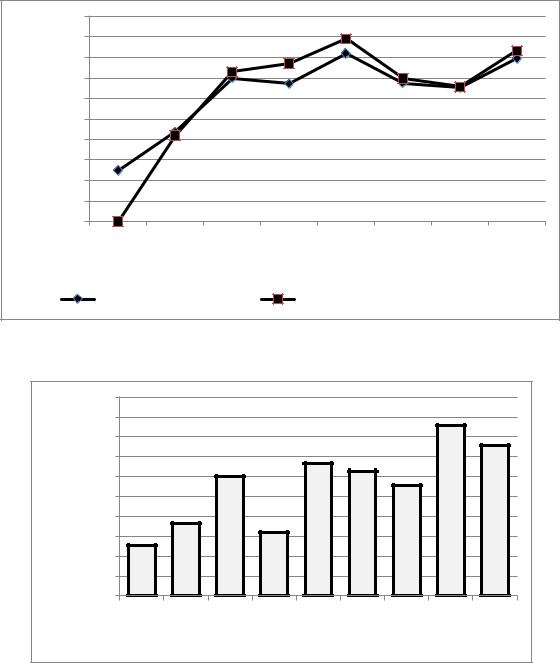
|
, |
|
, |
|
|
|
|
|
, |
|
. |
2. |
, |
|
» |
|
|
|
|
|
K8: |
« |
|
|
|
|
|
|
, |
|
|
|
|
|
. |
|
|
|
|
|
|
|
|
|
|
|
|
|
|
|
|
|
|
|
|
|
0,200 |
|
|
|
|
|
|
|
|
|
|
0,180 |
|
|
|
|
|
|
|
|
|
|
0,160 |
|
|
|
|
|
|
|
|
|
|
0,140 |
|
|
|
|
|
|
|
|
|
|
0,120 |
|
|
|
|
|
|
|
|
|
|
0,100 |
|
|
|
|
|
|
|
|
|
|
0,080 |
|
|
|
|
|
|
|
|
|
|
0,060 |
|
|
|
|
|
|
|
|
|
|
0,040 |
|
|
|
|
|
|
|
|
|
|
0,020 |
|
|
|
|
|
|
|
|
|
|
0,000 |
|
|
|
|
|
|
|
|
|
|
1 |
2 |
3 |
4 |
5 |
6 |
7 |
8 |
|
. 1. |
|
|
я |
|
|
|
|
« |
« |
» |
0,200 |
|
|
|
|
|
|
|
0,171 |
|
0,180 |
|
|
|
|
|
|
|
|
|
|
|
|
|
|
|
|
|
0,151 |
|
0,160 |
|
|
|
|
|
|
|
|
|
|
|
|
|
0,133 |
|
|
|
|
|
0,140 |
|
|
0,120 |
|
0,126 |
|
|
|
|
|
|
|
|
|
|
0,111 |
|
|
|
0,120 |
|
|
|
|
|
|
|
|
|
|
|
|
|
|
|
|
|
|
|
0,100 |
|
0,073 |
|
|
|
|
|
|
|
0,080 |
|
|
0,064 |
|
|
|
|
|
|
0,051 |
|
|
|
|
|
|
|
||
0,060 |
|
|
|
|
|
|
|
|
|
0,040 |
|
|
|
|
|
|
|
|
|
0,020 |
|
|
|
|
|
|
|
|
|
0,000 |
1 |
2 |
3 |
4 |
5 |
6 |
7 |
8 |
9 |
|
. 2. |
я |
я |
, |
|
. |
, |
|
|
|
. |
|
|
|
61 |
– |
|
, |
|
, |
|
|
|
, |
|
, |
|
. |
. |
||
, |
|
. |
|
|
|||
|
|
|
|
|
|
||
|
, |
, |
, |
|
|
|
|
, |
|
|
|
. |
|
|
|
|
|
, |
, |
. |
|
|
|
|
|
. |
|
, |
|
|
|
|
|
|
|
|
|
|
|
, |
|
|
|
, |
, |
|
|
, |
, |
|
|
, |
|
|
|
|
. |
|
|
|
|
|
|
|
, |
, |
|
, |
|
|
|
|
. |
|
|
|
|
||
|
|
|
|
|
|
|
|
|
|
. |
|
|
|
|
|
- |
|
|
|
|
|
|
|
, |
|
|
|
. |
|
- |
|
. |
|
|
|
, |
|
|
|
|
|
, |
|
|
|
||
, |
|
|
, |
, |
|||
|
, |
|
|||||
|
|
|
|
|
|
||
, |
|
. |
|
|
|
|
|
, |
|
|
|
. |
, |
|
|
|
|
|
|
|
|
|
|
|
|
, |
, |
|
. |
||
, |
, |
|
|
|
|
|
|
|
|
, |
, |
, |
|||
|
|
, |
|||||
|
, |
, |
, |
|
- |
||
|
, |
|
( |
), |
|||
, |
|
, |
|
|
|
. |
|
|
, |
, |
, |
|
|
||
, |
|
|
|
|
|||
|
. |
|
|
|
|
||
, |
|
, |
|
|
|
|
|
|
|
. |
|
|
, |
||
|
|
|
|
|
|
||
. |
|
|
|
|
|
|
|
62

1. |
. . |
|
|
: |
|
/ . . |
|
, . . |
. - |
|
|
|
|
|
, 2017. - № 1 |
(20). - . 73-75. |
. . |
|
|
|
|
. |
|
2. |
|
|
|
|
|
||
, |
|
|
|
" |
" |
|
|
/ |
. . |
, . . |
; |
|
" |
|
, |
|
". — |
, 2009. ( |
. 2- , |
|
.). — 156 . |
|
|
3. |
. . |
|
|
|
: |
. |
/ . . |
, . . |
. - |
: |
« |
|
|
|
, |
», 2016 .- 144 . |
|
|
|
|
|
|
|
4. |
. . |
|
|
|
|
|
, |
|
|
|
|
|
|
|
/ . . |
, . . |
, . . |
. − |
|
|
, № 5, 2015. - |
. 58-66. |
|
5.Rasch G. Probabilistic Models for Some Intelligence and Attainment Tests / G. Rasch.- Copenhagen, Denmark: Danish Institute for Educational Research, 1960. - 160 p.
6.Andrich, D. Rasch Models for Development / D. Andrich.- London, Sage Publications,
inc., 1988. - 94p. |
. . |
|
|
|
|
|
|
. |
|
|
7. |
|
|
|
|
|
|
||
|
/ . . |
, . . |
|
. – |
: |
Ц « |
|
», 2016. – 177 . |
|
|
8. |
. . |
|
|
|
|
, |
|
|
|
|
/ |
|
. . // |
|
|
|
|
. |
|
- |
. № 2.1 (16), 2015.- |
. 166-172 |
|
|
|
|||
|
9. |
. . |
|
|
, |
|
|
|
|
|
|
/ . . |
|
, . . |
// |
|
|
|
|
|
. – 2015. - №2.3 (16). - C. 368-375 |
|
|
|
|
|
|||
|
10. |
. . |
|
|
|
|
|
|
, |
|
|
|
|
|
/ . . |
|
, . |
. |
, . . |
|
, . . |
— |
|
|
|
|
|
. № 1.1 (23), 2017. |
|
— . 140-150. |
. . |
|
|
|
|
|
|
|
|
|
11. |
|
|
|
/ |
. . |
, . . |
, |
|
|
|
|
|
|
|
||||
. . |
, . . |
. - |
і |
і |
, і |
, |
і |
. 2017. № 1. . 42- |
|
50. |
|
|
|
|
|
|
|
|
|
MODEL THE USE OF A CRITERIA-BASED APPROACH FOR ASSESSING
THE LABOUR EFFECTIVENESS
S.I. Moiseev, E.V. Karpova
Moiseev Sergey Igorevich, Voronezh State Technical University, Candidate of Physical and Mathematical Sciences, Associate Professor, Associate Professor at the Department of Construction Management
Russia, Voronezh, e-mail: mail@moiseevs.ru, tel.: +7-920-229-92-81
Karpova Elena Vyacheslavovna, Russian Economic University named after G.V. Plekhanov (Voronezh branch), graduate student,
Russia, Voronezh, e-mail: gross.2010@mail.ru, tel .: + 7-473-2-52-46-31
63
Abstract. The article presents approaches to the evaluation of labor efficiency, based on criterial estimation. Mathematical models for assessing the competence of workers are proposed. Methods for the formation of criteria and their application in the assessment of the example of a construction organization are considered.
Keywords: labor efficiency, criteria, competence assessment, personnel monitoring, latent variables.
References
1.Ushakova, Yu.V. Trends in personnel policy: challenges and modernity [Tendentsii kadrovoy politiki: vyzovy i sovremennost']. Yu.V. Ushakova, E.V. Karpov. Vestnik Voronezhskogo instituta vysokikh tekhnologiy. 2017. N. 1 (20). P. 73-75.
2.Moiseev, S.I. Mathematical methods and models in the economy. Textbook for students studying in the field of "Economics" and economic specialties [Matematicheskiye metody i modeli v ekonomike. Uchebnoye posobiye dlya studentov, obuchayushchikhsya po napravleniyu "Ekonomika" i ekonomicheskim spetsial'nostyam]. S.I. Moiseev, A.V. Obukhovsky. AONO VPO "Institut menedzhmenta, marketinga i finansov". Voronezh. 2009. 156 p.
3.Moiseev, S.I. Methods for making optimal decisions: Textbook [Metody prinyatiya
optimal'nykh resheniy: uchebnoye posobiye]. S.I. Moiseev, A.A. Zaitsev. Voronezh: AONO VO
«InsЭТЭЮЭ mОnОНгСmОnЭК, mКrkОЭТnРК Т ПТnКnsov». 2016 . 144 p.
4.Maslak, A.A. Comparative analysis of the estimates of the parameters of the Rasch model obtained by the maximum likelihood and least squares methods [Sravnitel'nyy analiz otsenok parametrov modeli Rasha, poluchennykh metodami maksimal'nogo pravdopodobiya i naimen'shikh kvadratov]. A.A. Maslak, S.I. Moiseev, S.A. Osipov, Problemy upravleniya. N 5. 2015. P. 58-66.
5.Rasch, G. Probabilistic Models for Some Intelligence and Attainment Tests. G. Rasch. Copenhagen, Denmark: Danish Institute for Educational Research. 1960. 160 p.
6.Andrich, D. Rasch Models for Development. D. Andrich. London, Sage Publications, inc., 1988. 94 p.
7.Maslak, A.A. The Rasch model of estimation of latent variables and its properties.
Monograp. [Model' Rasha otsenki latentnykh peremennykh i yeye svoystva. Monografiya]. A.A. Maslak, S.I. Moiseev. VoronОгС: NPTS «NКЮМСnКвК knТРК». 2016. 177 p.
8.Moiseev, S.I. Rasch model for estimating latent variables, based on the least squares method [Model' Rasha otsenki latentnykh peremennykh, osnovannaya na metode naimen'shikh kvadratov]. Moiseev S. I. Ekonomika i menedzhment sistem upravleniya. Nauchno-prakticheskiy zhurnal. N 2.1 (16). 2015.- P. 166-172
9.Moiseev, S. I. Methods of decision-making based on the Rasch model of latent variables estimation [Metody prinyatiya resheniy, osnovannyye na modeli Rasha otsenki latentnykh peremennykh]. S.I. Moiseev, A. Yu. Zenin. Ekonomika i menedzhment sistem upravleniya. 2015. N 2.3 (16). P. 368-375
10.Barkalov, S. A. The model for assessing the professional suitability of employees, based on the theory of latent variables [ Model' otsenivaniya professional'noy prigodnosti rabotnikov,
osnovannaya na teorii latentnykh peremennykh]/ S. . Barkalov, N. Yu. Kalinin, S. I. Moiseev, .
V.Nasonova. Ekonomika i menedzhment sistem upravleniya. N. 1.1 (23). 2017. P. 140-150.
11.Maslak, A. A. Investigation of the accuracy of measurement of the latent variable depending on the range of variation of the set of indicators [Issledovaniye tochnosti izmereniya
latentnoy peremennoy v zavisimosti ot diapazona var'irovaniya nabora indikatorov] A. A. Maslak, S. I. Moiseev, S. A. Osipov, S. A. Pozdnyakov. RКНъoвОlОkЭronъkК, ъnПormКЭТkК, ЮprКvlъnnвК. 2017.
N. 1. P. 42 – 50.
64