Материал: 2019 ESC - supraventricular tachycardia

36 |
ESC Guidelines |
•Antidromic AVRT due to an atriofascicular pathway usually produces a horizontal or superior QRS axis, but a normal axis may also occur, depending on the way of insertion into the right bundle and fusion over the left anterior fascicle.
•Right bundle electrogram preceding His bundle activation during anterograde pre-excitation and SVT.
Mapping identifies the proximal and distal insertion of accessory fibres, and demonstrates pathway potentials in most cases that then guide ablation.409,411 Catheter ablation is associated with a high success rate and low recurrence rates, and is therefore recommended for all patients with recurrent symptomatic tachycardia, and especially incessant tachycardias due to concealed nodofascicular or nodoventricular pathways.418 Preventive ablation for prognostic reasons is not routinely recommended, not even in patients with preexcitation or BBB in the surface ECG, as fast conduction via the AP is unlikely due to decremental conduction properties.
11.3.10 Therapy
11.3.10.1 Acute therapy
Adenosine should be used with caution for the treatment of AVRT because of potential induction of fast AF.119,120,272 AF with fast ventricular
.
.
.
.
.
.
.
.
.
.
.
.
.
.
.
.
.
.
.
.
.
.
.
.
.
.
.
.
.
.
.
.
.
.
.
.
.
.
.
.
.
.
.
.
.
.
.
.
.
.
.
.
.
.
.
.
.
.
.
.
.
.
.
.
.
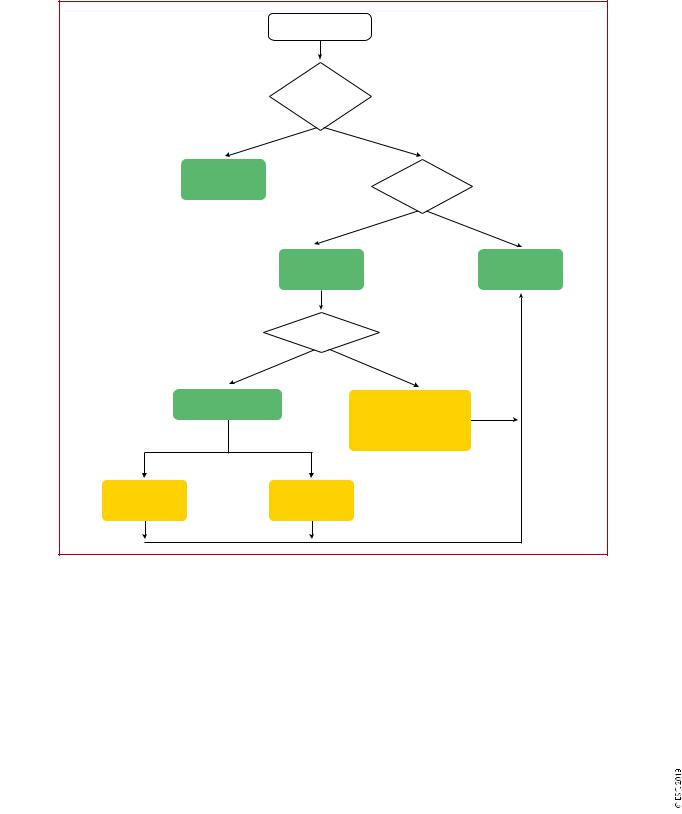
conduction could also induce ventricular fibrillation, therefore electrical cardioversion should always be available. During orthodromic and antidromic AVRT, drug therapy could be directed at one of the components of the circuit, the AVN (beta-blockers, diltiazem, verapamil, or etripamil),100,129,419,420 or the AP (ibutilide, procainamide, propafenone, or flecainide)421,422 (Figure 19). Antidromic AVRT is associated with malignant WPW syndrome due to a very fast-conducting AP,403 and drugs acting mainly on the AP should be preferred. In addition, in case of antidromic AVRT with APs representing both the anterograde and retrograde limb, drugs acting on the AVN are ineffective. In drug-refractory antidromic AVRT, amiodarone may also be considered.423 425
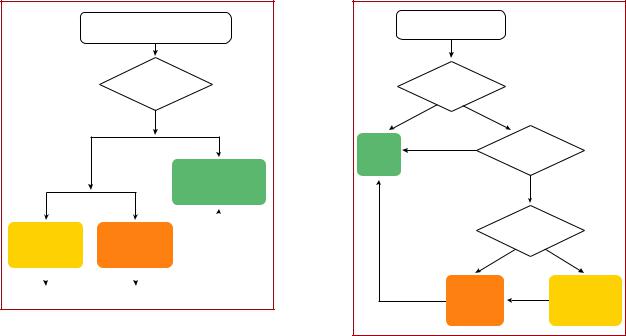
In patients presenting with pre-excited AF, urgent cardioversion is usually required and the threshold for the use of electrical cardioversion is lower. Conduction of electrical impulses can occur preferentially via the AP due to its shorter RP compared with the AVN.426 Accordingly, any AVN-modulating agents (adenosine, verapamil, diltiazem, beta-blockers, or digoxin) should be avoided in pre-excited AF as they may contribute to a risk of ventricular fibrillation.427,428 Pharmacological cardioversion of pre-excited AF or delayed AP conduction can be achieved with ibutilide (Figure 20).421 Drugs such as procainamide, propafenone, or flecainide, which affect conduction
Recommendations for the therapy of atrioventricular re-entrant tachycardia due to manifest or concealed accessory pathways
|
Recommendation |
Classa |
Levelb |
|
|
Acute therapy |
|
|
|
|
|
|
|
|
|
Haemodynamically unstable patients |
|
|
|
|
Synchronized DC cardioversion is recommended for haemodynamically unstable patients.86 88 |
I |
B |
|
|
Haemodynamically stable patients |
|
|
|
|
Vagal manoeuvres, preferably in the supine position with leg elevation, are recommended.41,89 91 |
I |
B |
|
|
In orthodromic AVRT, adenosine (6 18 mg i.v. bolus) is recommended if vagal manoeuvres fail and the tachycardia is |
I |
B |
|
|
orthodromic.92 94 |
|
|
|
|
In orthodromic AVRT, i.v. verapamil or diltiazem should be considered if vagal manoeuvres and adenosine fail.92,94 98 |
IIa |
B |
|
|
In orthodromic AVRT, i.v. beta-blockers (esmolol or metoprolol) should be considered in the absence of decompensated HF, if |
IIa |
C |
|
|
vagal manoeuvres and adenosine fail.97,99,100 |
|
||
|
|
|
|
|
|
In antidromic AVRT, i.v. ibutilide or procainamide or i.v. flecainide or profanenone or synchronized DC cardioversion should be |
IIa |
B |
|
|
considered if vagal manoeuvres and adenosine fail.421,422,429,437 |
|
||
|
|
|
|
|
|
In antidromic AVRT, i.v. amiodarone may be considered in refractory cases.423 425,435 |
IIb |
B |
|
|
Synchronized DC cardioversion is recommended when drug therapy fails to convert or control the tachycardia.87,88 |
I |
B |
|
|
Chronic therapy |
|
|
|
|
Catheter ablation of AP(s) is recommended in patients with symptomatic, recurrent AVRT.391 393,438 441 |
I |
B |
|
|
Beta-blockers or non-dihydropyridine calcium-channel blockers (verapamil or diltiazem in the absence of HFrEF) should be consid- |
IIa |
B |
|
|
ered if no signs of pre-excitation are present on resting ECG, if ablation is not desirable or feasible.340,341,442,443 |
|
||
|
|
|
|
|
|
Propafenone or flecainide may be considered in patients with AVRT and without ischaemic or structural heart disease, if ablation |
IIb |
B |
|
|
is not desirable or feasible.429,444,445 |
|
||
|
|
|
|
|
|
Digoxin, beta-blockers, diltiazem, verapamil, and amiodarone are not recommended and are potentially harmful in patients with |
III |
B |
|
|
pre-excited AF.427,428,432 434,446 |
|
||
|
|
|
|
i.v. verapamil and diltiazem are contraindicated in the presence of hypotension or HFrEF. i.v. beta-blockers are contraindicated in the presence of decompensated heart failure. i.v. ibutilide is contraindicated in patients with prolonged QTc interval.
i.v. procainamide prolongs the QTc interval but much less than class III agents.
i.v. flecainide and propafenone are contraindicated in patients with ischaemic or structural heart disease. They also prolong the QTc interval but much less than class III agents. i.v. amiodarone prolongs the QTc but torsades des pointes is rare.
AF = atrial fibrillation; AP = accessory pathway; AVRT = atrioventricular re-entrant tachycardia; DC = direct-current; ECG = electrocardiogram; HFrEF = heart failure with reduced ejection fraction; i.v. = intravenous.
aClass of recommendation. bLevel of evidence.
2019 September 13 on guest by 1093/eurheartj/ehz467/5556821.abstract/doi/10-article-com/eurheartj/advance.oup.https://academic from Downloaded
ESC Guidelines |
37 |
|
|
AVRT
|
Patient out |
|
of hospital |
Yes |
No |
Vagal |
|
manoeuvres |
Haemodynamic |
(I B) |
instability |
|
No |
|
Vagal |
|
manoeuvres |
|
(I B) |
i.v. adenosine (I B)
If ineffective
If ineffective
Orthodromic
Yes |
No |
i.v. ibutilide or procainamide
or i.v. propafenone or flecainide or synchronized, cardioversion
(IIa B)
i.v. verapamil or diltiazem
i.v. beta-blocker
(IIa B)
(IIa C)
If ineffective
Yes
Synchronized cardioversion
(I B)
If ineffective
©ESC 2019
Figure 19 Acute therapy of atrioventricular re-entrant tachycardia.
AVRT = atrioventricular re-entrant tachycardia; i.v. = intravenous.
Recommendations for the acute therapy of pre-excited atrial fibrillation
|
Recommendation |
|
Classa |
|
Levelb |
|
|
Haemodynamically unstable patients |
|
|
|
|
|
|
Synchronized DC cardioversion is recommended in haemodynamically unstable patients.86,130 |
I |
B |
|
||
|
Haemodynamically stable patients |
|
|
|
|
|
|
Ibutilide or procainamide (i.v.) should be considered.421,430,436 |
IIa |
B |
|
||
|
Flecainide or propafenone (i.v.) may be considered.429,431 |
IIb |
B |
|
||
|
Synchronized DC cardioversion is recommended if drug therapy fails to convert or control the tachycardia.86,130 |
I |
B |
|
||
|
Amiodarone (i.v.) is not recommended.432 435 |
III |
B |
|
||
i.v. ibutilide is contraindicated in patients with prolonged QTc interval.
i.v. procainamide prolongs the QTc interval but much less than class III agents.
i.v. flecainide and propafenone are contraindicated in patients with ischaemic or structural heart disease. They also prolong the QTc interval but much less than class III agents. DC = direct current.
aClass of recommendation. bLevel of evidence.
2019 September 13 on guest by 1093/eurheartj/ehz467/5556821.abstract/doi/10-article-com/eurheartj/advance.oup.https://academic from Downloaded
38 |
ESC Guidelines |
|
|
Pre-excited AF
Haemodynamic
instability
No |
Yes |
Synchronized cardioversion (I B)
i.v. ibutilide |
i.v. flecainide or |
|
||
or procainamide |
propafenone |
|
||
(IIa B) |
(IIb B) |
2019 |
||
|
|
|
|
|
|
|
|
|
|
|
|
|
|
©ESC |
|
If ineffective |
|||
|
|
|||
Figure 20 Acute therapy of pre-excited atrial fibrillation. AF = atrial fibrillation; i.v. = intravenous.
over the AP, may also be used, even if they may not restore sinus rhythm.429 431 However, class Ic drugs should be used with caution as they do exert an effect on the AVN. In pre-excited AF, i.v. amiodarone may not be as safe as previously thought, because enhanced pathway conduction and ventricular fibrillation have been reported, and should not be considered.432 435 Procainamide appears to be safer in this setting.436
11.3.10.2 Catheter ablation
The treatment of choice for patients with symptomatic and recurrent AVRT, or pre-excited AF, is catheter ablation (Figure 21). For other patients with asymptomatic and infrequent episodes, therapeutic decisions should be balanced between the overall risks and benefits of the invasive nature of ablation vs. long-term commitment to pharmacological therapy. Ablation of the AP has a high
acute success rate and is associated with a low complication rate depending on the pathway location (Table 9).391 393,438 440 Major
complications include cardiac tamponade (0.13 1.1%) and complete AV block (0.17 2.7%) in patients in whom ablation of septal APs is attempted. With septal APs close to the AVN, the ECG typically displays a positive delta wave in leads avF and avL, and a nar-
row positive delta wave in lead V1 that has a prominently negative QRS complex.394
When targeting septal pathways and applying cryoenergy, the incidence of AV block is lower compared with radiofrequency energy.447 However, recurrence of previously blocked pathways has been reported to be significantly higher when cryoenergy is applied.438 Two approaches are available for left-sided pathways: an antegrade transseptal and a retrograde aortic approach. There is evidence that the transseptal approach, in experienced hands, results in reduced radiation and procedure times.441,448
|
AVRT |
|
|
|
|
|
Symptomatic and |
|
|
|
|
|
recurrent |
|
|
|
|
Yes |
No |
|
|
|
|
Catheter |
|
Drug therapy |
|
|
|
ablation |
No |
desirable |
|
|
|
(I B) |
|
|
|
|
|
|
|
Yes |
|
|
|
|
|
Orthodromic |
|
|
|
|
|
AVRT |
|
|
|
|
No |
|
Yes |
|
|
|
Propafenone |
|
Diltiazem |
2019 |
|
|
|
or verapamil |
|||
|
or flecainide |
|
|||
|
If |
or beta-blocker |
|||
If ineffective |
(IIb B) |
©ESC |
|||
(IIa B) |
|||||
|
|
ineffective |
|||
|
|
|
|||
|
|
|
|
||
Figure 21 Chronic therapy of atrioventricular re-entrant tachycardia. |
|||||
AVRT = atrioventricular re-entrant tachycardia.
. |
The 2015 American College of Cardiology/American Heart |
||||||||||||
. |
|||||||||||||
. |
|
|
|
|
|
|
|
|
|
|
|
|
|
. |
Association/Heart Rhythm Society Guideline for the Management |
||||||||||||
. |
|||||||||||||
. |
|
|
|
|
|
|
|
|
|
|
|
|
|
. |
of Adult Patients |
|
With Supraventricular |
Tachycardia |
reported |
||||||||
. |
|
||||||||||||
. |
|
|
|
|
|
|
|
|
|
|
|
|
|
. |
major complication rates after radiofrequency catheter ablation |
||||||||||||
. |
|||||||||||||
. |
|
|
|
|
|
|
|
|
|
|
|
|
|
. |
of 3.0 and 2.8% for AVNRT and AVRT, respectively. |
2 |
These rates |
||||||||||
. |
|
||||||||||||
. |
|
|
|
|
|
|
|
|
|
|
|
|
|
. |
are much higher than those reported by experienced electro- |
||||||||||||
. |
|||||||||||||
. |
|
|
|
|
|
|
|
|
|
|
|
|
|
. |
physiologists in the current era, as summarized in Table 9, but the |
||||||||||||
. |
|||||||||||||
. |
|||||||||||||
. |
procedure still carries a very |
small, non-negligible, |
mortality |
||||||||||
. |
|||||||||||||
. |
|||||||||||||
. |
|
203,205 |
|
|
|
|
|
|
|
|
|
|
|
. |
risk. |
|
|
|
|
|
|
|
|
|
|
|
|
. |
|
|
|
|
|
|
|
|
|
|
|
|
|
. |
|
|
|
|
|
|
|
|
|
|
|
|
|
. |
|
|
|
|
|
|
|
|
|
|
|
|
|
. |
|
|
|
|
|
|
|
|
|
|
|
|
|
. |
|
|
|
|
|
|
|
|
|
|
|
|
|
. |
11.3.10.3 Chronic therapy |
|
|
|
|
|
|
|
|
|
|||
. |
|
|
|
|
|
|
|
|
|
||||
. |
|
|
|
|
|
|
|
|
|
|
|
|
|
. |
If ablation is not |
desirable |
or |
feasible |
in patients |
with pre- |
|||||||
. |
|||||||||||||
. |
|
|
|
|
|
|
|
|
|
|
|
|
|
. |
excitation and symptomatic antidromic AVRT, and in whom struc- |
||||||||||||
. |
|||||||||||||
. |
|
|
|
|
|
|
|
|
|
|
|
|
|
. |
tural or ischaemic heart disease has been excluded, class IC antiar- |
||||||||||||
. |
|||||||||||||
. |
|
|
|
|
|
|
|
|
|
|
|
|
|
. |
rhythmic drugs act mainly |
on |
the AP |
and |
can |
|
be used |
in |
|||||
. |
|
||||||||||||
. |
|
|
|
|
|
|
429,437,444,445 |
|
|
|
|
|
|
. |
antidromic tachycardia (Figure 21). |
In cases of pre- |
|||||||||||
. |
|
|
|||||||||||
. |
|
|
|
|
|
|
|
|
|
|
|
|
|
. |
|
|
|
|
|
|
|
|
|
|
|
|
|
. excited AF, caution should be taken not to transform it into atrial |
|||||||||||||
. |
|
|
|
|
|
|
|
|
|
|
|
|
|
. |
flutter and induce 1:1 conduction. Apart from class IC drugs, beta- |
||||||||||||
. |
|||||||||||||
. |
|
|
|
|
|
|
|
|
|
|
|
|
|
. |
blockers, diltiazem, or verapamil may also be considered in case of |
||||||||||||
. |
|||||||||||||
. |
|
|
|
|
|
|
|
|
|
|
|
|
|
. |
orthodromic tachycardias if no signs |
of pre-excitation |
are |
||||||||||
. |
|||||||||||||
. |
|
|
|
|
340,341,442,443 |
|
|
|
|
|
|
||
. |
observed on the resting ECG. |
|
|
|
|
|
|
||||||
. |
|
|
|
|
|
|
|
|
|
||||
. |
|
|
|
|
|
|
|
|
|
|
|
|
|
. |
|
|
|
|
|
|
|
|
|
|
|
|
|
. |
|
|
|
|
|
|
|
|
|
|
|
|
|
. |
|
|
|
|
|
|
|
|
|
|
|
|
|
. |
|
|
|
|
|
|
|
|
|
|
|
|
|
. |
|
|
|
|
|
|
|
|
|
|
|
|
|
. |
|
|
|
|
|
|
|
|
|
|
|
|
|
. |
|
|
|
|
|
|
|
|
|
|
|
|
|
. 11.3.11 The asymptomatic patient with pre-excitation |
|
||||||||||||
. |
|
|
|
|
|
|
|
|
|
|
|
|
|
. |
Most patients with an asymptomatic WPW |
pattern will |
go |
||||||||||
. |
|||||||||||||
. |
|
|
|
|
|
|
|
|
|
|
|
|
|
. |
through life without any clinical events related to their ventricular |
||||||||||||
. |
|||||||||||||
. |
|
|
|
|
|
|
|
|
|
|
|
|
|
. |
pre-excitation. Approximately one in five patients will develop an |
||||||||||||
. |
|||||||||||||
. |
|
|
|
|
|
|
|
|
|
|
|
|
|
. |
arrhythmia related to their AP during follow-up. The most com- |
||||||||||||
. |
|||||||||||||
. |
|
|
|
|
|
|
|
|
|
|
|
|
|
. |
mon arrhythmia in patients with WPW syndrome is AVRT (80%), |
||||||||||||
. |
|||||||||||||
. |
|
|
|
|
|
|
|
|
|
|
|
|
|
. |
|
|
|
|
|
|
|
|
|
|
|
|
|
. |
followed by a 20 |
|
|
|
|
|
|
|
|
|
|||
|
30% incidence of AF. Sudden cardiac death |
||||||||||||
2019 September 13 on guest by 1093/eurheartj/ehz467/5556821.abstract/doi/10-article-com/eurheartj/advance.oup.https://academic from Downloaded

ESC Guidelines |
39 |
|
|
secondary to pre-excited AF that conducts rapidly to the ventricle over the AP, resulting in ventricular fibrillation, is the most feared manifestation of WPW syndrome. The risk of cardiac arrest/ventricular fibrillation has been estimated at 2.4 per 1000 personyears (95% confidence interval 1.3 3.9), but no deaths were reported in a registry of 2169 patients over an 8 year follow-up period.439 However, in a Danish registry of 310 individuals with pre-excitation (age range 8 85 years), there was a greater risk of AF and HF, driven by a right anteroseptal AP, and in patients aged >65 years there was also a statistically significant higher risk of death.22
Clinical and electrophysiological features associated with an increased risk of sudden cardiac death include younger age,439,449,450 inducibility of AV-reciprocating tachycardia during EPS,450 454 multiple APs,450,451,455,456 and demonstration of a
capability of the AP to allow rapid conduction to the ventricles.439,450,451,453 456 These variables include the shortest pre-
excited RR interval during AF (SPERRI) of <250 ms at baseline or
a short antegrade effective refractory period (ERP) of the AP (<250 ms).439,450 452,454 460 With non-invasive testing, identifica-
tion of an abrupt and complete normalization of the PR interval with loss of delta wave during exercise testing, or following procainamide, propafenone, or dispopyramide administration, has
been considered a marker of low risk. Catecholamine sensitivity is a major limiting factor of all tests, both invasive452,460 and non-invasive, including exercise testing. Intermittent loss of pre-excitation on a resting ECG or ambulatory monitoring has also been associated with APs with longer ERPs, and has been accepted as a credible risk-stratification tool.2,464 However, a number of recent studies, which have included both symptomatic and asymptomatic patients, have indicated that more than onefifth of patients with intermittent pre-excitation have AP ERPs <250 ms. Thus, intermittent pre-excitation is now recognized as an imperfect marker of a low-risk AP.
Over the past 30 years, a considerable body of literature has been published that has focused on the important topic of the evaluation and management of patients with asymptomatic preexcitation. These publications include those that describe the clinical and electrophysiological characteristics of patients with preexcitation who have experienced a cardiac arrest,
and series of patients with pre-excitation who are either sympto-
matic or asymptomatic, and are followed for variable periods of
time.22,405,439,449,450,454,456,470 472 Among these studies, there has
been one prospective RCT of catheter ablation (37 patients) vs. clinical follow-up without treatment (35 patients) of patients with asymptomatic pre-excitation.453 Catheter ablation reduced the frequency of arrhythmic events (7 vs. 77%, P < 0.001) over 5 years. One patient in the control group had an episode of cardioverted ventricular fibrillation.
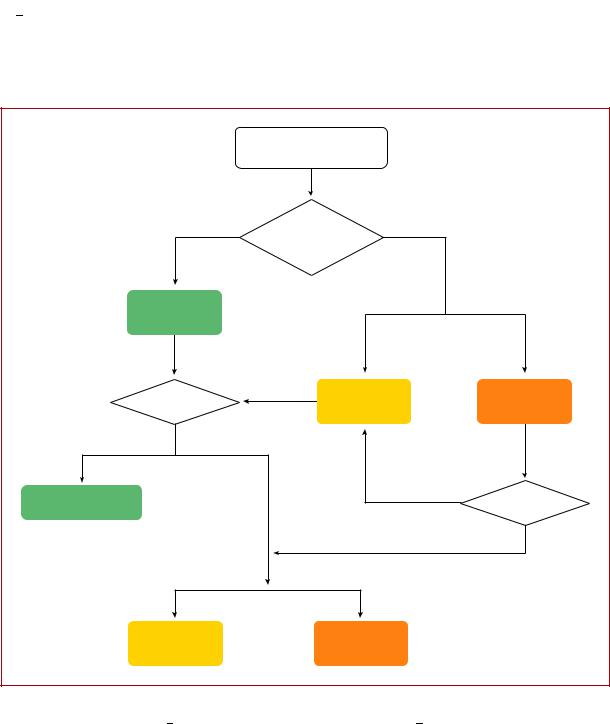
Figure 22 summarizes the recommendations for the screening and management of patients with asymptomatic pre-excitation.
Recommendations for the management of patients with asymptomatic pre-excitation
|
Recommendation |
Classa |
Levelb |
|
|
|
|
|
|
|
|
|
Performance of an EPS, with the use of isopre- |
|
|
|
|
|
naline, is recommended to risk stratify individ- |
|
|
|
|
|
uals with asymptomatic pre-excitation who |
I |
B |
|
|
|
have high-risk occupations/hobbies,c and those |
|
|
||
|
|
|
|
|
|
|
who participate in competitive |
|
|
|
|
|
athletics.439,450 452,454 460 |
|
|
|
|
|
Catheter ablation is recommended in asymp- |
|
|
|
|
|
tomatic patients in whom electrophysiology |
|
|
|
|
|
testing with the use of isoprenaline identifies |
I |
B |
|
|
|
high-risk properties, such as SPERRI <250 ms, |
|
|
||
|
|
|
|
|
|
|
AP ERP <250 ms, multiple APs, and an induci- |
|
|
|
|
|
ble AP-mediated tachycardia.439,450,452,454 460 |
|
|
|
|
|
Catheter ablation is recommended in high-risk |
|
|
|
|
|
patients with asymptomatic pre-excitation |
|
|
|
|
|
after discussing the risks, especially of heart |
I |
C |
|
|
|
block associated with ablation of anteroseptal |
|
|
||
|
|
|
|
|
|
|
or MS APs, and benefits of the |
|
|
|
|
|
procedure.439,440,473 476 |
|
|
|
|
|
Performance of an EPS to risk stratify individu- |
|
|
|
|
|
als with asymptomatic pre-excitation should |
IIa |
B |
|
|
|
be considered.439,450 452,454 460 |
|
|
|
|
|
Non-invasive evaluation of the conducting |
|
|
|
|
|
properties of the AP in individuals with asymp- |
IIb |
B |
|
|
|
tomatic pre-excitation may be |
|
|
||
|
|
|
|
|
|
|
considered.459,461 463,465 469 |
|
|
|
|
|
Invasive risk stratification with an EPS is rec- |
|
|
|
|
|
ommended in patients without ‘low-risk’ char- |
I |
C |
|
|
|
acteristics at non-invasive risk |
|
|
||
|
|
|
|
|
|
|
stratification.462,463,465 469,477 |
|
|
|
|
|
Clinical follow-up should be considered in a |
|
|
|
|
|
patient with asymptomatic pre-excitation and |
IIa |
C |
|
|
|
a low-risk AP at invasive risk |
|
|
||
|
|
|
|
|
|
|
stratification.450,452,456,463,477 |
|
|
|
|
|
Catheter ablation may be considered in a |
|
|
|
|
|
patient with asymptomatic pre-excitation, and |
IIb |
C |
|
|
|
a low-risk AP at invasive or non-invasive risk |
|
|
||
|
|
|
|
|
|
|
stratification.405,450,452,456,463,477 |
|
|
|
|
|
Catheter ablation should be considered in |
|
|
|
|
|
patients with asymptomatic pre-excitation and |
IIa |
C |
|
|
|
LV dysfunction due to electrical |
|
|
||
|
|
|
|
|
|
|
dyssynchrony.478 481 |
|
|
|
|
|
Catheter ablation may be considered in |
|
|
|
|
|
patients with low-risk asymptomatic pre-exci- |
|
|
|
|
|
tation in appropriately experienced centres |
IIb |
C |
|
|
|
according to patient |
|
|
|
|
|
preferences.203,439,450,453,454,471,474,482 |
|
|
|
|
AP = accessory pathway; EPS = electrophysiology study; ERP = effective refractory period; LV = left ventricular; MS = mid-septal; SPERRI = shortest pre-excited RR interval during atrial fibrillation.
aClass of recommendation. bLevel of evidence
cSuch as pilots and professional drivers.
2019 September 13 on guest by 1093/eurheartj/ehz467/5556821.abstract/doi/10-article-com/eurheartj/advance.oup.https://academic from Downloaded
40 |
ESC Guidelines |
|
|
Invasive screening with an EPS should be performed in patients with asymptomatic pre-excitation who either have high-risk occupations or are competitive athletes (Figure 22). Variables on the EPS that identify patients with a high-risk AP include a SPERRI <250 ms, AP ERP <250 ms, multiple APs, and an inducible AP-mediated tachycardia in the baseline state or during isoproterenol infusion, which should always be tried.452,460 The options for screening patients who do not fall into these groups include the use of EPS as a risk-stratifying
.
.
.
.
.
.
.
.
.
.
.
.
.
.
.
.
.
.
.
.
.
.
.
.
.
.
tool or the use of non-invasive screening with exercise testing, drug testing, and ambulatory monitoring as risk-stratification tools.
If a patient undergoes screening with an EPS and is found to have an AP with ‘high-risk’ characteristics, catheter ablation should be performed. Catheter ablation of an AP, when performed by an experienced operator, is associated with a high cure rate (>95%) and low risk (<0.5%) of major complications (see also Section 11.1.2.3).438 440 However, it should be noted that even invasive
|
Asymptomatic |
|
|
pre-excitation |
|
Yes |
High-risk occupation |
No |
|
|
|
|
or competitive athlete? |
|
EPS for |
|
|
risk stratification |
|
|
(I B) |
|
|
|
EPS for |
Non-invasive |
High-risk features |
risk stratification |
risk stratification |
|
(IIa B) |
(IIb B) |
Yes |
No |
|
Catheter ablation |
|
No |
|
Low-risk features |
|
(I C) |
|
|
|
|
|
|
|
Yes |
Clinical follow-up |
Catheter ablation |
2019 |
(IIa C) |
(IIb C) |
|
|
|
©ESC |
Figure 22 Risk stratification and therapy of patients with asymptomatic pre-excitation. High-risk features at electrophysiology study are shortest preexcited RR interval during atrial fibrillation <250 ms, accessory pathway effective refractory period <250 ms, multiple accessory pathways, and inducible atrioventricular re-entrant tachycardia. Low-risk features at non-invasive risk stratification are induced or intermittent loss of pre-excitation on exercise or drug testing, resting electrocardiogram, and ambulatory electrocardiogram monitoring.
EPS = electrophysiology study.
2019 September 13 on guest by 1093/eurheartj/ehz467/5556821.abstract/doi/10-article-com/eurheartj/advance.oup.https://academic from Downloaded