Материал: 2016_Kaplan_USMLE_Step_1_Lecture_Notes_Pharmacology
Chapter 3 λ Adrenergic Pharmacology
β Agonists
•β1: HR, SV, CO, and pulse pressure
• β2: TPR, BP
Beta agonists
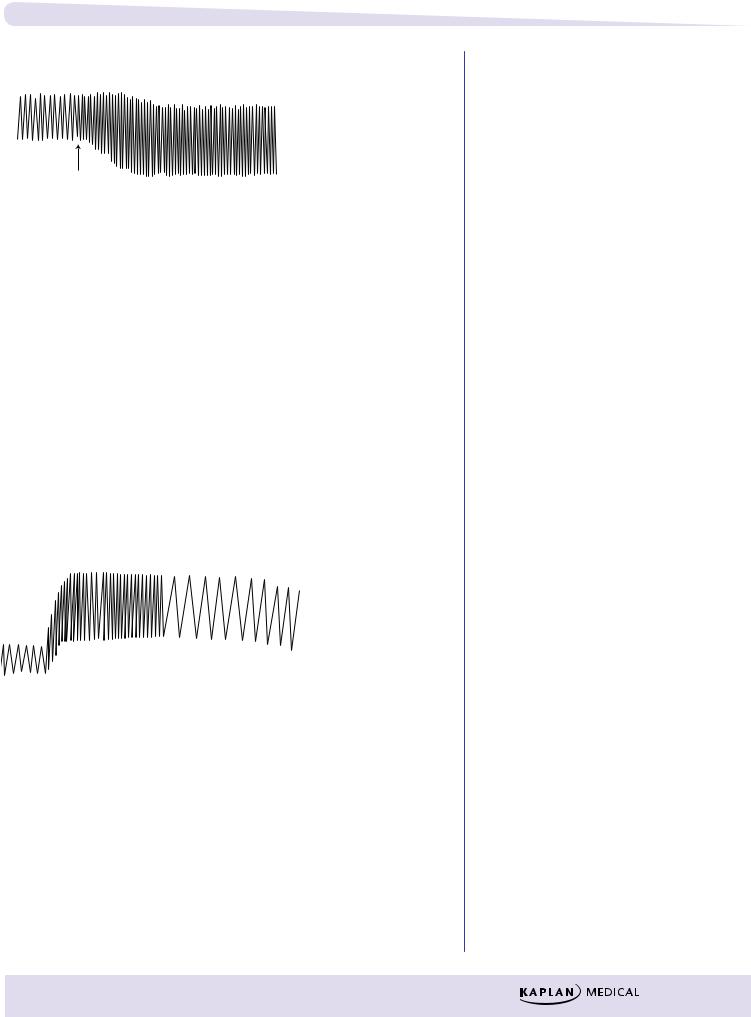
Figure II-3-3. Effect of Beta Receptor Activation on Heart Rate and Blood Pressure
λSystemically, ↓ mean BP via vasodilation (β2) and ↑ HR (β1)
λDrugs and uses:
−Isoproterenol (β1 = β2)
−Dobutamine (β1 > β2): congestive heart failure
−Selective β2 agonists:
ºSalmeterol, albuterol, and terbutaline used in asthma
ºTerbutaline, used in premature labor
Mixed-Acting Agonists: Norepinephrine vs. Epinephrine
Norepinephrine (α1, α2, β1)
 Norepinephrine
•α1: ↑ TPR, ↑ BP
•β1: ↑ HR, ↑ SV, ↑ CO, ↑ pulse pressure
•Potential reflex bradycardia
•No effect on β2
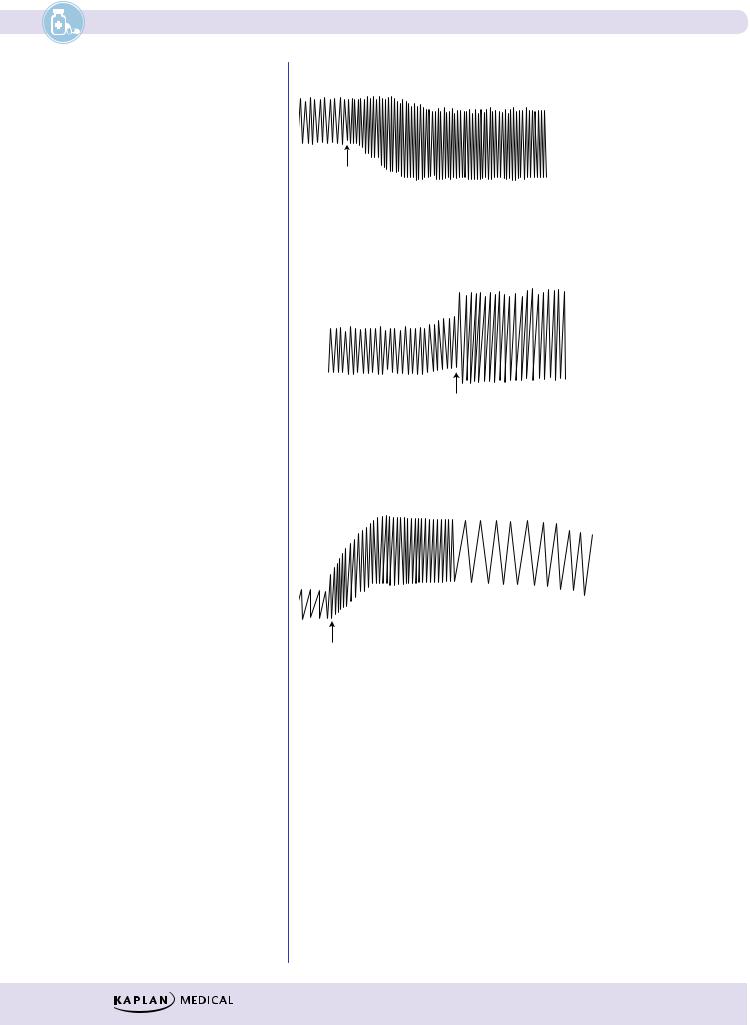
Figure II-3-4. Effect of Norepinephrine on Heart Rate and Blood Pressure
59
Section II λ Autonomic Pharmacology
Epinephrine (α1, α2, β1, β2)
|
• β1: ↑ HR, ↑ SV, ↑ CO, |
|
↑ pulse pressure |
Epinephrine |
• β2: ↓ TPR, ↓ BP |
Figure II-3-5a. Effect of Low-dose Epinephrine on Heart Rate and Blood Pressure
• β1: ↑ HR, ↑ SV, ↑ CO, ↑ pulse pressure
• β2: ↓ TPR, ↓ BP
• α1: ↑ TPR, ↑ BP
Epinephrine
Figure II-3-5b. Effect of Medium-Dose Epinephrine on Heart Rate and Blood Pressure
• α1: ↑ TPR, ↑ BP
• Potential reflex bradycardia
• β1: ↑ HR, ↑ SV, ↑ CO, ↑ pulse pressure
• β2: ↓ TPR, ↓ BP
Epinephrine
Figure II-3-5c. Effect of High-dose Epinephrine Is
Similar to Norepinephrine
λDose-dependent effects:
−Low-dose: β1, β2 stimulation (see Figure II-3-5a)
−High-dose: α1, β1 (β2) (see Figure II-3-5c)
λβ2-specific effects:
−Smooth muscle relaxation: bronchioles, uterus, blood vessels
−Metabolic effects:
º↑ glycogenolysis (muscle and liver)
º↑ gluconeogenesis
º↑ mobilization and use of fat
60

Chapter 3 λ Adrenergic Pharmacology
λDifferentiation of high-dose epinephrine versus norepinephrine:
−Epinephrine reversal: Use of α1 blocker to reverse hypertension to hypotension in a patient receiving too much epinephrine
−Hypertension was due to predominant α1 tone on the vasculature
−Hypotension results from unmasking β2 receptors
Uses of Norepinephrine and Epinephrine
λCardiac arrest
λAdjunct to local anesthetic
λHypotension
λAnaphylaxis (epinephrine only)
λAsthma (epinephrine only)
INDIRECT-ACTING ADRENERGIC RECEPTOR AGONISTS
λReleasers:
−Displace norepinephrine from mobile pool
−Drug interaction: MAOA inhibitors (hypertensive crisis)
−Tyramine (red wine, cheese)
ºOral bioavailability is limited by MAO-A metabolism in gut and liver
ºMAO-A inhibition ↑ bioavailability, resulting in hypertensive crisis
−Amphetamines
ºClinical use of methylphenidate in narcolepsy and ADHD
ºPsychostimulant due to central release of DA, NE, 5HT
−Ephedrine (cold medication)
λReuptake inhibitors:
−Cocaine
−Tricyclic antidepressant (in part)
αRECEPTOR ANTAGONISTS
λ↓ TPR, ↓ mean BP
λMay cause reflex tachycardia and salt and water retention
λMajor uses:
−Hypertension
−Pheochromocytoma (nonselective α blocker)
−Benign prostatic hyperplasia (BPH; selective α1 blocker)
λDrugs:
−Nonselective blocker:
ºPhentolamine, competitive inhibitor
ºPhenoxybenzamine, noncompetitive inhibitor
Classic Clue
λIndirect-acting adrenoceptor agonists act only on effector tissues innervated by SANS.
λDenervated effector tissues are nonresponsive because these drugs act either to release transmitter from nerve terminals or to inhibit neurotransmitter reuptake.
In A Nutshell
Forms of MAO
λMAO type A: mainly in liver, but Anywhere (metabolizes NE, 5HT, and tyramine)
λMAO type B: mainly in Brain (metabolizes DA)
61
Section II λ Autonomic Pharmacology
−Selective α1 blocker:
ºPrazosin, doxazosin, terazosin, tamsulosin
−Selective α2 blocker:
ºMirtazapine: used as antidepressant
Clinical Correlate
Chronic use of beta blockers (e.g., in angina, HTN) leads to receptor upregulation.
During withdrawal from use, it is important to taper dose to avoid excessive cardiovascular effects (rebound effects) of endogenous amines.
Clinical Correlate
Glucagon and the Heart
Positive inotropic and chronotropic, not via activation of β1 receptors, but through glucagon receptors that are G-protein linked to adenylyl cyclase → basis for its use in beta-blocker overdose.
βRECEPTOR ANTAGONISTS
λβ1 blockade:
−↓ HR, ↓ SV, ↓ CO
−↓ renin release
λβ2 blockade:
−May precipitate bronchospasm (in asthmatics) and vasospasm (in patients with vasospastic disorders)
−↓ aqueous humor production
−Metabolic effects
ºBlocks glycogenolysis, gluconeogenesis
º↑ LDLs, TGs
Table II-3-3. Characteristics of Some Beta Blockers
Drugs |
|
|
β1-Selective |
|
|
ISA |
|
|
Sedation |
|
|
Blood Lipids |
Acebutolol |
+ |
|
++ |
|
+ |
|
|
– |
||||
Atenolol |
+ |
|
|
– |
|
– |
|
↑↑ |
||||
Metoprolol |
+ |
|
|
– |
+ |
|
|
↑↑ |
||||
Pindolol |
|
– |
++ |
|
+ |
|
|
– |
||||
Propranolol |
|
– |
|
– |
+++ |
|
|
↑↑ |
||||
Timolol |
|
– |
|
– |
++ |
|
|
↑↑ |
||||
|
|
|
|
|
|
|
|
|
|
|
|
|
λCardioselectivity (β1):
−Less effect on vasculature, bronchioles, uterus, and metabolism
−Safer in asthma, diabetes, peripheral vascular diseases
λIntrinsic sympathomimetic activity (ISA):
– Act as partial agonists
−Less bradycardia (β1)
– Slight vasodilation or bronchodilation (β2)
−Minimal change in plasma lipids (β2)
λPharmacokinetic properties:
−No CNS entry of atenolol
λGeneral uses of beta-blockers:
−Angina, hypertension, post-MI (all drugs)
−Antiarrhythmics (class II: propranolol, acebutolol, esmolol)
62

Chapter 3 λ Adrenergic Pharmacology
−Glaucoma (timolol)
−Migraine, thyrotoxicosis, performance anxiety, essential tremor (propranolol)
λCombined alpha-1 and beta blocking activity:
−Labetalol and carvedilol
−Use in CHF (carvedilol) and in hypertensive emergencies (labetalol)
λK+-channel blockade and β-blocking activity
−Sotalol
63