Материал: 2019 ESC - supraventricular tachycardia

16 |
ESC Guidelines |
|
|
AVRT. The derived criteria were found to offer sensitivity of 75% and specificity of 100%,73 and the algorithm was also validated in another study,74 but experience is still limited.
In fact, several independent studies have found that various ECGbased methods have specificities of 40 80% and accuracies of75%.44,68,75 80 Indeed, a similar diagnostic accuracy of 75% would be achieved effortlessly by considering every wide QRS tachycardia to be a VT, because only 25 30% are SVTs. Therefore, emerging approaches to integrate these algorithms and provide more accurate scoring systems are being evaluated.81 Furthermore, conventional ECG criteria have reduced the sensitivity to distinguish VT from SVT with aberrancy in patients with idiopathic VT. This is most pronounced in VTs originating from septal sites, particularly Purkinje sites and the septal outflow tract regions.82
9.2.2 Electrophysiology study
On certain occasions, an EPS is necessary for diagnosis.
9.3 Irregular tachycardias
An irregular ventricular rhythm most commonly indicates AF, multifocal AT, or focal AT/atrial flutter with variable AV conduction, and may occur in the context of both narrow and broad QRS complexes. When AF is associated with rapid ventricular rates, the irregularity of this ventricular response is less easily detected and can be misdiagnosed as a regular SVT.83 If the atrial rate exceeds the ventricular rate, then atrial flutter or AT (focal or multifocal) is usually present. Polymorphic VT and, rarely, monomorphic VT may also be irregular. Occasionally, a junctional, non-re-entrant tachycardia may have a variable rate.
Specifically, the differential diagnosis of an irregular wide QRS tachycardia is either pre-excited AF or polymorphic VT, or AT with variable block in the context of aberrancy. Pre-excited AF manifests itself by irregularity, a varying QRS morphology, and a rapid ventricular rate (owing to the short RP of the AP). The changing QRS morphology results from varying degrees of fusion due to activation over both the AP and the AVN, which also result in variation in the width of the delta wave. A further cause of varying QRS morphology in this context will be if more than one antegrade AP is present with intermittent conduction over each. The ventricular rate tends to be higher than in those with non-pre- excited AF.84
10 Acute management in the absence of an established diagnosis
10.1 Regular tachycardias
10.1.1 Narrow QRS ( 120 ms) tachycardias
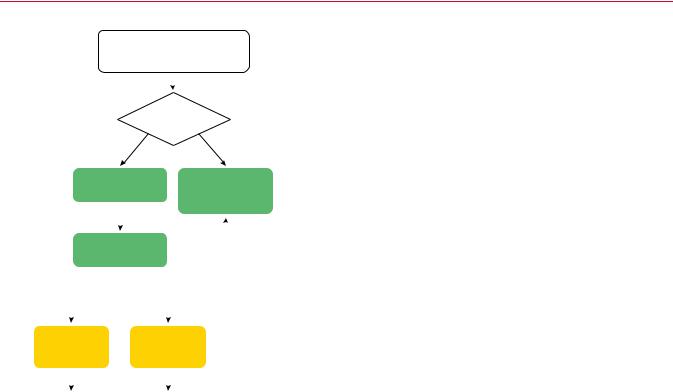
Patients with SVT are common and potentially recurrent attenders in emergency departments, with an estimated 50 000 visits each year in the USA.85 The initial approach to acute management tends to be non-drug-based, with escalation to intravenous (i.v.) drugs or electrical cardioversion in the absence of early correction (Figure 4).
Recommendations for the acute management of narrow QRS tachycardia in the absence of an established diagnosis
|
Recommendation |
|
Classa |
Levelb |
|
|
Haemodynamically unstable patients |
|
|
|
|
|
Synchronized DC cardioversion is recom- |
|
|
|
|
|
mended for haemodynamically unstable |
I |
B |
|
|
|
patients.86 88 |
|
|
|
|
|
Haemodynamically stable patients |
|
|
|
|
|
A 12 lead ECG during tachycardia is |
I |
C |
|
|
|
recommended. |
|
|||
|
|
|
|
||
|
Vagal manoeuvres, preferably in the supine |
|
|
|
|
|
position with leg elevation, are |
I |
B |
|
|
|
recommended.41,89 91 |
|
|
|
|
|
Adenosine (6 18 mg i.v. bolus) is recom- |
I |
B |
|
|
|
mended if vagal manoeuvres fail.92 94 |
|
|
|
|
|
Verapamil or diltiazem (i.v.) should be consid- |
|
|
|
|
|
ered, if vagal manoeuvres and adenosine |
IIa |
B |
|
|
|
fail.92,94 98 |
|
|
|
|
|
Beta-blockers (i.v. esmolol or metoprolol) |
|
|
|
|
|
should be considered if vagal manoeuvres and |
IIa |
C |
|
|
|
adenosine fail.97,99,100 |
|
|
|
|
|
Synchronized direct-current cardioversion is |
|
|
|
|
|
recommended when drug therapy fails to con- |
I |
B |
|
|
|
vert or control the tachycardia.87,88 |
|
|
|
|
i.v. beta-blockers are contraindicated in the presence of decompensated HF.
i.v. verapamil and diltiazem are contraindicated in the presence of hypotension or HFrEF.
DC = direct current; ECG = electrocardiogram; HF = heart failure; HFrEF = heart failure with reduced ejection fraction; i.v. = intravenous.
aClass of recommendation. bLevel of evidence.
. |
10.1.1.1 Haemodynamically unstable patients |
|||||
. |
||||||
. |
|
|
|
|
|
|
. |
Immediate direct-current (DC) cardioversion is the first choice in |
|||||
. |
||||||
. |
|
|
|
|
|
|
. |
haemodynamically compromised |
patients with narrow QRS |
||||
. |
||||||
. |
|
|
86 88,101 |
|
|
|
. |
tachycardia. |
|
|
|||
. |
|
|
|
|
||
. |
|
|
|
|
|
|
. |
|
|
|
|
|
|
. |
|
|
|
|
|
|
. |
|
|
|
|
|
|
. |
10.1.1.2 Haemodynamically stable patients |
|||||
. |
||||||
. |
|
|
|
|
|
|
. |
Vagal manoeuvres can be used to terminate an episode of narrow |
|||||
. |
||||||
. |
|
|
|
|
|
|
. |
|
41 |
The effectiveness of conventional vagal manoeuvres in |
|||
. |
QRS SVT. |
|
||||
. |
|
|
|
|
|
|
. |
terminating SVT, when correctly performed, has been reported as |
|||||
. |
||||||
. |
|
|
|
|
|
|
. |
between 19 and 54%. |
41,89 91,102,103 |
Vagal manoeuvres include differ- |
|||
. |
|
|||||
. |
|
|
|
|
|
|
. |
ent techniques used to stimulate the receptors in the internal carotid |
|||||
. |
||||||
. |
||||||
. |
arteries. This stimulation causes a |
reflex stimulation of the vagus |
||||
. |
||||||
. |
||||||
. |
|
|
|
|
|
|
. |
nerve, which results in the release of acetylcholine, which may in turn |
|||||
. |
||||||
. |
|
|
|
|
|
|
. |
slow the electrical impulse through the AVN and slow the heart rate. |
|||||
. |
||||||
. |
|
|
|
|
|
|
. |
Many of these manoeuvres can be performed with minimal risk at the |
|||||
. |
||||||
. |
|
|
|
|
|
|
. |
bedside or in an office setting, and can be both diagnostic and thera- |
|||||
. |
||||||
. |
|
|
|
|
|
|
. |
|
|
|
|
|
|
. peutic. The Valsalva manoeuvre is a safe and internationally recom- |
||||||
. |
|
|
|
|
|
|
. |
|
|
|
|
|
|
. mended first-line emergency treatment for SVT, although a recent |
||||||
. |
|
|
|
|
|
|
. |
Cochrane review found insufficient evidence to support or refute its |
|||||
. |
||||||
. |
89 |
|
|
|
|
|
. |
|
|
|
|
||
. |
utility. |
The Valsalva manoeuvre has generally been shown to be |
||||
. |
|
|
|
|
|
|
. |
most effective in adults, and in AVRT rather than AVNRT. A modified |
|||||
. |
||||||
2019 September 13 on guest by 1093/eurheartj/ehz467/5556821.abstract/doi/10-article-com/eurheartj/advance.oup.https://academic from Downloaded
ESC Guidelines |
17 |
|
|
|
|
Narrow QRS |
|
||||
|
|
|
|
tachycardia |
|
||||
|
|
|
|
|
|
|
|
|
|
|
|
|
|
Haemodynamic |
|
||||
|
|
|
|
instability |
|
|
|
||
|
|
|
No |
Yes |
|
||||
|
|
Vagal manoeuvres |
Synchronized |
|
|||||
|
|
|
(I B) |
cardioversion |
|
||||
If ineffective |
|
|
|
|
(I B) |
|
|||
|
|
|
|
|
|
|
|||
|
|
|
|
|
|
|
|
|
|
|
|
i.v. adenosine |
|
|
|
||||
|
|
|
(I B) |
|
|
|
|||
If ineffective |
|
|
|
|
|
|
|
||
|
|
|
|
|
|
|
|||
|
|
|
|
|
|
|
|
|
|
|
|
|
|
|
|
|
|
|
|
i.v. verapamil or |
|
i.v. beta-blocker |
|
|
|
||||
diltiazem |
|
|
|
|
|||||
|
(IIa C) |
|
|
|
|||||
(IIa |
|
B) |
|
|
|
|
|||
|
|
|
|
|
|
|
2019 |
||
|
|
|
|
|
|
|
|
|
|
|
|
|
|
|
|
|
|
|
|
|
|
|
|
|
|
|
|
|
©ESC |
|
|
If ineffective |
|
|
|||||
|
|
|
|
|
|||||
|
|
|
|
|
|
|
|
|
|
Figure 4 Acute therapy of narrow QRS tachycardia in the absence of an established diagnosis.
i.v. = intravenous.
approach to the Valsalva manoeuvre provides a considerable enhancement of conversion success rates (43 vs. 17% conversion rate).41 This enhanced method requires the Valsalva to be completed semi-recumbent, with supine repositioning and passive leg raise after the Valsalva strain. Blowing into a 10 mL syringe with sufficient force to move the plunger may standardize the approach.104 Carotid sinus massage is performed with the patient’s neck in an extended position, with the head turned away from the side to which pressure is applied. It should always be unilateral as there is a potential risk with bilateral pressure, and it should be limited to 5 s. The patient should be monitored. This technique should be avoided in patients with previous transient ischaemic attack or stroke, and in patients with carotid bruits.3
Other manoeuvres, such as facial immersion in cold water or forceful coughing, are rarely used now.
Adenosine, an endogenous purine nucleoside (6 18 mg i.v. bolus) is the first drug of choice.92 94 Pharmacologically relevant electrophysiological influences are mediated through cardiac adenosine A1 receptors.105,106 Clinical EPSs have documented progressive doserelated prolongation of AV conduction [due to effects on the atrial His (AH) interval, and none on the HV interval], culminating in transient AV block that is then responsible for tachycardia termination.107
The mean dose required for termination is 6 mg. To achieve efficient rhythm correction, injection should be as a rapid bolus with immediate saline flush. Large, centrally located (e.g. antecubital) veins are likely to deliver more effective drug concentrations to the heart
.
.
.
.
.
.
.
.
.
.
.
.
.
.
.
.
.
.
.
.
.
.
.
.
.
.
.
.
.
.
.
.
.
.
.
.
.
.
.
.
.
.
.
.
.
.
.
.
.
.
.
.
.
.
.
.
.
.
.
.
.
.
.
.
.
.
.
.
.
.
.
.
.
.
.
.
.
.
.
.
.
.
.
.
.
.
.
.
.
.
.
.
.
.
.
.
.
.
.
.
.
.
.
.
.
.
.
.
.
.
.
.
.
.
.
.
.
.
.
.
.
.
.
.
.
.
.
.
.
.
.
.
.
.
.
.
.
.
.
.
.
.
.
.
.
.
.
.
.
.
.
.
.
.
.
.
.
.
.
.
.
.
.
.
.
.
.
.
.
.
.
.
.
than smaller distal veins.108 Dosing should then be incremental, starting at 6 mg in adults followed by 12 mg. An 18 mg dose should then be considered, also taking into account tolerability/side effects in the individual patient. Adenosine has a very short plasma half-life due to enzymatic deamination to inactive inosine being achieved in seconds, with end-organ clinical effects complete within 20 30 s.107 Thus, repeat administration is safe within 1 min of the last dose.2,3 The dose range between patients may be very wide,107 with >90% success generally expected.94,109 Some drugs (e.g. dipyridamole and theophylline) may on occasion affect dose requirements, but any influence of recent intake of caffeinated beverages is disputed.110,111
Transient dyspnoea is common with increased ventilation, and is more likely to result from the stimulation of pulmonary vagal C fibres.112 Facial flushing may occur, associated with vasodilatation and increased skin temperature.107 Chest pain, variable in terms of radiation over the thorax, may suggest ischaemic or oesophageal origins, and has been associated with increased coronary sinus blood flow so may well be of cardiac origin.107
Depression of sinoatrial node function is to be expected based on established pharmacology, but prolonged bradycardia is unusual.105,107 Nonetheless, adenosine administration should be approached cautiously in those with known sinus node disease.113 Perceived risks of bradycardia in recipients of denervated orthotropic heart transplants, in whom SVT is common, have prompted a relative contraindication.114,115 However, more recent substantive evidence supports adenosine use in this group with no particular cautions.116 AF may occur following adenosine administration as a result of either direct pulmonary vein (PV) triggering117 or increasing heterogeneity of repolarization,118 and appears more commonly associated with AVRT than AVNRT.93 Adenosine may also occasionally cause or accelerate pre-excited atrial arrhythmias.119,120
Clinically important bronchoconstriction has been rarely reported in those receiving i.v. adenosine for SVT,121 and this observation is further supported by the large experience obtained when adenosine infusions have been given for cardiac stress testing.105,122,123 Furthermore, despite inhaled adenosine producing bronchoconstriction in people with asthma,124 i.v. administration has had no impact on the airways in clinical experimental studies.125 There have been isolated reports of clinically well-documented bronchoconstriction occurring in patients with or without respiratory disease, thus suggesting that care is required in patients with asthma.121,126,127 However, adenosine can be used cautiously in those with asthma, although verapamil may be a more appropriate choice in patients with severe asthma.
Adenosine triphosphate may also be used but clinical experience is limited.
Calcium channel blockers (verapamil/diltiazem i.v.) and betablockers (e.g. esmolol and metoprolol i.v.) are of value, particularly in patients with frequent atrial or ventricular premature beats. Verapamil [0.075 - 0.15 mg/kg i.v. (average 5 - 10 mg) over 2 min] or i.v. diltiazem [0.25 mg/kg (average 20 mg) over 2 min] has been
shown to terminate SVT in 64 98% of patients, but is associated with a risk of hypotension.92,94 98,128 These drugs should be avoided
in patients with haemodynamic instability, HF with reduced LV ejection fraction (<40%), a suspicion of VT, or pre-excited AF. Betablockers (i.v.), such as short-acting esmolol (0.5 mg/kg i.v. bolus or 0.05 - 0.3 mg/kg/min infusion) or metoprolol (2.5 15 mg given i.v. in
2019 September 13 on guest by 1093/eurheartj/ehz467/5556821.abstract/doi/10-article-com/eurheartj/advance.oup.https://academic from Downloaded
18 |
ESC Guidelines |
|
|
2.5 mg boluses), are more effective in reducing the tachycardia rate than in terminating it.97,99,100,128 Although evidence for the effectiveness of beta-blockers in terminating SVT is limited, they have an excellent safety profile in haemodynamically stable patients. Betablockers are contraindicated in patients with decompensated HF. Caution is needed with concomitant use of i.v. calcium channel blockers and beta-blockers, because of possible potentiation of hypotensive and bradycardic effects. In the first clinical trial of etripamil, a short-acting L-type calcium channel blocker with a rapid onset of action after intranasal administration, conversion rates from SVT to sinus rhythm ranged from 65 95%.129
10.1.2 Wide QRS (120 ms) tachycardias
The acute management of a patient with wide QRS tachycardia depends on the haemodynamic stability of the patient
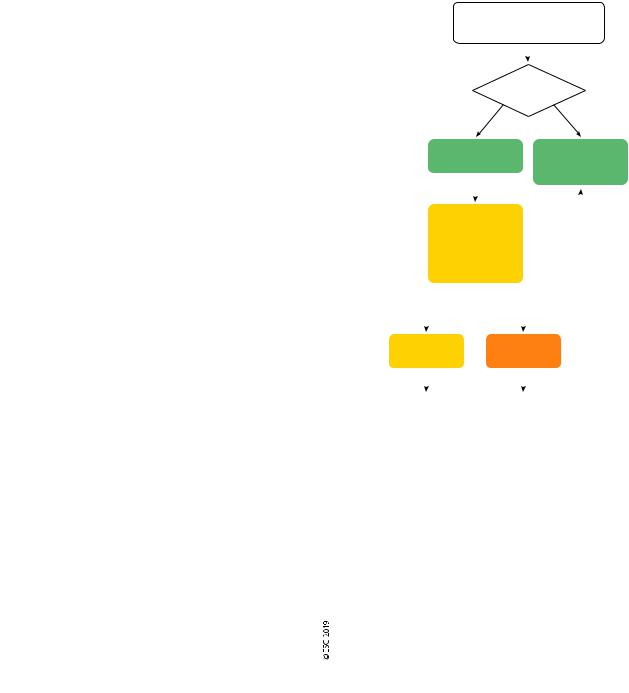
(Figure 5).106,130,131
Recommendations for the acute management of wide QRS tachycardia in the absence of an established diagnosis
|
Recommendation |
Classa |
Levelb |
|
|
Haemodynamically unstable patients |
|
|
|
|
|
|
|
|
|
Synchronized DC cardioversion is recom- |
|
|
|
|
mended in haemodynamically unstable |
I |
B |
|
|
patients.86,130 |
|
|
|
|
Haemodynamically stable patients |
|
|
|
|
A 12 lead ECG during tachycardia is |
I |
C |
|
|
recommended. |
|||
|
|
|
|
|
|
Vagal manoeuvres are recommended. |
I |
C |
|
|
Adenosine should be considered if vagal |
|
|
|
|
manoeuvres fail and there is no pre-excitation |
IIa |
C |
|
|
on a resting ECG. |
|
|
|
|
Procainamide (i.v.) should be considered if |
IIa |
B |
|
|
vagal manoeuvres and adenosine fail.132 |
|||
|
|
|
|
|
|
Amiodarone (i.v.) may be considered if vagal |
IIb |
B |
|
|
manoeuvres and adenosine fail.132 |
|||
|
|
|
|
|
|
Synchronized DC cardioversion is recom- |
|
|
|
|
mended if drug therapy fails to convert or |
I |
B |
|
|
control the tachycardia.86,130 |
|
|
|
|
Verapamil is not recommended in wide QRS- |
|
|
|
|
complex tachycardia of unknown |
III |
B |
|
|
aetiology.64,133,134 |
|
|
|
DC = direct current; ECG = electrocardiogram; i.v. = intravenous. aClass of recommendation.
bLevel of evidence.
10.1.2.1 Haemodynamically unstable patients
Haemodynamic instability may occur with any wide QRS tachycardia, regardless of the cause, but is more likely in patients with VT. Synchronized cardioversion is recommended for any persistent wide QRS tachycardia resulting in hypotension, acutely altered mental status, chest pain, acute HF symptoms, or signs of shock.86,87
.
.
.
.
.
.
.
.
.
.
.
.
.
.
.
.
.
.
.
.
.
.
.
.
.
.
.
.
.
.
.
.
.
.
.
.
.
.
.
.
.
.
.
.
.
.
.
.
.
.
.
.
.
.
.
.
.
.
.
.
.
.
.
.
.
.
.
.
.
|
|
|
|
|
Wide QRS |
|
|||||
|
|
|
|
|
tachycardia |
|
|||||
|
|
|
|
|
|
|
|
|
|
|
|
|
|
|
|
|
Haemodynamic |
|
|||||
|
|
|
|
|
|
instability |
|
||||
|
|
|
No |
|
|
|
Yes |
|
|||
|
|
Vagal manoeuvres |
|
|
|
Synchronized |
|
||||
|
|
|
(I C) |
|
|
|
cardioversion |
|
|||
If ineffective |
|
|
|
|
|
|
(I B) |
|
|||
|
|
|
|
|
|
|
|
|
|||
|
|
|
|
|
|
|
|
|
|
|
|
|
|
i.v. adenosine |
|
|
|
|
|
|
|||
|
|
(if no evidence of |
|
|
|
|
|
|
|||
|
|
pre-excitation |
|
|
|
|
|
|
|||
|
|
on resting ECG) |
|
|
|
|
|
|
|||
If ineffective |
(IIa |
|
C) |
|
|
|
|
|
|
||
|
|
|
|
|
|
|
|||||
|
|
|
|
|
|
|
|
|
|||
|
|
|
|
|
|
|
|
|
|||
|
|
|
|
|
|
|
|
|
|
|
|
i.v. procainamide |
|
|
i.v. amiodarone |
|
|
||||||
(IIa |
|
B) |
|
|
|
(IIb |
|
B) |
|
2019 |
|
|
|
|
|
|
|||||||
|
|
|
|
|
|
|
|
|
|
|
|
|
|
|
|
|
|
|
|
|
|
|
|
|
|
|
|
|
|
|
|
|
|
|
©ESC |
|
|
If ineffective |
|
|
|
|
|
||||
|
|
|
|
|
|
|
|
||||
|
|
|
|
|
|
|
|
|
|
|
|
Figure 5 Acute therapy of wide complex tachycardia in the absence of an established diagnosis.
AVRT = atrioventricular re-entrant tachycardia; i.v. = intravenous.
10.1.2.2 Haemodynamically stable patients
In a patient with wide QRS tachycardia who is haemodynamically stable, the response to vagal manoeuvres may provide insight into the mechanism responsible for the arrhythmia. SVT with aberrancy, if definitively identified, may be treated in the same manner as narrow complex SVT, with vagal manoeuvres or drugs (adenosine and other
AVN-blocking agents such as beta-blockers or calcium channel blockers).117 119,129
Some drugs used for the diagnosis or treatment of SVT (e.g. verapamil) can cause severe haemodynamic deterioration in patients with a previously stable VT.64,133,134 Thus, they should only be used for the treatment of patients in whom the diagnosis of SVT is fully established and secure. Adenosine may be helpful by means of allowing a diagnosis or interrupting an adenosine-sensitive VT, but it must be avoided if pre-excitation on resting ECG suggests a pre-excited tachycardia. There is a risk that in antidromic re-entry, adenosine may precipitate cardiac arrest if there is induction of AF by adenosine, as may occasionally occur.135
For pharmacological termination of a haemodynamically stable wide QRS-complex tachycardia of unknown aetiology, i.v. procainamide or amiodarone can be used in-hospital.132,136 138 In the PROCAMIO trial132 in patients with well-tolerated wide QRS
2019 September 13 on guest by 1093/eurheartj/ehz467/5556821.abstract/doi/10-article-com/eurheartj/advance.oup.https://academic from Downloaded

ESC Guidelines |
19 |
|
|
tachycardia, with or without reduced LV ejection fraction, procainamide was associated with fewer major cardiac adverse events and a higher proportion of tachycardia termination within 40 min compared with amiodarone.
In case the mechanism of the arrhythmia is not fully understood, the arrhythmia should be treated as VT.
10.2 Irregular tachycardias
A wide QRS irregular tachycardia is usually a manifestation of AF. Rarely, polymorphic VT and, very rarely, monomorphic VT may also present as irregular tachycardias. Electrical cardioversion is the acute treatment of choice in irregular pre-excited tachycardias associated with haemodynamic instability. Specific therapy of pre-excited AF is discussed in section 11.
If the rhythm is well tolerated with a narrow QRS-complex irregular tachycardia, this should be considered likely to be AF, and rate control with beta-blockers or calcium channel blockers, and elective chemical or electrical cardioversion once thromboprophylaxis is in place, may be appropriate.4
11 Specific types of supraventricular tachycardia
11.1 Atrial arrhythmias
11.1.1 Sinus tachycardia
Sinus tachycardia is defined as a sinus rate >100 b.p.m. On the ECG, the P wave is positive in leads I, II, and aVF, and biphasic/negative in lead V1.
11.1.1.1 Physiological sinus tachycardia
The determinants of physiological sinus tachycardia are, by definition, physiological (effort, stress, or pregnancy), and may also arise secondary to other medical conditions or drugs (Table 10). The 12 lead ECG shows P-wave morphology typical of normal sinus rhythm. Physiological sinus tachycardia is treated by identifying and eliminating the cause.
11.1.1.2 Inappropriate sinus tachycardia
IST is defined as a fast sinus rhythm (>100 b.p.m.) at rest or minimal activity that is out of proportion with the level of physical, emotional, pathological, or pharmacological stress.139 The tachycardia tends to be persistent, and most of the affected patients are young and female, but this disorder is not limited to that population.140 The underlying
.
.
.
.
.
.
.
.
.
.
.
.
.
.
.
.
.
.
.
.
.
.
.
.
.
.
.
.
.
.
.
.
.
.
.
.
.
.
.
.
.
.
.
.
.
.
.
.
.
.
.
.
.
.
.
.
.
.
.
.
.
.
.
.
.
.
.
.
.
.
.
.
.
.
.
.
.
.
.
.
.
.
.
.
.
.
.
.
.
.
.
.
.
.
.
.
.
.
.
.
.
.
.
.
.
.
.
.
.
.
.
.
.
.
.
.
.
.
.
.
.
.
.
.
.
.
.
.
.
.
.
.
.
.
mechanism of IST remains poorly understood and is likely to be multifactorial (e.g. dysautonomia, neurohormonal dysregulation, and intrinsic sinus node hyperactivity). Recently, a gain-of-function mutation of the pacemaker hyperpolarization-activated cyclic nucleotidegated 4 (HCN4) channel has been reported in a familial form of IST.141 There is also evolving evidence that immunoglobulin G antibeta receptor antibodies are found in IST.142 The prognosis of IST is generally considered benign140 and the arrhythmia has not been associated with tachycardia-induced cardiomyopathy.
11.1.1.2.1Diagnosis. Patients with IST have a wide spectrum of clinical presentations ranging from usually asymptomatic or minimally symptomatic palpitations to dyspnoea, exercise intolerance, dizziness, and light-headedness. The diagnosis of IST is one of exclusion of POTS, sinus re-entrant tachycardia, or focal AT from the superior part of the crista terminalis or right superior PV. Characteristically, 24 h Holter monitoring demonstrates a mean heart rate >90 b.p.m. with an exaggerated heart rate response >100 b.p.m. during waking hours.140 Tolerance exercise testing might also be considered to document the exaggerated heart rate or blood pressure response to minimal exercise. An EPS is generally not required in making the diagnosis, and should not be routinely performed unless, rarely, sinus node re-entry is suspected.
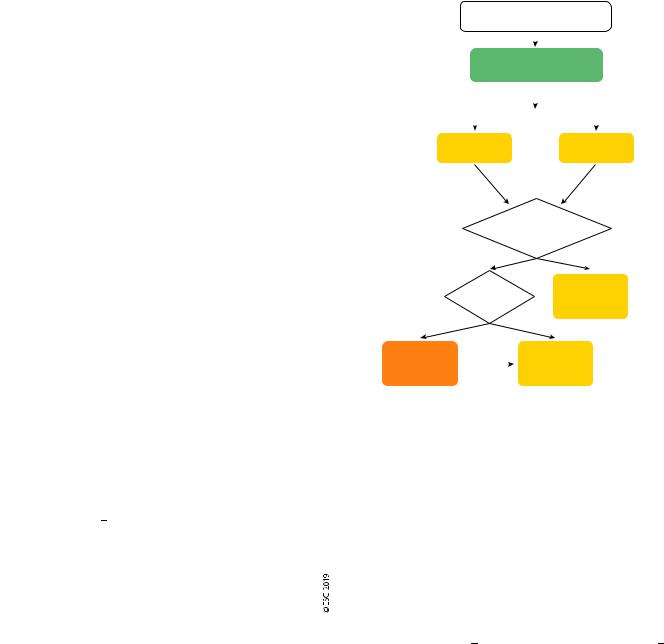
11.1.1.2.2Therapy. Reassurance and lifestyle interventions such as exercise training, volume expansion, and avoidance of cardiac stimulants should be tried before drug treatment (Figure 6).139,143,144 As the prognosis of IST is benign, treatment is aimed at symptom reduction and may not be necessary. Beta-blockers have been used in patients with IST for several years, but may be needed at doses high enough to cause intolerable side effects such as chronic fatigue. Nondihydropyridine calcium channel blockers may also be used, but at
doses that may cause hypotension, and the evidence regarding these drugs is limited.139,145 Ivabradine, a selective blocker of the ‘pace-
maker current’ (If) in sinoatrial myocytes that directly slow the heart rate, has been found to be safe and effective in several small trials.146 150 However, blockade of the If may perturb the feedback loop underlying baroreceptor control of autonomic balance, thereby increasing sympathetic activity to the heart.151 If this effect occurred chronically at therapeutic dosages, it would be a matter of concern for its remodelling and pro-arrhythmic potential. Ivabradine should be preferably co-administered with a beta-blocker when possible; this combination may also be more beneficial than each drug alone for IST.152 Ivabradine should not be taken during pregnancy or
Table 10 Causes of physiological sinus tachycardia
Physiological causes |
Emotion, physical exercise, sexual intercourse, pain, pregnancy |
Pathological causes |
Anxiety, panic attack, anaemia, fever, dehydration, infection, malignancies, hyperthyroidism, hypoglycaemia, |
|
pheochromocytoma, Cushing’s disease, diabetes mellitus with evidence of autonomic dysfunction, pulmonary embolus, |
|
myocardial infarction, pericarditis, valve disease, congestive heart failure, shock |
Drugs |
Epinephrine, norepinephrine, dopamine, dobutamine, atropine, beta-2 adrenergic receptor agonists (salbutamol), |
|
methylxanthines, doxorubicin, daunorubicin, beta-blocker withdrawal |
Illicit drugs |
Amphetamines, cocaine, lysergic acid diethylamide, psilocybin, ecstasy, crack, cocaine |
Other |
Caffeine, alcohol |
2019 September 13 on guest by 1093/eurheartj/ehz467/5556821.abstract/doi/10-article-com/eurheartj/advance.oup.https://academic from Downloaded
20 |
ESC Guidelines |
|
|
breastfeeding.153 As a substrate of cytochrome p450 (CYP) 3A4, ivabradine should be avoided or used with caution with concomitant administration of CYP44A inhibitors (ketoconazole, verapamil, diltiazem, clarithromycin, and grapefruit juice) or inducers (rifampin and carbamazepine).154 The limited and disappointing evidence, reported from small observational studies, suggests that catheter ablation should not be considered as part of the routine management of most patients with IST.155 161
Recommendations for the therapy of sinus tachycardias
|
Recommendation |
|
Classa |
Levelb |
|
|
Inappropriate sinus tachycardia |
|
|
|
|
|
Evaluation and treatment of reversible causes |
I |
C |
||
|
is recommended.139,144,162 |
||||
|
|
|
|
||
|
Ivabradine alone or in combination with a |
|
|
|
|
|
beta-blocker should be considered in sympto- |
IIa |
B |
||
|
matic patients.146 149,151,152 |
|
|
|
|
|
Beta-blockers should be considered in symp- |
IIa |
C |
||
|
tomatic patients.139,147 |
||||
|
|
|
|
||
|
Sinus nodal re-entrant tachycardia |
|
|
|
|
|
Non-dihydropyridine calcium channel block- |
|
|
|
|
|
ers (verapamil or diltiazem) in the absence of |
IIb |
C |
||
|
HFrEF, may be considered in symptomatic |
||||
|
|
|
|
||
|
patients.163 |
|
|
|
|
|
Catheter ablation should be considered in |
|
|
|
|
|
symptomatic patients who do not respond to |
IIa |
C |
||
|
drug therapy.164 166 |
|
|
|
|
|
Postural orthostatic tachycardia syndrome |
|
|
|
|
|
A regular and progressive exercise pro- |
IIa |
B |
||
|
gramme should be considered.167 169 |
||||
|
|
|
|
||
|
The consumption of <2 3 L of water and |
|
|
|
|
|
10 12 g of sodium chloride daily may be |
IIb |
C |
||
|
|
|
|
||
|
considered.170,171 |
|
|
|
|
|
Midodrine, low-dose non-selective beta- |
|
|
|
|
|
blocker, or pyridostigmine may be |
IIb |
B |
||
|
considered.167,170,172 174 |
|
|
|
|
|
Ivabradine may be considered.175 |
IIb |
C |
|
|
HFrEF = heart failure with reduced ejection fraction. aClass of recommendation.
bLevel of evidence.
11.1.1.3 Sinus node re-entrant tachycardia
Sinus node re-entrant tachycardia arises from a re-entry circuit involving the sinus node and, in contrast to IST, is characterized by paroxysmal episodes of tachycardia.176 This uncommon arrhythmia may be associated with paroxysmal symptoms of palpitation, dizziness, and light-headedness. On the ECG, the polarity and configuration of the P waves are similar to the configuration of sinus P waves.163
11.1.1.3.1 Diagnosis. The diagnosis of sinus node re-entrant tachycardia is suspected on ECG and Holter ECG. It can be confirmed with an EPS.
|
|
|
|
Sinus tachycardia |
|
|||||
|
|
|
|
|
|
|
|
|
|
|
|
|
|
|
Treatment of reversible causes |
|
|||||
|
|
|
|
If ineffective |
(I |
|
C) |
|
||
|
|
|
|
|
|
|||||
|
|
|
|
|
|
|
|
|
||
|
|
|
|
|
|
|
|
|||
|
|
|
|
|
|
|
|
|
|
|
|
|
Ivabradine |
|
|
Beta-blocker |
|
||||
|
|
|
(IIa B) |
|
|
(IIa C) |
|
|||
|
If ineffective |
|
|
If ineffective |
|
|||||
|
|
|
|
|
Symptomatic |
|
||||
|
|
|
|
and recurrent sinus |
|
|||||
|
|
|
|
node re-entry |
|
|||||
|
|
|
|
Yes |
|
|
No |
|
||
|
|
|
Drug therapy |
|
|
Ivabradine with a |
|
|||
|
|
|
|
|
beta-blocker |
|
||||
|
|
|
desirable |
|
|
(IIa B) |
|
|||
|
Yes |
|
|
|
|
No |
|
|||
|
Verapamil or |
|
|
|
|
|
|
Catheter |
2019 |
|
|
diltiazem |
|
|
|
|
|
|
ablation |
||
|
|
|
|
|
|
|
||||
|
(IIb C) |
|
If ineffective |
|
|
(IIa C) |
©ESC |
|||
|
|
|
|
|
|
|
||||
|
|
|
|
|
|
|
|
|||
|
|
|
|
|
|
|
|
|
||
Figure 6 Therapy of sinus tachycardias. |
|
|||||||||
. |
11.1.1.3.2 Therapy. Medical treatment is empirical, and no drugs have |
||||||||
. |
|||||||||
. |
|
|
|
|
|
|
|
|
|
. |
been studied in controlled trials. Verapamil and amiodarone have |
||||||||
. |
|||||||||
. |
|
|
|
|
|
|
|
|
|
. |
demonstrated variable success, whereas beta-blockers are often inef- |
||||||||
. |
|||||||||
. |
163 |
|
|
|
|
|
|
|
|
. |
Sinus node re-entrant tachycardia may be effectively and |
||||||||
. |
fective. |
||||||||
. |
|
|
|
|
|
|
|
|
|
. |
safely treated with catheter ablation targeting the site of earliest atrial |
||||||||
. |
|||||||||
. |
|
|
|
|
|
|
|
|
|
. |
activation with respect to the P wave. This approach has been shown |
||||||||
. |
|||||||||
. |
|
|
|
164 |
166 |
|
|
|
|
. |
|
|
|
|
|
|
|||
. |
to be feasible with a good long-term outcome. |
|
|
|
|
|
|||
. |
|
|
|
|
|
|
|
|
|
. |
|
|
|
|
|
|
|
|
|
. |
|
|
|
|
|
|
|
|
|
. |
|
|
|
|
|
|
|
|
|
. |
11.1.1.4 Postural orthostatic tachycardia syndrome |
|
|
|
|
|
|||
. |
|
|
|
|
|
||||
. |
|
|
|
|
|
|
|
|
|
. |
POTS is defined as a clinical syndrome usually characterized by an |
||||||||
. |
|||||||||
. |
|
|
|
|
|
|
|
|
|
. |
increase in heart rate of >30 b.p.m. when standing for >30 s (or >40 |
||||||||
. |
|||||||||
. |
|
|
|
|
|
|
|
|
|
. |
b.p.m. in individuals aged 12 - 19 years) and an absence of orthostatic |
||||||||
. |
|||||||||
. |
|||||||||
. |
|
|
|
|
|
|
|
177,178 |
|
. |
hypotension (>20 mmHg drop in systolic blood pressure). |
|
|||||||
. |
|
||||||||
. |
The prevalence of POTS is 0.2% and it represents the most com- |
||||||||
. |
|||||||||
. |
|||||||||
. |
|
|
|
|
|
178 |
|
|
|
. |
|
|
|
|
|
with most |
|||
. |
mon cause of orthostatic intolerance in the young, |
|
|||||||
. |
|
|
|
|
|
|
|
|
|
. |
patients aged between 15 and 25 years, and >75% being female. |
||||||||
. |
|||||||||
. |
|
|
|
|
|
|
|
|
|
. |
Although |
the long-term prognosis |
of POTS |
has |
been poorly |
||||
. |
|||||||||
. |
|
|
|
|
|
|
|
|
|
. |
explored, 50% of patients spontaneously recover within 1 - 3 years. |
||||||||
.. |
|||||||||
. |
A number of mechanisms have been described |
in patients |
with |
||||||
. |
|||||||||
. |
|
|
|
|
|
|
|
|
|
. |
POTS, |
including |
autonomic nervous system |
dysfunction, |
|||||
. |
|||||||||
. |
|
|
|
|
|
|
|
|
|
. |
|
|
|
|
|
|
|
|
|
. peripheral autonomic denervation, hypovolaemia, hyperadrenergic |
|||||||||
. |
|
|
|
|
|
|
|
|
|
. |
stimulation, diabetic neuropathy, |
deconditioning, |
anxiety, |
and |
|||||
. |
|||||||||
. |
|
178 181 |
|
|
|
|
|
|
|
. |
|
|
|
|
|
|
|
||
. |
hypervigilance. |
|
|
|
|
|
|
|
|
. |
|
|
|
|
|
|
|
|
|
. |
|
|
|
|
|
|
|
|
|
. |
|
|
|
|
|
|
|
|
|
. |
|
|
|
|
|
|
|
|
|
. |
11.1.1.4.1 Diagnosis. POTS is diagnosed during a 10 min active stand |
||||||||
. |
|||||||||
. |
|
|
|
|
|
|
|
|
|
. |
test or |
head-up |
tilt test with |
non-invasive |
haemodynamic |
||||
. |
|||||||||
. |
|
|
|
|
|
|
|
|
|
. |
|
|
|
|
|
|
|
|
|
2019 September 13 on guest by 1093/eurheartj/ehz467/5556821.abstract/doi/10-article-com/eurheartj/advance.oup.https://academic from Downloaded