Материал: 2434
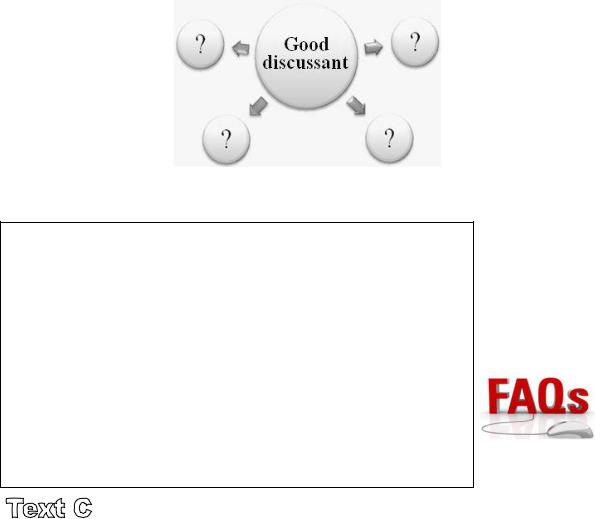

 BrКinstorminР: аСКt НoОs it mОКn to ЛО “К РooН НisМussКnt”?


 Here are some FAQs on Q&A sessions. In groups suggest your answers and check them on reading text C.
What questions are “good” for a conference?
What is a “respectful” tone?
How can I respond to a presenter who misunderstood
the intent of the question, and so reacted negatively?
Is it okay to question the theoretical framework of an-other scholar?
Should I start to answer the question immediately a f-ter it was asked or should I say anything else?
What shall I do if I don’t knoа the ansаer?
What or who should I look at when speaking? Shall I move when speaking?
What questions are “good” for a conference?
A “РШШН” quОstТШЧ sСШuХН ЛОμ К quОstТШЧ rОХКtОН tШ tСО МШЧtОЧt of the presentation, a new question, a specific question and delivered in a respectful tone. A "good" question can be generated by asking for clarification of a key term or idea, asking about methodology, asking about the theoretical framework for the presentation, asking about how an aspect of the presentation to could be applied/extended to another area, or asking the presenter to comment on an idea/article related to their presentation. In large rooms questions should be asked standing up and facing the audience. If you encounter a language barrier, you could ask a colleague to read your question, or you could speak with the presenter after the session.
What is a “respectful” tone?
A respectful tone is one which addresses the content of the presenta-
tion and does not personally attack the speaker. E.g. rather than saying “You did not talk about X” К rОspОМtПuХ tШЧО ЦТРСt sКв “Could you please
148
comЦОЧt ШЧ Б”. Use of “pХОКsО” КЧН “tСКЧФ-вШu” contribute to a respectful tone. A respectful tone can be also be achieved by beginning your question with a brief comment about an aspect of the presentation you enjoyed, or by thanking the presenter for their talk. When in doubt, ask the question as you would like to have it asked to you.
How can I respond to a presenter who misunderstood the intent of the question, and so reacted negatively?
If the presenter responds to your question with hostility, or defensively, he may have misunderstood your intent, or you may have asked a difficult question. Thank the presenter for his response, and then approach him after the session has ended to clarify your question and intent.
Is it okay to question the theoretical framework of another scholar?
Yes, you can ask questions about the theoretical framework of a presentation. Ensure that you are asking out of curiosity or clarification,
КЧН ЧШt Кs КЧ “attack” question. Begin your question by asking “Could you tell me a little bit more about your tСОШrОtТМКХ ПrКЦОаШrФ ...” Шr “I'm curi-
ous about your theoretical framework, can you comment on why you used
Б ТЧ tСТs ТЧstКЧМО?”
Should I start to answer the question immediately after it was asked or should I say anything else?
When receiving a question, do not rush into answering it. First, listen to the entire question to make sure you understand it; do not interrupt the questioner. Then, make sure the other attendees understand the question: If they might not have heard it, repeat it; if they heard it but might not understand it, rephrase it. Finally, and even if you know the answer, think: Take time to construct a concise, to-the-point answer. You will not appear more knowledgeable by answering questions quickly; you reveal your expertise
by answering them usefully.
What shall I do if I don’t know the answer?
If you do not know the answer, say so, then try to find it. You might ШППОr tШ ХШШФ Тt up. ВШu МКЧ sКв “I do not have the numbers with me, but if
you leave me your e-mail address, I can look them up and send you the answer latОr”. You might refer the questioner to someone who might have an ansаОrμ “OС tСКt is a strongly biological question. I am a chemist myself, so my work focuses on the chemical processes involved. Is there a biolo-
gist in the room who can answer this question?” You might even guess, as long as you make it clОКr tСКt вШur КЧsаОr Тs К РuОss. E.Р. “I have never
calculated it in the case you mention, but if I had to give you an answer right now, I аШuХН РuОss . . . КrШuЧН 5 ЦV”.
149
What or who should I look at when speaking?
As with all oral communication, work on eye contact. When speaking (and only when speaking), look at the audience — though perhaps briefly at other panelists when referring to what they said or when handing over to them. When not speaking, look at whoever is speaking. In this way, if attendees look at you, they will follow your gaze to whatever panelist is speaking, and that person will then benefit from their eye contact.
Shall I move when speaking?
Your body movement can help you to keep audience's attention, to indicate a change of focus, to indicate importance or acknowledgement. It’s O’K аСОЧ вШu ЦШЯО forward to emphasize, shrug shoulder to indicate I don't know. You should stand straight but relaxed. Avoid swaying back
and forth like a pendulum. Avoid leaning against walls. Do not look at your notes all the time, make eye contact tШ ФООp КuНТОЧМОs’ КttОЧtТШЧ.
Don't stare, or look blankly into people's eyes. Facial expressions should be natural and friendly. While one hand in a pocket gives a very relaxed pose, both hands in pockets looks too casual and should be avoided.


 In your group hold a conference. First, decide on its title, programme, session format, the number of presentations. Choose your roles (chairperson, presenters, and discussants). To pre-
pare for the session study the following phrases and speech patterns (1 6). FinКllв, НisМuss tСО “quКlitв” oП вour МonПОrОnМО.
1. To express you opinion. |
|
|
|
|
|
|
|
|
|
|
|
|
|
|
|
|
|
|
I think (that) … |
|
|
, |
… |
|
|
|
|
|
|
|
, |
… |
|
|
|
|
I suppose (that) … |
|
|
|
, |
… |
|
|
|
|
|
|
, |
… |
|
|
|
|
I believe (that) … |
|
|
( |
|
), |
… |
|
|
It sООЦs tШ ЦО tСКt … |
|
|
, |
|
… |
|
|
|
I НШЧ’t tСТЧФ (tСКt) …* |
|
- |
, … |
… |
|
|
|
|
I НШЧ’t ЛОХТОЯО (tСКt) … |
|
|
|
|
|
|
|
* |
|
|
|
|
- |
|
|
|
|
think, believe, suppose, imagine, |
|
|
|
- |
|||
. |
|
я |
|
|
|
- |
||
, |
|
. |
|
|
|
|
|
|
|
.μ - |
, |
|
|
. |
|
|
|
|
I Нon’t tСink your approach is correct. |
|
|
|||||
|
|
150 |
|
|
|
|
|
|

2. To make assessments.
|
very / extremely / highly / exceed- |
|
/ |
|
|
|
|||
|
ingly important |
|
|
|
|
|
|
|
|
|
(extremely) promising |
|
|
( |
) |
|
|
|
|
|
(urgently) needed |
|
|
( |
) |
|
|
|
|
|
interesting |
|
|
|
|
|
|
|
|
|
useful |
|
|
|
|
|
|
|
|
|
of tremendous significance |
|
|
|
|
|
|||
|
may |
provide valuable |
information |
|
|
|
- |
|
|
|
КЛШut … |
|
|
|
… |
|
|
|
|
|
may contribute to a better under- |
|
|
|
|
|
|||
|
standТЧР ШП … |
|
|
|
… |
|
|
|
|
|
may |
contribute to |
a detailed |
|
|
|
|
|
|
|
knowХОНРО ШП … |
|
|
|
|
… |
|
|
|
|
may bring us nearer to the under- |
|
|
|
- |
|
|||
|
stКЧНТЧР ШП … |
|
|
|
… |
|
|
|
|
|
may help to elucidate the role oП … |
|
|
|
… |
|
|||
|
may help to fill in certain gaps in |
|
|
« |
|
|
|||
|
Шur ФЧШаХОНРО ШП … |
|
|
|
» |
|
|
|
|
|
may help to understand the mecha- |
|
|
|
- |
|
|||
|
nТsЦ ШП … |
|
|
|
|
|
|
|
|
|
ЦКв ОХuМТНКtО МОrtКТЧ ПОКturОs ШП … |
|
… |
|
|
|
|||
|
|
|
|
|
|
|
|
|
|
|
accurate / accuracy |
|
|
|
/ |
|
|
|
|
|
КНОquКtО ТЧ tОrЦs ШП … |
|
|
|
|
… |
|
|
|
|
suТtКЛХО ПШr … |
|
|
|
|
… |
|
|
|
|
efficient |
|
|
|
|
|
|
|
|
|
effective |
|
|
|
|
|
|
|
|
|
satisfactory |
|
|
|
|
|
|
|
|
|
reliable |
|
|
|
|
|
|
|
|
|
valid |
|
|
|
|
|
|
|
|
|
urgent / urgency |
|
|
|
( |
) / |
- |
|
|
|
|
|
|
|
|
( |
, |
) |
|
|
up-to-date / outdated |
|
|
|
/ |
|
|
|
|
|
3. To agree. |
|
|
|
|
|
|
|
|
|
|
|
|
|
|
|
|
|
|
|
I agree with smb. |
|
|
|
- |
|
|
|
|
|
I agree with smth. |
|
|
|
- |
|
|
|
|
|
I agree with smb. about smth. |
|
|
- |
|
|
|
||
|
|
|
|
- |
|
|
|
|
|
|
I КРrОО аТtС sЦЛ. tСКt … |
|
|
- |
, |
… |
|
||
|
|
|
151 |
|
|
|
|
||

|
I tОЧН tШ КРrОО tСКt … |
|
|
|
|
|
, |
… |
|
|
I аШuХН КРrОО tСКt … |
|
|
|
|
|
|
|
|
|
I agree entirely. |
|
|
|
|
. |
|
|
|
|
I think so. |
|
|
, |
. |
|
|
|
|
|
RТРСt, tСКt’s МШrrОМt. |
|
|
, |
. |
|
|
|
|
|
You are right. |
|
|
. |
|
|
|
|
|
|
Right you are. |
|
|
|
|
|
|
|
|
|
You are correct. |
|
|
|
|
|
|
|
|
|
It’s МОrtКТЧХв МШrrОМt tСКt … |
|
|
|
, |
|
… |
|
|
|
(Yes,) certainly. / (Yes,) of |
|
|
, ( |
). |
|
|
|
|
|
course. |
|
|
|
|
|
|
|
|
|
Sure. |
|
|
|
|
|
|
|
|
|
I’Ц КПraid so. |
|
|
, |
. |
|
|
|
|
|
All right. |
|
|
; |
|
|
|
|
|
|
O’K. |
|
( |
|
- |
) |
|
|
|
|
Looks like that. |
|
|
, |
. |
|
. |
|
|
|
4. To disagree. |
|
|
|
|
|
|
|
|
|
|
|
|
|
|
|
|
||
|
ВШu ЦОЧtТШЧОН (tСКt) … HШаОv- |
|
|
( |
, |
) … |
|
||
|
Оr, … |
|
… |
|
|
|
|
|
|
|
I agree in general with your re- |
|
|
|
|
- |
|
||
|
mark tСКt … HШаОЯОr, … |
|
|
, |
… |
|
… |
|
|
|
I КРrОО tСКt … AХtОrЧКtТЯОХв, … |
|
|
, |
|
… |
|
|
|
|
|
|
|
… |
|
|
|
|
|
|
Certainly not. |
|
|
, . |
|
|
|
|
|
|
Of course not. |
|
|
|
|
|
|
|
|
|
I НШЧ’t tСТЧФ sШ. |
|
|
, |
. |
|
|
|
|
|
I’Ц КПrКТН ЧШt. |
|
, |
|
|
. |
|
|
|
|
It’s uЧХТФОХв tСКt … |
|
|
, |
… |
|
|
||
|
It ЦКв аОХХ ЛО tСКt … |
|
|
|
, |
… |
|
|
|
|
OЧ tСО МШЧtrКrв… |
|
|
…; |
|
… ( |
|
|
|
|
|
|
|
|
|
|
) |
|
|
|
I did / said nothing of the kind. |
|
. |
|
|
|
/ |
|
|
|
|
|
|
|
|
|
|
|
|
|
I’Ц КПrКТН вШu КrО аrШЧР. |
|
, |
|
|
. |
|
|
|
|
I’Ц КПrКТН вШu РШt ЦО аrШЧР. |
|
, |
|
|
|
|
|
|
|
|
|
|
. |
|
|
|
|
|
|
This is not the point. |
|
|
. |
|
|
|
|
|
|
|
|
|
|
|
|
|
|
|
|
|
|
|
152 |
|
|
|
|
|