Материал: Банкова ПРАЦТИЦЕ МАКЕС ПЕРФЕЦТ ПРЕСЕНТ ФОРМС 2015
3.The men _____________from Moscow.
4.I _________ready yet.
5.That woman __________come from Europe.
6.The children ___________ in the room.
7.Those people ___________like coffee.
8.Miss Smith ___________a student here.
9.Mr. and Mrs. Brown _________study English.
10.The money__________ on the table now.
11.That student ___________ know the answer.
12.You_________ from England.
13.We_________ know that word.
14.Mr. Brown___________ busy today.
15.Charles________ work in that store.
16..... |
The girls __________in the front room. |
|
17.... |
She __________have a new car. |
|
18.... |
They __________ spend very much money. |
|
19.... |
The words on the page ___________difficult. |
|
20.... |
We________ have many friends yet. |
|
10. Change these statements to questions. |
||
They like coffee .......................... |
Do they like coffee? .................. |
|
1.The boy knows the answer .................................................
2.The boys work in a store....................................................
3.You know many new words ...............................................
4.John studies very hard........................................................
5.They go to school every day...............................................
6.She asks many questions ....................................................
7.They spend much money ...................................................
8.Mr. Brown speaks very fast.................................................
9.You understand the lesson..................................................
10.They write many letters ......................................................
11.He knows many English words...........................................
12.Mary speaks Spanish well...................................................
13.The boys like coffee ...........................................................
14.The women come from Europe ..........................................
15.Mr. Brown teaches English .................................................
11
16.The new student is smart.....................................................
17.Helen lives in New York.....................................................
18.English is an easy language.................................................
19.The men speak French........................................................
20.That's a new rug. ......................................……………….
21.Those people like this country ...........................................
22.That tall boy is an American ................................................
23.Mary and Helen are students here........................................
24.That student studies every day .............................................
25.The English book is interesting...........................................
26.The baby cries very much....................................................
27.The pretty girl is from Brazil................................................
28.This seems very difficult ....................................................
29.He writes letters every day ..................................................
30.Charles speaks Portuguese ...................................................
31.They go there every year.....................................................
32.It's an interesting story........................................................
11. Change these statements to negatives.
I know that word ................................ |
I don't know that word ........ |
1.He understands that lesson....................................................
2.They go to school every day..................................................
3.She asks many questions......................................................
4.Frank writes many letters......................................................
5.The men come from Brazil...................................................
6.The tall woman speaks very fast ...........................................
7.That boy works very hard ....................................................
8.I study the lesson every day..................................................
9.Those people like coffee ......................................................
10.I speak French well..............................................................
11.Those boys live in Chicago...................................................
12.Mr. Smith teaches English.....................................................
13.We know many English words..............................................
14.John and Frank have many friends.........................................
15.They spend much money ......................................................
16.The box is very heavy ...........................................................
12

17.She studies every afternoon ...................................................
18.The tall student is from Spain ................................................
19.He speak that language..........................................................
20.That's an old church .............................................................
21.Mr. Brown works very hard...................................................
22.The girls are in the front room ...............................................
23.The new students understand this...........................................
24.That woman is an American..................................................
25.Mr. Brown flies to England every year...................................
26.The English book is on the table ............................................
27.I work in a big store. ............................................................
28.The red pencils are in the drawer ...........................................
29.We need money....................................................................
30.Mary has a new dress............................................................
31.They're from South America .................................................
32.She likes that class very much ..............................................
Unit 2
Present Continuous
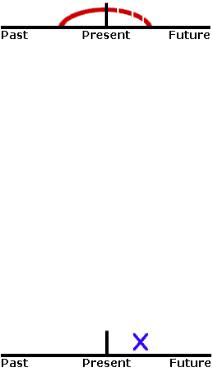
USE 1 – Now
Use the Present Continuous with Normal Verbs* to express the idea that something is happening now, at this very moment. It can also be used to show that something is not happening now.
*Normal Verbs are usually physical actions which you can see somebody doing. These verbs (to run, to walk, to eat, to fly, to go, to say, to touch, etc.) can be used in all tenses.
Analyze the examples:
•You are learning English now.
•You are not swimming now.
13
•Are you sleeping?
•Is he sitting or standing?
•They are reading their books.
•They are not watching TV.
•What are you doing?
•Why aren't you doing your homework?
USE 2 – Longer Actions in Progress Now
In English, «now» can mean: this second, today, this month, this year, this century, and so on. Sometimes, we use the Present Continuous to say that we are in the process of doing a longer action which is in progress; however, we might not be doing it at this exact second.
Analyze the examples: (All of these sentences can be said while eating dinner in a restaurant.)
•I am studying to become a doctor.
•I am not studying to become a dentist.
•I am reading the book Tom Sawyer.
•I am not reading any books right now.
•Are you working on any special projects at work?
•Aren't you teaching at the university now?
USE 3 – Near Future
Sometimes, speakers use the Present Continuous to indicate that something will or will not happen in the near future.
Analyze the examples:
•I am meeting some friends after work.
•I am not going to the party tonight.
14

•Is he visiting his parents next weekend?
•Isn't he coming with us tonight?
USE 4 – Repetition and Irritation with «Always»
The Present Continuous with words such as «always» or «constantly» expresses the idea that something irritating or shocking often happens. Notice that the meaning is like the Present Simple, but with negative emotion. Remember to put the words «always» or «constantly» between «be» and «verb+ing».
Analyze the examples:
•She is always coming to class late.
•He is constantly talking. I wish he would shut up.
•I don't like them because they are always complaining.
NB! ADVERB PLACEMENT
The examples below show the placement for grammar adverbs such as: always, only, never, ever, still, just, etc.:
•You are still watching TV.
•Are you still watching TV?
ACTIVE / PASSIVE
Analyze the examples:
•Right now, Tom is writing the letter. ACTIVE
•Right now, the letter is being written by Tom. PASSIVE
1.Определите видовременную форму, объясните ее использование.
1.Он работает преподавателем. Преподает физику в школе.
2.Она всегда опаздывает на работу и заставляет своих коллег нервничать.
3.Сегодня к нам приходят в гости Петровы.
4.За деньги не купишь дружбу и любовь.
15