Материал: Искусство дизайна. основные направления. Крячко Л.Н
IV. Правильно ли выбраны формы глаголов в следующих предложениях? Почему?
1. Look! Somebody is climbing up that tree over there. 2. Can you hear those people? What do they talk about? 3. Are you believing in God? 4. Look! That man tries to open the door of your car. 5. The moon goes round the earth. 6. I’m thinking it would be a good idea to leave early. 7. The Government is worried because the number of people without jobs is increasing. 8. I’m usually going to work by car.
V. Заполните пропуски глаголами в нужной форме.
1. We … (have) a party next Saturday. Would you like to come? 2. I … (not/go) away for my holidays next month because I haven’t got enough money. … (you/go) away? 3. The concert this evening … (start) at 7.30. 4. George, is it true that you … (get) married next week? 5. The art exhibition … (open) on 6 June and (finish) on 1 August. 6. What time …. (the train to London/leave)? Ann, we … (go) to town. … (you/come) with us?
VI. Поставьте глаголы в скобках в нужную форму Present Continuous или
Present Simple.
A: Carlos 1) … (fly) to Italy next week.
B: Where 2) … (he usually/stay)?
A: When he 3) … (go) there, he 4) … (always/stay) with his cousin.
B: Why 5) … (he/go) there?
A: He 6) … (study) at University.
B: 7) … (he/come) back to England?
A: Yes, after he 8) … (finish) his exams next month.
УРОК 3 LESSON THREE
Фонетика: Повторение чтения буквы “o”.
Грамматика: .Future Simple Tense.
Тема: Прикладное искусство. Коммуникационный дизайн. Applied Arts.
Communication Design.
Предтекстовые задания
I. Прочитайте слова со следующими звуками.
[Ou] – zone, slope, motor, stone, cold, hold.
[L] – or, for, form, order, support.
[O] – borrow, from, cross, top, cost.
II. Запомните слова, необходимые для понимания текста.
aesthetics, n [I:s`TetIks] – эстетика
sensibilities, n [ˎsensI`bIlItIz] – восприятие
overlap, n [quvq`lxp] - наложение, нахлестка
posters, n [`pqustqz] – пакаты, афиши
advertisements, n [qd`vWtIsmqnts] – рекламные тексты, объявления
intermission, n [ˏIntq`mISqn] – пауза, перерыв ( в вещании)
crafted, p.p. [`krRftId] – созданный мастером, художником
media, n [`mJdjq] - средства, способы
aside from, adv [q`saId] – помимо
impact, n [`Impxkt] – влияние, воздействие
typography, n [taI`pOgrqfI] – печать и оформление книг
ambient media [`xmbIqnt] – эмбиент медиа – одно из наиболее стремительно развивающихся направлений в рекламе. Спустя десятилетие, к эмбиенту относят все нетрадиционные, небанальные, незанятые, очень часто интегрированные в окружающую среду рекламоносители, будь это борт Международной космической станции или дно лунки для гольфа.
bottom line – чистый доход
III. Переведите предложения на английский язык. Английские эквиваленты слов и словосочетаний, выделенных курсивом, вы сможете найти в предыдущем задании.
1. Все стены маленькой комнаты были увешаны афишами. 2. Я просмотрел рекламные объявления в газете. 3. Благодаря средствам массовой информа- ции мы узнаем новости очень быстро. 4. Сколько составил чистый доход ком пании за прошлый год? 5. Помимо английского он изучает немецкий.
Чтение и перевод текста
Applied Arts
A
 pplied
art is the
application of design
and aesthetics
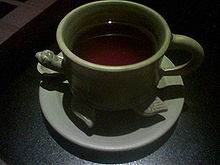
to objects of function and everyday use (for example: a cup figuring
a tortoise).
Whereas fine
arts
serve as intellectual stimulation to the viewer or academic
sensibilities as well as produced or intended primarily for beauty;
the applied arts incorporate design and creative ideals to objects of
utility, such as a cup, magazine or decorative park bench. There is a
considerable overlap between this field and that of the decorative
arts;
to some extent they are alternative terms.
pplied
art is the
application of design
and aesthetics
to objects of function and everyday use (for example: a cup figuring
a tortoise).
Whereas fine
arts
serve as intellectual stimulation to the viewer or academic
sensibilities as well as produced or intended primarily for beauty;
the applied arts incorporate design and creative ideals to objects of
utility, such as a cup, magazine or decorative park bench. There is a
considerable overlap between this field and that of the decorative
arts;
to some extent they are alternative terms.
The fields of industrial design, graphic design, fashion design, interior design, decorative art and functional art are altogether considered applied arts. In a creative and/or abstract context, the fields of architecture and photography are considered applied arts. Many applied art objects are collected, for instance ceramics, textiles, jewelry, glass, furniture, children's toys, cars, electric guitars, as well as various forms of images produced in commercial contexts, such as film posters or old advertisements.
Communication Design
Communication design is a mixed discipline between design and information-development which is concerned with how media intermission such as printed, crafted, electronic media or presentations communicate with people. A communication design approach is not only concerned with developing the message aside from the aesthetics in media, but also with creating new media channels to ensure the message reaches the target audience. Some designers use graphic design and communication design interchangeably.
Communication design can also refer to a systems-based approach, in which the totality of media and messages within a culture or organization are designed as a single integrated process rather than a series of discrete efforts.
Communication design seeks to attract, inspire, create desires and motivate the people to respond to messages, with a view to making a favorable impact to the bottom line of the commissioning body, which can be either to build a brand, move sales, or for humanitarian purposes. Its process involves strategic business thinking, using market research, creativity, and problem-solving.
The term communication design is often used interchangeably with visual communication, but has an alternative broader meaning that includes auditory, vocal, touch and smell. Examples of communication design include information architecture, editing, typography, illustration, web design, animation, advertising,
ambient media, visual identity design, performing arts, copywriting and professional writing skills applied in the creative industries.
Послетекстовые задания
I. Дайте объяснения следующим интернациональным терминам.
Communication, electronic presentation, audience, channel, integrated, motivate, series, discrete, brand, humanitarian, strategic, business, market, creativity, visial, alternative, auditory, vocal, animation, copywriting, academic, interior, abstract, ceramics.
II. Выберите прилагательные, которые могут сочетаться со следующими существительными:
A |
B |
art(s) |
performing, fine, applied, intellectual, academic, decorative, considerable, functional, abstract, commercial, creative |
advertisement |
commercial, creative, alternative, business, vocal, visual, professional, graphic, printed, mixed, strong |
media |
beautiful, mass, electronic, ambient |
III. Поместите следующие термины в соответствующие колонки.
Industrial design, decorative art, decorative art bench, glass, a cup figuring a tortoise, advertising, photography, textile, information architecture, copywriting, a magazine, web design, cars, children’s toys, animation, ceramics, performing arts, typography, graphic design, furniture, fashion design, editing, functional art, jewelry, illustration, interior design, electric guitars, visual identity design, architecture.
Applied arts |
Applied arts objects |
Decorative art bench |
|
|
|
|
|
|
IV. Составьте предложения со следующими словами:
1. Applied, of, objects, is, application, arts, of, function, the, and, aesthetics, to, design.
2. Applied, are, arts, arts, and, terms, decorative, alternative.
3. Many, are, arts, collected, applied, objects.
4. Communication, is, intermission, with, with, design, concerned, people, how, communicate, media.
Communication, to, to, to seeks, people, design, motivate, respond, messages, the.
Грамматические упражнения
I. Заполните пропуски формами will/’ll and won’t.
1. A: I want to go camping next weekend at Blue Bird Lake.
B: Who … drive you there?
A: Tom’s mother.
B: Alright. But you … be careful, … you?
2. A: I need to go shopping.
B: OK, I … give you a lift.
A: That would be great. It … take me long, so afterwards we … have time to go for lunch.
B: That sounds wonderful!
3. A: There’s something wrong with Rocky.
B: Oh, poor thing. I … take him to the vet.
A: I … go with you. He … bark if I’m not there.
B: I hope he … bite the vet!
4. A: I think I … a barbecue at the weekend.
B: That’s a good idea. Who … you invite?
A: I don’t know yet. …. you help me make a list?
B: Of course.
II. Используя подсказки постройте предложения в Future Simple или Present Continuous (be going to).
1. A: Look at the little boy!
B: He /fall/swimming pool. (He’s going to fall into the swimming pool).
2. A: It’s cold in here.
B: I/turn on/heat.
3. A: Mum, I’m hungry.
B: I/make/you/a sandwich.
4. A: What are Maggie’s plans for the summer?
B: She/travel/Italy.
5. A: Jimmy didn’t study hard for his history exam.
B: He/not pass/it.
6. A: I have a headache.
B: I/turn off/CD player.
7. A: Dad, I don’t feel well.
B: I/take/you/doctor.
8 A: Are you coming to Maria’s party?
B: Yes, I/take/Jim/with me.
III. Поставьте глагол в скобках в нужную форму Future Simple или Present Continuous (be going to).
1. A: The doctor won’t be in tomorrow.
B: I … (visit) him today, then.
2. A: It’s very cold in here.
B: Really? I … (close) the window.
3. A: Can I watch TV?
B: No, we … (leave) soon.
4. A: Look at those dark clouds!
B: Oh no! It …. (rain) again.
5. A: We forgot to call the repairman.
B: That’s okay. I … (call) him tomorrow.
6. The repairman … (come) to fix the washing machine tomorrow.
7. A: I’m cold.
B: I … (get) you an extra blanket.
8. … (you/drive) me to the airport on Tuesday?
9. Rachel … (fly) to the Bahamas next week.
10. My son … (be) five in August.
11. She … (have) lunch with Doug this afternoon.
12. … (you/do) the washing-up please?
13. Rob and Molly … (celebrate) their wedding anniversary on Sunday.
14. When … (the Greens/leave) for Lima?
15. People … (live) in underwater cities in the future.
УРОК 4 LESSON FOUR
Фонетика: Повторение чтения букв “g” и “c”.
Грамматика: Время Past Simple Tense.
Тема: Архитектура. Architecture.
Предтекстовые задания
I. Прочитайте слова со следующими звуками.
[g] – grub, grader, aggregate, ground, subgrade, guide.
[G] – hydrological, carriageway, drainage, energy, original.
[k] – construct, factor, close, compaction, called, locate, cutting.
[s] – necessary, socialist, efficient, especially.
II. Запомните слова, необходимые для понимания текста.
perceive, v [pW`sJv] – воспринимать
ambience, n [`xmbIqns] – атмосфера, окружение
manipulation, n [mq͵nIpju`leISqn] обращение
coordination, n [kou͵LdI`neiSqn] – согласование
encompasse, v [In`kAmpqs] – включать в себя
robustly, adv [rqu`bAstlI] –крепко, прочно
promote, v [prq`mqut] – выдвигать
overriding, a [͵quvq`raIdIN] – основной
precept, n [`prJsept] – правило
notion, n [`nquSqn] – идея, мнение
perception, n [pq`sepSqN] – восприятие
III. Переведите с английского на русский язык
1. We perceive by means of the kaleidoscopic mirror of this life. 2. This book on English grammar encompasses all irregular verbs. 3. He was robustly built. 4. He was promoted to senior editor. 5. The marketing department is busy promoting the new line of men's clothes for fall. 6. The island is being promoted as a destination for romantic getaways. 7. The ambience of a tropical island is something special. 8. Budgetary concerns overrode all other considerations. 9. Too many existing classes for young children have this overriding goal: To get the children ready for the first grade. This goal is unworthy. It is hurtful. This goal has had the most distorting impact on five-year-olds. 10. I was taught by precept and by example. 11. He has some pretty strange notions. 12. She had a vague notion about what happened. 13. The study disproves any notion that dolphins are not intelligent. 14. She had a notion to try skydiving. 15. It is ironic that the impact of smoking on nonsmokers, rather than on smokers themselves, is what finally transformed the regulation and cultural perception of the cigarette.