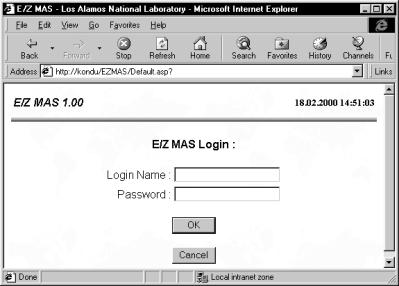
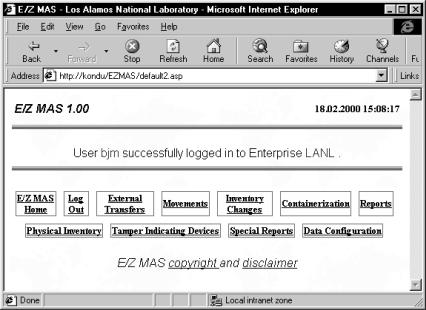
The system has one uncertified component, the MS Access DBMS, which limits, mostly, its applicability. To be recertified, the system is being given a profound upgrade based on open-code base software.
To finalize this chapter on computerized NM A&C systems, we shall discuss how such systems are developed and commissioned and the whole process is regulated.
7.5. Development of computerized NM A&C systems
A study of computerized NM A&C systems has one important point to consider. This is about how a software product is being built throughout the series of phases, from the inception to the commercial implementation. In this respect, it is not only the system creation procedures that matter but also the documentation that becomes required.
Russian standards are fairly regulatory in this regard. The USA, with a much greater experience in establishing large software projects than Russia, has however in effect diverse procedures and techniques to plan, design, test and commission software. Software development concepts and methods demand a separate consideration, so these will be overviewed in brief further in this Chapter with some guidance provided.
Industry standard’s requirements to development, commissioning and operation procedures
The respective industry standard [1] identifies a number of phases involved in creation of A&C systems. The initial one is the predesign stage opened with a site survey. This needs a feasibility study and an analytical (data security) justification to be prepared for the A&C system development. A design specification is developed with well-defined information protection requirements included.
Next comes the design. The final step in this is the detail design, including organizational and technological concepts, software development, and data protection provisions and practices. All concepts accepted are to satisfy to the regulations and requirements of standards and the design specification requirements.
The hardware and software designed need to go through a series of tests. Hardware:
∙tests for functionality in the installing site’s environment;
∙tests for conformity to data security requirements.