Материал: part16
Page 106 |
DICOM PS3.16 2020a - Content Mapping Resource |
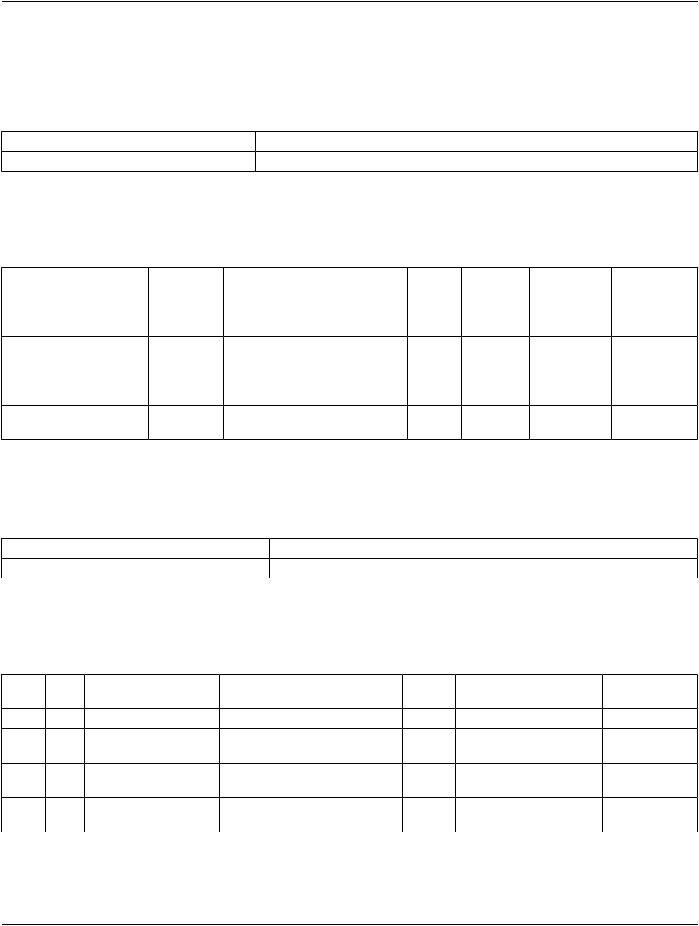
TID 311 Measurement Statistical Properties
This Template provides the statistical properties of a reference population for a numeric measurement, and/or the position of a measurement in such a reference population.
|
|
Table TID 311. Parameters |
|
|
|
|
Parameter Name |
|
Parameter Usage |
|
|||
$RefAuthority |
|
Bibliographicreferenceorauthorityforstatisticalpropertiesofareferencepopulation |
||||
Type: |
Extensible |
|
|
|
|
|
Order: |
Significant |
|
|
|
|
|
Root: |
No |
|
|
|
|
|
|
Table TID 311. Measurement Statistical Properties |
|
||||
NL |
Rel with VT |
Concept Name |
VM |
Req Type Condition |
Value Set |
|
|
Parent |
|
|
|
|
Constraint |
1 |
NUM |
DCID 221 “Measurement Range |
1-n |
M |
|
|
|
|
Concepts” |
|
|
|
|
2 |
TEXT |
EV (121405, DCM, "Population |
1 |
U |
|
|
|
|
description") |
|
|
|
|
3 |
TEXT |
EV (121406, DCM, "Reference |
1 |
UC |
XOR row 4 |
|
|
|
Authority") |
|
|
|
|
4 |
CODE |
EV (121406, DCM, "Reference |
1 |
UC |
XOR row 3 |
$RefAuthority |
|
|
Authority") |
|
|
|
|
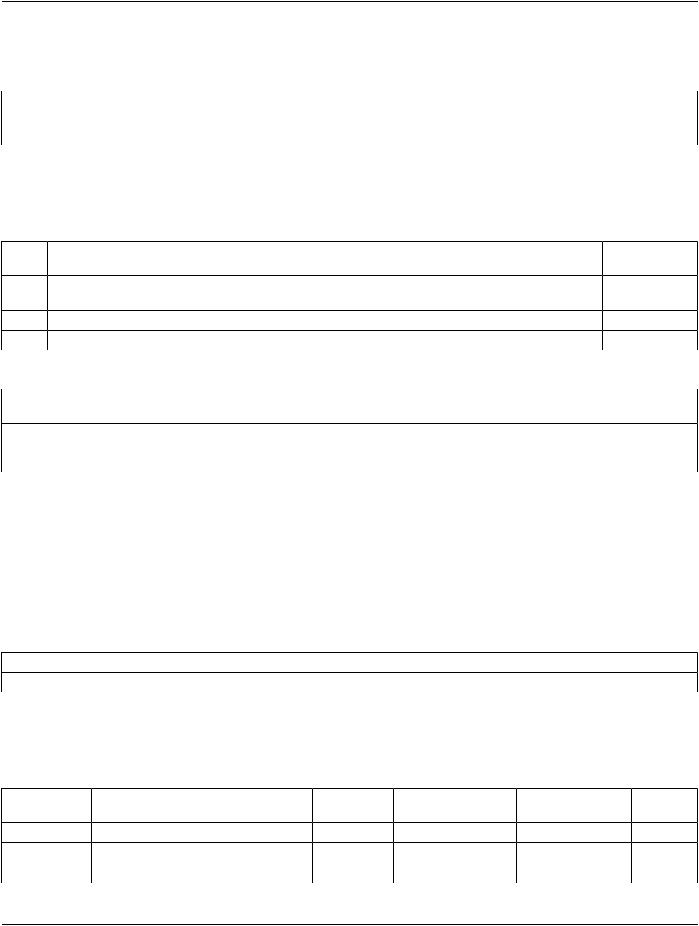
TID 312 Normal Range Properties
This Template provides the normal range of values for a numeric measurement.
|
|
Table TID 312. Parameters |
|
|
|
|
Parameter Name |
|
Parameter Usage |
|
|||
$RangeAuthority |
|
Bibliographic reference or authority for the normal range of the measurement |
||||
Type: |
Extensible |
|
|
|
|
|
Order: |
Significant |
|
|
|
|
|
Root: |
No |
|
|
|
|
|
|
|
Table TID 312. Normal Range Properties |
|
|
||
NL Rel with VT |
Concept Name |
VM |
Req Type Condition |
Value Set |
||
Parent |
|
|
|
|
|
Constraint |
1 |
NUM |
DCID223“NormalRangeValues” |
1-n |
M |
|
|
2 |
TEXT |
EV(121407,DCM,"NormalRange |
1 |
U |
|
|
|
|
description") |
|
|
|
|
3 |
TEXT |
EV(121408,DCM,"NormalRange |
1 |
UC |
XOR row 4 |
|
|
|
Authority") |
|
|
|
|
4 |
CODE |
EV(121408,DCM,"NormalRange |
1 |
UC |
XOR row 3 |
$RangeAuthority |
|
|
Authority") |
|
|
|
|
- Standard -
DICOM PS3.16 2020a - Content Mapping Resource Page 107
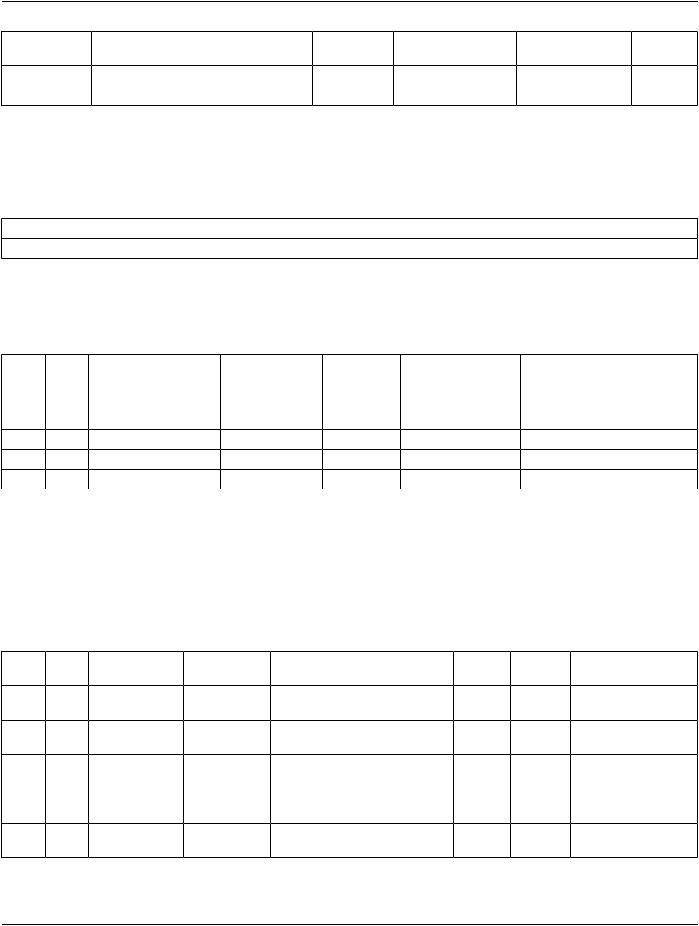
TID 315 Equation or Table
|
|
|
Table TID 315. Parameters |
|
|
||
|
Parameter Name |
|
Parameter Usage |
|
|||
$Equation |
|
Coded term or Context Group for the equation or table from which a measurement was |
|||||
|
|
|
derived or computed |
|
|
|
|
Type: |
|
Extensible |
|
|
|
|
|
Order: |
|
Significant |
|
|
|
|
|
Root: |
|
No |
|
|
|
|
|
|
|
|
Table TID 315. Equation or Table |
|
|
||
|
NL |
Rel with Parent |
VT |
Concept Name |
VM |
Req TypeCondition Value Set |
|
|
|
|
|
|
|
|
Constraint |
1 |
|
|
CODE |
DCID228“Equation |
1 |
M |
$Equation |
|
|
|
|
or Table” |
|
|
|
2 |
> |
HAS PROPERTIES NUM |
|
1-n |
U |
|
|
3 |
> |
R-HAS PROPERTIESNUM |
|
1-n |
U |
|
|
Content Item Descriptions |
|
|
|
|
|
||
Row 2 |
The HAS PROPERTIES allows the specification of the numeric values used as input to the equation or table |
||||||
|
|
identified in Row 1. |
|
|
|
|
|
Row 3 |
The HAS PROPERTIES allows the specification by-reference of the numeric values used as input to the |
||||||
|
|
equation or table. This row is valid only in SOP Classes that permit the HAS PROPERTIES relationship |
|||||
|
|
by-reference. |
|
|
|
|
|
Note
For example, if Row 1 identifies a specific Body Surface Area equation, Rows 2 and 3 can be used to convey (by-value or by-reference) the Patient Height and Patient Weight numeric measurements used in the BSA computation.
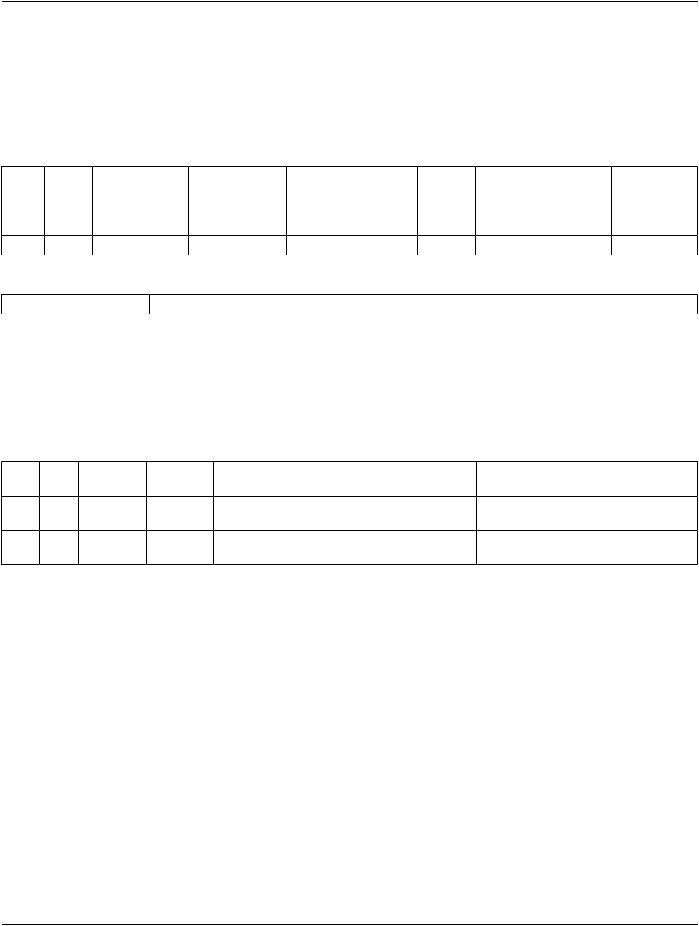
TID 320 Image or Spatial Coordinates
This Template provides a general structure for inference from an image, either as a whole, or with specific spatial coordinates, as a single included Template in the invoking Template. If allowed by the IOD, the Image Content Item may be included by-reference.
|
|
Table TID 320. Parameters |
|
|
||
Parameter Name |
|
|
Parameter Usage |
|||
$Purpose |
|
Purpose of Reference for an image used as a source of the measurement |
||||
Type: |
Extensible |
|
|
|
|
|
Order: |
Significant |
|
|
|
|
|
Root: |
No |
|
|
|
|
|
|
Table TID 320. Image or Spatial Coordinates |
|
||||
NL |
Rel with Parent |
VT |
Concept |
VM |
Req Type |
Condition Value Set |
|
|
|
Name |
|
|
Constraint |
1 |
INFERRED FROM |
IMAGE |
$Purpose |
1 |
MC |
XOR Rows 2, 3 |
2 |
R-INFERRED FROM |
IMAGE |
|
1 |
MC |
XOR Rows 1, 3 |
3 |
INFERRED FROM |
SCOORD |
$Purpose |
1 |
MC |
XOR Rows 1, 2 |
- Standard -
Page 108 |
DICOM PS3.16 2020a - Content Mapping Resource |
|
||||
|
NL |
Rel with Parent |
VT |
Concept VM |
Req Type |
Condition Value Set |
|
|
|
|
Name |
|
Constraint |
4 |
> |
SELECTED FROM |
IMAGE |
1 |
MC |
XOR Row 5 |
5 |
> |
R-SELECTED FROM IMAGE |
1 |
MC |
XOR Row 4 |
|
TID 321 Waveform or Temporal Coordinates
This Template provides a general structure for referencing a waveform, either as a whole, or with specific temporal coordinates, as asingleincludedTemplateintheinvokingTemplate.IfallowedbytheIOD,theWaveformContentItemmaybeincludedby-reference.
|
|
|
Table TID 321. Parameters |
|
|
||
|
Parameter Name |
|
|
Parameter Usage |
|||
$Purpose |
|
Purpose of Reference for a waveform used as a source of the measurement |
|||||
Type: |
|
Extensible |
|
|
|
|
|
Order: |
Significant |
|
|
|
|
||
Root: |
|
No |
|
|
|
|
|
|
|
Table TID 321. Waveform or Temporal Coordinates |
|||||
|
NL |
Rel with Parent |
VT |
Concept |
VM |
Req Type Condition Value Set |
|
|
|
|
|
Name |
|
|
Constraint |
1 |
|
INFERRED FROM |
WAVEFORM |
$Purpose |
1 |
MC |
XOR Rows 2, 3 |
2 |
|
R-INFERRED FROM WAVEFORM |
|
1 |
MC |
XOR Rows 1, 3 |
|
3 |
|
INFERRED FROM |
TCOORD |
$Purpose |
1 |
MC |
XOR Rows 1, 2 |
4 |
> |
SELECTED FROM |
WAVEFORM |
|
1 |
MC |
XOR Row 5 |
5 |
> |
R-SELECTED FROM WAVEFORM |
|
1 |
MC |
XOR Row 4 |
|
TID 350 References to Supporting Evidence
ThisTemplateprovidesreferencestosupportingevidenceintheformofDICOMcompositeobjects.Thisincludesreferencestoimages, spatial coordinates on images, and other composite objects, such as Structured Reports.
Type: |
Non-Extensible |
Order: |
Significant |
Root: |
No |
|
Table TID 350. References to Supporting Evidence |
|
NL Rel with Parent |
VT |
Concept Name |
VM |
Req TypeConditionValue Set |
|
|
|
|
|
|
|
Constraint |
1 |
|
IMAGE |
BCID 7003 “Diagnostic Imaging |
1-n |
U |
|
|
|
|
|
Report Purposes of Reference” |
|
|
2 |
|
SCOORD |
BCID 7003 “Diagnostic Imaging |
1-n |
U |
|
|
|
|
|
Report Purposes of Reference” |
|
|
3 |
> |
SELECTED IMAGE |
|
1 |
M |
|
|
|
FROM |
|
|
|
|
4 |
|
COMPOSITE DT (122073, DCM, "Current |
1-n |
U |
||
|
|
|
|
procedure evidence") |
|
|
5 |
> |
HAS CONCEPTCODE |
EV (121144, DCM, "Document |
1 |
U |
|
|
|
MOD |
|
Title") |
|
|
- Standard -
DICOM PS3.16 2020a - Content Mapping Resource |
Page 109 |
TID 351 Previous Reports
This general Template provides a means to reference previous structured reporting composite object instances.
Type: |
Extensible |
Order: |
Significant |
Root: |
No |
|
Table TID 351. Previous Reports |
NL |
Rel with Parent |
VT |
Concept Name |
VM |
Req TypeCondition Value Set |
|
|
|
|
|
Constraint |
1 |
CONTAINER |
EV (111549, DCM, |
1 |
M |
|
|
|
|
"Previous Reports") |
|
|
2 > |
CONTAINS COMPOSITE |
|
1-n |
M |
|
Content Item Descriptions |
|
|
|
|
|
Row 2 |
Concept Name may be the Root Concept Name (title) of a Structured Report composite object instance. |
||||
TID 400 Reference Location
This TID is a subset of the Reference Location Macro. See Section 10.27 “Reference Location Macro” in PS3.3.
Type: |
Extensible |
Order: |
Non-Significant |
Root: |
No |
Table TID 400. Reference Location
NL |
Rel with VT |
Concept Name |
VM Req TypeCondition Value Set Constraint |
||
|
Parent |
|
|
|
|
1 |
CODE |
EV (128772, DCM, |
1 |
M |
BCID 1001 “Anatomical |
|
|
"Reference Basis") |
|
|
Reference Basis” |
2 |
CODE |
EV (128773, DCM, |
1 |
M |
BCID 1010 “Reference |
|
|
"Reference Geometry") |
|
|
Geometry - Planes” |
TID 1000 Quotation
Unless otherwise specified, content in an SR tree is "directly" observed. When material is quoted (from a source that is either a doc- ument or something spoken), then it is necessary to specify:
•the fact that one is quoting
•who is doing the quoting
•the source of the quote
•who is being quoted, and who and what the quote is about
This Template establishes a mechanism for quoting by specifying:
•the fact that one is quoting, by the presence of the contents of the Template in the tree
•that the "observer context" above the invocation of this Template establishes who is doing the quoting
•the source of the quote, by the values of the Content Items in this Template
•who is being quoted, and who and what the quote is about, by the observation context that is established at the start of the quoted material
- Standard -

Page 110 |
DICOM PS3.16 2020a - Content Mapping Resource |
This Template may be invoked recursively, to nest quotes within quotes. In essence, the chain of who is quoting whom can be estab- lished by maintaining a "stack" of observer context.
If a dimension of observation context is the same in the quoted material as in the enclosing tree, then the observation context does notneedtoberespecified(e.g.,thequotemaybeaboutthesamesubjectorprocedure).Typically,theobservercontextwouldchange (unless one were quoting oneself).
In the case of quoting something that was spoken, the "observer" is the person speaking.
TID 1000 is attached using HAS OBS CONTEXT relationships to the top node of the material that is being quoted. The presence of the Quoted Source concept signals the fact that the material is quoted rather than directly observed.
Type: |
Extensible |
Order: |
Significant |
Root: |
No |
Table TID 1000. Quotation
|
NL Rel with Parent |
VT |
Concept Name |
VM |
Req |
Condition |
Value Set |
|
|
|
|
|
Type |
|
Constraint |
1 |
HAS OBS |
CODE |
EV (121001, DCM, |
1 |
M |
|
EV (121003, DCM, |
|
CONTEXT |
|
"Quotation Mode") |
|
|
|
"Document") |
|
|
|
|
|
|
|
EV (121004, DCM, |
|
|
|
|
|
|
|
"Verbal") |
2 |
HAS OBS |
COMPOSITEEV (121002, DCM, |
1 |
MC |
Required if quoted |
||
|
CONTEXT |
|
"Quoted Source") |
|
|
material source is |
|
|
|
|
|
|
|
a DICOM |
|
|
|
|
|
|
|
composite object |
|
3 |
HAS OBS |
INCLUDE |
DTID1001“Observation 1 |
M |
|
|
|
|
CONTEXT |
|
Context” |
|
|
|
|
TID 1001 Observation Context
Specifies attributes of observation context that may be defined, extended or replaced at any location in the SR tree.
This includes attributes that specify:
•who or what the observation is about ("subject context")
•what procedure the observation is about ("procedure context")
•who or what is making the observation ("observer context")
Establishing context includes two aspects of each dimension: identification and description (e.g., patient name and ID vs. patient's age, height or weight).
Whenever one dimension of context is changed or an attribute is added, all attributes of that dimension of context are "flushed", that is they need to be repeated in their entirety. For example, when the subject is changed from patient (name, id) to fetus (number), then the parameters of the patient are discarded. E.g., the patient's ID does not apply to the fetus.
"Extending" the same class and dimension of observation context isn't feasible, since one cannot "null out" or remove a previously set attribute. Any time a dimension of observation context is "replaced", any attributes that are unspecified remain unspecified (i.e., they are not inherited).
Type: |
Non-Extensible |
Order: |
Significant |
Root: |
No |
- Standard -