Материал: Uchebnik_dlya_sud_expertov
5..
1.When did the white-blue-red flag first appear in Russia?
2.What did it symbolize in the 18th century?
3.What was tricolor meant to symbolize in the 19th century?
4.When did Alexander II issue an order proclaiming a black-yellow-white banner?
5.How were colours interpreted during the last Russian Emperor’s reign?
6.What flag did the Russian Federation have after the October Revolution of 1917?
7.When did the old three-colour flag return as the national flag of the Russian Federation?
TEXT
STATE FLAG OF THE RUSSIAN FEDERATION
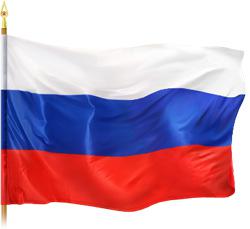
The white-blue-red flag with three equal horizontal stripes was approved by Peter the Great, who on January 20, 1705 ordered to hoist it on all Russian trade vessels sailing on Moskva, Volga and Dvina rivers.
The arrangement of the stripes has several interpretations. The white, blue and red, regarded from top to bottom, represented the three cardinal virtues of Faith, Hope and Love. At the same time, according to the Russian tradition, white colour meant nobility, blue – honesty, red – courage and love.
From the middle of the XIX century the three-colour flag gradually acquired the functions of the national symbol. Thus, in 1856, during the Paris Congress, while the peace treaty to end the Crimea war was being negotiated, the white-blue-red banner was used as the national flag of the Russian Empire. At that time the tricolor was meant to symbolize the unity of the three East Slavonic nations — Russian, Ukrainian and Byelorussian.
However, on June 11, 1858 Alexander II issued an order proclaiming a black-yellow-white banner to be the Russian national flag.
The matter was reconsidered by Alexander III, who in 1883 ordered, that “exclusively the Russian flag is to be used on ceremonial occasions”. And in 1896, on the eve of the coronation of the last Russian Emperor Nikolai II the white-blue-red banner gained an official status of the state flag. The white stripe was meant to symbolize freedom and independence, sky-blue was the colour of Holy Mother that protected Russia, and the red colour was thought to be a symbol of power and sovereignty.
After the October Revolution of 1917 the Soviet Red Banner replaced the Russian flag. The Russian Federation, as part of the USSR, had its own flag, similar to the Soviet flag – red with a thin blue vertical stripe, and a gold star, hammer and sickle in the upper left corner.
181
76 years later the old three-colour flag returned as the national flag of the Russian Federation. At first it was adopted by the Presidential Decree of December 11, 1993. Later the national flag was officially approved by the Federal Law of December 25, 2000.
6. , .
1. ___________ is a sign that shows what official or military rank someone has, or which group or organization he belongs to.
2.____________ is a narrow band of different colour or material.
3.____________ means to raise, lift or pull up something especially using ropes.
4.____________ means very important or basic.
5.____________ is an attempt to explain the reason for an event, a result, somebody’s action.
6.____________ is the ability to be brave when you are in danger, in pain or in difficult situa-
tion.
7.____________ is a formal agreement between two or more countries or governments.
8.____________ means complete freedom and power.
9.____________ is a tool with blade in the shape of a hook used for cutting wheat or long grass.
10.___________ is a tool with a heavy metal part on a long handle used for hitting nails into
wood.
7. , , -
.
1705 |
|
1917 |
1896 |
1856 |
|
||
|
|
|
1993 |
|
1883 |
2000 |
|
1858 |
|
|
|
|
|
8. . ,
.
Models:
I’m of the same opinion - 6 .
I quite agree here - 6 & . Far from it - !
On the contrary – , ! ( ). I object to it - 6 #.
182
1.The white-blue-red flag with three equal horizontal stripes was approved by Catherine the Great in 1649.
2.The arrangement of the stripes has five interpretations.
3.In the 16th century, under Ivan the Terrible, the three colour flag acquired the function of the national symbol.
4.The white-blue-red banner was used as the national symbol of the Russian Empire.
5.After the victory over Napoleon Alexander I issued an order proclaiming a black-yellow- white banner to be the Russian national flag.
6.On the eve of the coronation of the Russian Emperor Nikolai II the white-blue-red banner gained an official status of the state flag.
7.The white stripe was meant to symbolize freedom and independence, sky-blue was the colour of Holy Mother that protected Russia, and the red colour was thought to be a symbol of power and sovereignty.
8.After 1917 the Russian Federation, as part of the USSR, had its own flag, similar to the Soviet flag.
9.The national flag was officially approved by the Federal Law of December 26, 2001.
9.$ Complex Subject. -
.
In 1766 Catherine the Great called Legislative Commission. The aim of the Commission was reported to codify and modernize Russian law and life. Although she had no desire to grant her subjects a constitution, ‘the Nakaz’ or ‘Instruction’, which she prepared for Legislative Commission seemed to be a liberal document. Catherine the Great was known to have been inspired by the jurist Enlightenment, particularly by Montesquieu and Baccaria. She followed Baccaria’s treatise “Crime and Punishment”, thus “the ‘Instruction’ denounced capital punishment as well as torture, argued for crime prevention”. The ‘Instruction’ is sure to have produced a strong impression in a number of European countries and it was banned in France.
10. , $# Complex
Subject.
1. |
, 2 . |
2. |
, $ " . % |
|
I , & $ - |
|
, , $ , $ &$ . |
3. |
& , I " 2, #- |
&.
4.@, I & ! 1724 .
5., I $ : , $ &.
183

11. , ! ! .
$ ( , # ), , ", , $, , ,$, &, , # $ ".
c |
o |
p |
k |
y |
t |
i |
r |
u |
t |
a |
n |
o |
b |
i |
l |
i |
t |
y |
l |
r |
|
|
|
|
|
|
|
|
|
|
|
|
|
|
|
|
|
|
|
|
|
|
|
|
|
|
|
|
|
|
|
|
|
|
|
|
|
|
|
|
|
|
u |
y |
u |
t |
t |
s |
q |
x |
r |
r |
w |
u |
|
c |
j |
k |
v |
o |
z |
n |
u |
|
|
|
|
|
|
|
|
|
|
|
|
|
|
|
|
|
|
|
|
|
|
|
|
|
|
|
|
|
|
|
|
|
|
|
|
|
|
|
|
|
|
s |
h |
i |
n |
s |
a |
l |
a |
e |
e |
e |
l |
h |
a |
b |
l |
e |
a |
f |
y |
l |
|
|
|
|
|
|
|
|
|
|
|
|
|
|
|
|
|
|
|
|
|
|
|
|
|
|
|
|
|
|
|
|
|
|
|
|
|
|
|
|
|
|
t |
o |
l |
s |
e |
a |
e |
v |
b |
a |
c |
i |
e |
r |
s |
e |
r |
k |
a |
p |
e |
|
|
|
|
|
|
|
|
|
|
|
|
|
|
|
|
|
|
|
|
|
|
|
|
|
|
|
|
|
|
|
|
|
|
|
|
|
|
|
|
|
|
o |
i |
p |
x |
n |
a |
n |
k |
i |
t |
t |
e |
n |
d |
t |
s |
t |
k |
c |
l |
s |
|
|
|
|
|
|
|
|
|
|
|
|
|
|
|
|
|
|
|
|
|
|
|
|
|
|
|
|
|
|
|
|
|
|
|
|
|
|
|
|
|
|
m |
s |
v |
g |
o |
n |
p |
k |
r |
y |
f |
n |
o |
i |
o |
a |
u |
r |
g |
b |
o |
|
|
|
|
|
|
|
|
|
|
|
|
|
|
|
|
|
|
|
|
|
|
|
|
|
|
|
|
|
|
|
|
|
|
|
|
|
|
|
|
|
|
g |
t |
c |
l |
h |
q |
u |
i |
c |
f |
u |
n |
m |
a |
c |
r |
e |
s |
h |
y |
i |
|
|
|
|
|
|
|
|
|
|
|
|
|
|
|
|
|
|
|
|
|
|
|
|
|
|
|
|
|
|
|
|
|
|
|
|
|
|
|
|
|
|
n |
i |
i |
a |
t |
e |
r |
p |
r |
b |
t |
n |
i |
l |
e |
a |
w |
r |
a |
i |
l |
|
|
|
|
|
|
|
|
|
|
|
|
|
|
|
|
|
|
|
|
|
|
|
|
|
|
|
|
|
|
|
|
|
|
|
|
|
|
|
|
|
|
i |
u |
t |
o |
p |
n |
o |
i |
t |
a |
t |
e |
r |
p |
r |
e |
t |
n |
i |
o |
s |
|
|
|
|
|
|
|
|
|
|
|
|
|
|
|
|
|
|
|
|
|
|
|
|
|
|
|
|
|
|
|
|
|
|
|
|
|
|
|
|
|
|
t |
d |
i |
x |
o |
s |
t |
e |
d |
n |
a |
o |
a |
l |
e |
a |
i |
d |
n |
t |
t |
|
|
|
|
|
|
|
|
|
|
|
|
|
|
|
|
|
|
|
|
|
|
|
|
|
|
|
|
|
|
|
|
|
|
|
|
|
|
|
|
|
|
a |
i |
n |
s |
i |
g |
n |
i |
a |
n |
i |
l |
y |
u |
m |
p |
l |
y |
r |
a |
r |
|
|
|
|
|
|
|
|
|
|
|
|
|
|
|
|
|
|
|
|
|
|
|
|
|
|
|
|
|
|
|
|
|
|
|
|
|
|
|
|
|
|
l |
s |
e |
g |
e |
x |
c |
e |
r |
e |
m |
o |
n |
i |
a |
l |
e |
t |
y |
g |
i |
|
|
|
|
|
|
|
|
|
|
|
|
|
|
|
|
|
|
|
|
|
|
|
|
|
|
|
|
|
|
|
|
|
|
|
|
|
|
|
|
|
|
u |
j |
n |
h |
i |
m |
p |
e |
r |
r |
e |
c |
t |
n |
t |
a |
x |
g |
t |
s |
p |
|
|
|
|
|
|
|
|
|
|
|
|
|
|
|
|
|
|
|
|
|
|
|
|
|
|
|
|
|
|
|
|
|
|
|
|
|
|
|
|
|
|
c |
o |
u |
r |
a |
g |
e |
d |
q |
m |
h |
p |
c |
d |
e |
j |
n |
b |
b |
l |
e |
|
|
|
|
|
|
|
|
|
|
|
|
|
|
|
|
|
|
|
|
|
|
|
|
|
|
|
|
|
|
|
|
|
|
|
|
|
|
|
|
|
|
12..
1.When did the state emblem of two-headed eagle first appear in Russia?
2.How long did the two-headed eagle remain the state emblem of the Russian State?
3.When was the ancient emblem replaced?
4.When did the two-headed eagle regain its status of the national emblem?
5.What is the most common interpretation of the two-headed eagle?
6.What does St. George symbolize?
184
TEXT
STATE EMBLEM OF THE RUSSIAN FEDERATION
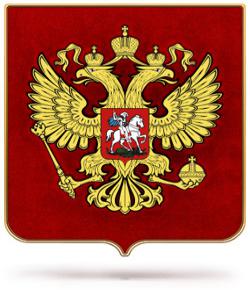
As the state emblem a two-headed eagle first appeared in Russia in the XV century (at that time - the Kingdom of Moscovia). It came from Byzantium with Sophia Paleolog, the niece of Constantine XI, the last Byzantine Emperor, who became the wife of Ivan III, the Grand Duke of Moscow.
Going through some changes the two-headed eagle remained the national emblem of the Russian State for more than four hundred years. After the October Revolution of 1917 it was replaced by the emblem of Soviet Russia consisting of a hammer-and-sickle against the red background surrounded with sunrays and framed in golden spikes of wheat, and the inscriptions “Soviet Russia” and “Proletarians of All Countries, Unite!”.
The two-headed eagle regained its status of the national emblem in accordance with the Presidential Decree of November 30, 1993. It was officially adopted by the Federal Law of December 25, 2000.
There are different interpretations of this symbol. The most common version says that two heads of the eagle symbolize two parts of the world (Europe and Asia) on which Russia is situated, and their equal importance for the country.
The sceptre (originally – mace, a striking weapon) symbolizes defence of sovereignty. The orb (the sphere) is a symbol of unity, integrity of the state.
The red (purple) colour has traditionally been the Emperor’s colour, the gold colour symbolized eternity.
The three crowns (the third crown appeared on the emblem in 1625) originally were thought to symbolize the three great khanates conquered by Russia – the Kazan, Astrakhan and Siberian. Then they were interpreted as a symbol of the Holy Trinity and later – as the unity of three nations
– Russian, Ukrainian and Byelorussian.
The shield with a knight portrayed on the eagle’s chest is the ancient emblem of Moscow. Since 1730, the knight has been called Saint George, Bearer of Victory, striking the Serpent, symbolizing the fight of Good against Evil. At the same time this symbol points out that Moscow is the heart of Russia.
185