Материал: Крючков Фундаменталс оф Нуцлеар Материалс Пхысицал Протецтион 2011

Внимание! Если размещение файла нарушает Ваши авторские права, то обязательно сообщите нам

1%. These bounds exceeded (alarm limit) is viewed as the anomaly and indicates that it is necessary to analyze the causes in detail. The bounds of this interval are normally used as the threshold level for the alarm to be generated.

ИР


ID


3S


Alarm

2S


×

Warning

×

×


0

×

×

t

×


-2S

×

×

Warning


-3S


Alarm

Fig. 6.2. A chart of NM balance control in an MBA (S – one ID sigma)

Determination models of allowable ID deviations based on accounting NM measurement errors

Determination of the resultant error in the NM balance or, in other words, the ID error, requires a model matching the conditions of the given physical inventory taking in the MBA concerned (the model is expected to “sense” the existing uncertainties).

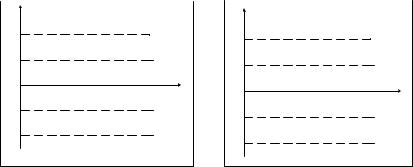
Fig. 6.3 gives examples of the limits calculation models that are not adequate to the existing statistical ID straggling.

Fig. 6.3a shows an overestimation of the tolerable ID statistical uncertainty when there are excessively great limits for the alarm. Meanwhile, a real NM theft or loss may not trigger the alarm. This makes all efforts spent useless.

Fig. 6.3b shows a case of the tolerable ID statistical uncertainty underestimated. Underestimated tolerable limits lead to a high intensity of false alarms, though there is no NM shortage or surplus. Each of the false alarms has to be responded to, which is highly time-taking and costly. Frequent false alarms may cause a real NM theft or loss to be missed.

301

ИР


ID


3S


Alarm

2S


Warning

0

×

×


×

×

×

t

×


×

×


-2S


Warning

-3S


Alarm

a)

ИР


ID


×

×


3S


Alarm


×

2S


Warning

×


t

0


-2S

×

Warning


×


×


Alarm

-3S

×


b)

Fig. 6.3. Examples of inadequate calculation models for ID straggling limits: a – model with the ID uncertainty overestimated;

b – model with the ID uncertainty underestimated

Therefore, the model of plotting tolerable limits for the ID statistical straggling should be reconciled.

Determination of tolerable ID deviations based on historical data

For production facilities with sustained operations, it is also permitted to use earlier inventory difference values. The established limits are determined by the recorded straggling of the ID values from the earlier physical inventory takings in the given MBA. This suggests that no anomalies with NM were detected in the previous PITs. Such approach has some positive points to it: the values of the limits are easily obtained with no computer models involved. This does not require detailed data on measurement errors. All NM accounting and measurement errors may affect the tolerable deviation limits.

General rules both in Russia and in the USA permit use of an approach with determination of the tolerable ID deviation limits based on historical data. This case however requires the applicability of such approach to the ID prediction to be proved. This takes place where no ID error formation structure changes over time.

Use of historical data is also helpful in reconciling computer models when these are used to calculate the allowable ID limits. Historical data provides a quality criterion for checking the estimated ID error. Namely,

302

the observed statistical ID straggling that is expected to match the interval of statistically insignificant ID values: (–2s ID, +2sID).

References

1.Методические рекомендации по проведению физической инвентаризации ядерных материалов на ядерных установках и пунктах хранения ядерных материалов. – РБ–026–04. Утверждено постановлением Федеральной службы по атомному надзору от

29.03.2004, № 1, М., 2004.

2.Глебов В.В., Измайлов А.В., Румянцев А.Н. Введение в системы учета, контроля и физической защиты ядерных материалов. М.:

МИФИ, 2001.

303

CHAPTER 7

COMPUTERIZED NM ACCOUNTING AND CONTROL

SYSTEMS

The prime objective of nuclear material (NM) accounting is early detection of shortage/surplus, loss, theft or unauthorized use of NM, as well as identification of causes for these to emerge and sources of origin thereof. Along with control and physical protection, accounting is what helps with achieving this goal. Accounting systems are also responsible for furnishing state authorities and other respectively authorized official bodies with data they may require for discharge of their functions.

These goals cannot be achieved in full with no respective data collection and handling processes automated.

The requirements imposed by the Federal Information System (FIS) upon reports by operators in nuclear industry, both with respect to the volume of information and the data submission time, cannot be complied with unless modern data processing technologies in place.

Along with the centralized computerized data acquisition and processing system, computerized (automated) NM accounting and control systems established at NM material handling and storage sites shall form the Federal Information System (FIS). Complete FIS requirements to reports, data detailing and data submission frequency place operators under severe constraints with respect to functionality and software support of their computerized NM A&C systems.

7.1. Industry-standard requirements to NM A&C systems

The functions of and requirements to material accounting systems are set forth in OST 95 10537-97, an industry standard of the Russian Federation Ministry for Atomic Energy [1]. We will refer to this standard when discussing the components of accounting and control systems, and review its requirements to the sections studied. This is the earliest industry standard that governs functions, properties, development procedures and requirements to computerized NM A&C systems. Much experience has been gathered in establishment and handling of such systems since the standard adoption time, so a new release of the industry standard is the order of the day.

As defined by the standard, accounting and control (A&C) systems are intended to:

304

∙provide data for accounting and control of nuclear material held at sites, coming in or going out of same or liquidated subject to operator’s legal responsibility;

∙account for any movement of material between material balance areas and any change in the material type or form;

∙give out timely and credible data to support accounting and control.

To realize these functions for each MBA and the site as the whole, the A&C system shall:

∙keep data records of NM quantities and characteristics for all measurements at key points;

∙keep track of any changes in the NM type, form or location, including offsite transactions (shipment/receipt);

∙determine the material quantity in each MBA and at the enterprise as the whole;

∙keep accounting records and reports;

∙oversee the timeliness and correctness of transactions with NM;

∙control and account for personnel and personnel access to data;

∙support inspections and inventory takings;

∙search for product locations on a timely basis;

∙communicate with the enterprise’s physical protection system;

∙protect information circulating within the system;

∙communicate with A&C systems of other enterprises and the Federal Information System.

Two A&C system functionality areas are identified by the standard: administration and management of databases. There are three functions of administration:

∙servicing of customer and administration data queries for the status of the enterprise operations;

∙monitoring and control with respect to authorization of access to the NM A&C system data;

∙information support for investigations of contingencies.

The functions of database control are to:

∙receive and process data on all NM movements within or out of or into the site;

∙form site databases;

∙generate reports in formats and on carriers as required;

∙check information for mutual consistency;

∙search for and put out data on a timely basis;
305

Источник: https://studfile.net/preview/16708779/