Материал: Oxford American Handbook of Urology ( PDFDrive )
MALE REPRODUCTIVE PHYSIOLOGY 467
– ve
HYPOTHALAMUS
LHRH
– ve |
|
|
ANTERIOR |
|
|
–ve |
||
|
|
|
PITUITARY |
|
|
|
|
|
|
|
|
GLAND |
|
|
|
|
|
|
LH |
|
FSH |
|||||
|
|
|
TESTIS |
|
|
|
|
|
|
|
|
|
|
||||
Interstitial cells |
Seminiferous tubules |
|||||||
(Leydig cells) |
(Sertoli cells) |
|||||||
|
|
|
|
|
||||
|
|
|
|
|
|
|||
Testosterone |
|
Sperm Inhibin |
||||||
|
Lumen |
|
|
|
|
|
||
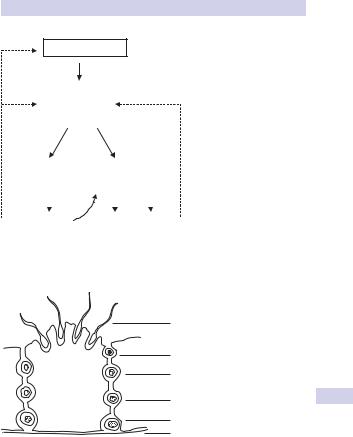
Figure 11.1 Hypothalamic–pituitary–testicular axis.
|
Spermatozoa |
|
Spermatid |
|
2º spermatocyte |
Sertoli cell |
1º spermatocyte |
|
|
|
Spermatogonia |
|
Basal lamina |
Figure 11.2 Spermatogenesis in the seminiferous tubules of the testis.
468 CHAPTER 11 Infertility
Head:
Plasma membrane
Acrosomal cap
Nucleus
Middle piece:
Proximal centriole
Mitochrondria
Microtubules
Tail:
Principal piece
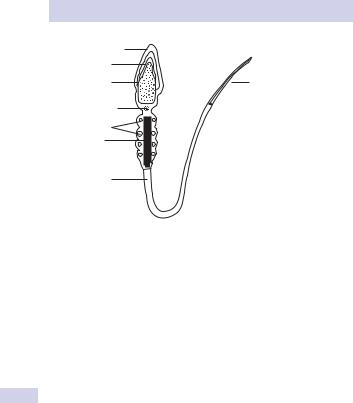
Figure 11.3 A spermatozoon.
Tail:
End piece
After deposition at the cervix, sperm penetrate cervical mucus and travel through the uterus to the site of fertilization in the fallopian tube. Along the way, within the female reproductive tract, they undergo capacitation—a further activation of their ability to fertilize marked by an increase in their motility.
When a sperm penetrates the oocyte, it binds to the zona pellucida, which alters its permeability so that other sperm cannot penetrate the ovum, leading to enzyme release, penetration into the cytoplasm of the oocyte, fusion, and fertilization.
This page intentionally left blank

470 CHAPTER 11 Infertility
Etiology and evaluation of male infertility
Definition of infertility
Infertility is failure of conception after at least 12 months of unprotected intercourse. The chance of a normal couple conceiving is estimated at 20–25% per month, 75% by 6 months, and 90% at 1 year. Up to 50% of infertility is due to male factors. Up to 25% of couples may be affected at some point in their reproductive years.
Pathophysiology
Failure of fertilization of the normal ovum is due to defective sperm development, function, or inadequate numbers. There may be abnormalities of morphology (teratospermia) or motility (asthenospermia), low sperm numbers (oligospermia), combined disorders (oligoasthenospermia), or absent sperm (azoospermia).
Abnormal epididymal function may result in defective spermatozoa maturation or transport, or induce cell death.
Etiology
•Idiopathic (25%)
•Varicocele (present in 40%)
•Cryptorchidism (undescended testes)
•Functional sperm disorders: immunological infertility (sperm antibodies); head or tail defects; Kartagener’s syndrome (immotile cilia); dyskinetic cilia syndrome
•Erectile or ejaculatory problems
•Testicular injury: orchitis (postpubertal, bilateral mumps orchitis); testicular torsion; trauma; radiotherapy
•Endocrine disorders: Kallmann’s syndrome (isolated gonadotrophin deficiency causing hypogonadism and anosmia); Prader–Willi syndrome (hypogonadism, short stature, hyperphagia, obesity); pituitary gland adenoma, radiation, or infection
•Hormone excess: excess prolactin (pituitary tumor); excess androgen (adrenal tumor, congenital adrenal hyperplasia, anabolic steroids); excess estrogens
•Genetic disorders: Kleinfelter’s syndrome (47XXY) involves azoospermia, iFSH/LH AND dtestosterone; XX male; XYY syndrome
•Male genital tract obstruction: congenital absence of vas deferens; epididymal obstruction or infection; Müllerian prostatic cysts; groin or scrotal surgery
•Systemic disease: renal failure; liver cirrhosis; cystic fibrosis
•Drugs: chemotherapy; alcohol; marijuana; sulfasalazine; smoking
•Environmental factors: pesticides; heavy metals; hot baths

ETIOLOGY AND EVALUATION OF MALE INFERTILITY 471
History
•Sexual: duration of problem; frequency and timing of intercourse; previous successful conceptions; previous birth control; erectile or ejaculatory dysfunction
•Developmental: age at puberty; history of cryptorchidism; gynecomastia
•Medical and surgical: detailed assessment for risk factors—recent febrile illness; postpubertal mumps orchitis; varicocele; testicular torsion, trauma, or tumor; sexually transmitted diseases; genitourinary surgery; radiotherapy; respiratory diseases associated with ciliary dysfunction; diabetes
•Drugs and environmental: previous chemotherapy; exposure to substances that impair spermatogenesis or erectile function; alcohol consumption; smoking habits; hot baths
•Family: hypogonadism; cryptorchidism
Examination
Perform a full assessment of all systems, with attention to general appearance (evidence of secondary sexual development; signs of hypogonadism; gynecomastia).
Urogenital examination should include assessment of the penis (Peyronie’s plaque, phimosis, hypospadias); measurement of testicular consistency, tenderness, and volume with a Prader orchidometer (normal >20 mL; varies with race); palpation of epididymis (tenderness, swelling) and spermatic cord (vas deferens present or absent, varicocele); and digital rectal examination of the prostate.