Материал: UPSTREAM

32 Look at the pictures and identify what they show. Which of these bring back memories of your early childhood? Talk about your memories.
I’ll never forget my first fancy dress party. I was dressed
as a cowboy. It was ...
Spreading the news
33  a.
a. Listen and identify which extracts give good/bad news.
b.Read the exchanges and practise the intonation. Then, use the prompts to act out similar dialogues.
ñYour sister has got engaged.
ñYour brother has been promoted.
ñYour friend was in a car accident.
ñYou passed your exams.
ñYou got your driving licence.
ñYour friend lost his job.
1 A: I’ve got something to tell you. I’m afraid I failed my driving test.
B: That’s a pity. You must be really disappointed.
2A: Have you heard? I won a trip to Florida.
B:Wow! Congratulations! You must be thrilled!
3A: Guess what! I’ve got a new job!
B:That’s brilliant! You must be very happy.
4A: I’m afraid I’ve just heard something terrible.
Simon crashed his motorbike.
B:Oh no! How awful!
Intonation (contrastive stress)
34
 Listen, mark the stressed words, then repeat.
ñA: Did you make a chocolate cake?
B:No, I made a fruit cake.
ñA: Do you want three boxes of chocolates?
B:No, I want two boxes.
ñA: Did you ask Mr Johnson?
B:No, I asked Miss Johnson.
2
Describing people
35 a.
a. Listen to the dialogue. Who does Simon want to meet?
b.Match the columns to form a dialogue. Then, in pairs, act out similar dialogues for the people in the pictures.
AThis is a great party, Fred.
BYes, I am, but who’s that over there?
CThe girl with the long
blonde hair.
D 
 Yes, please. That would be great.
1No problem. Let’s go over and I’ll introduce you.
2Oh, that’s Diana. She’s just started working in my office.
Do you want to meet her?
3Thanks. Are you having a
good time?
4Who?
Introducing people
36  a.
a. Listen to the dialogue. Where does it take place?
b.Read the dialogue. Then use the expressions in the box to introduce:
ñyour new friend to your parents
ñyour husband/wife to your employer
ñtwo business associates to each other
A:Miss Lane, I’d like to introduce you to a colleague of mine.
B:Certainly.
A:Miss Lane, this is my colleague, Mr Kent. Mr Kent this is Miss Lane.
B:How do you do? It is a pleasure to meet you Mr Kent.
C:It is a pleasure to meet you too, Miss Lane.
INTRODUCTIONS
Formal |
Informal |
May I introduce ... |
This is ... |
I would like you to meet ... |
Come and meet ... |
I would like to introduce you to ... |
Hi, how are you? |
How do you do? |
Hi there! |
It is a pleasure to meet you. |
Pleased to meet you. |
|
|
29
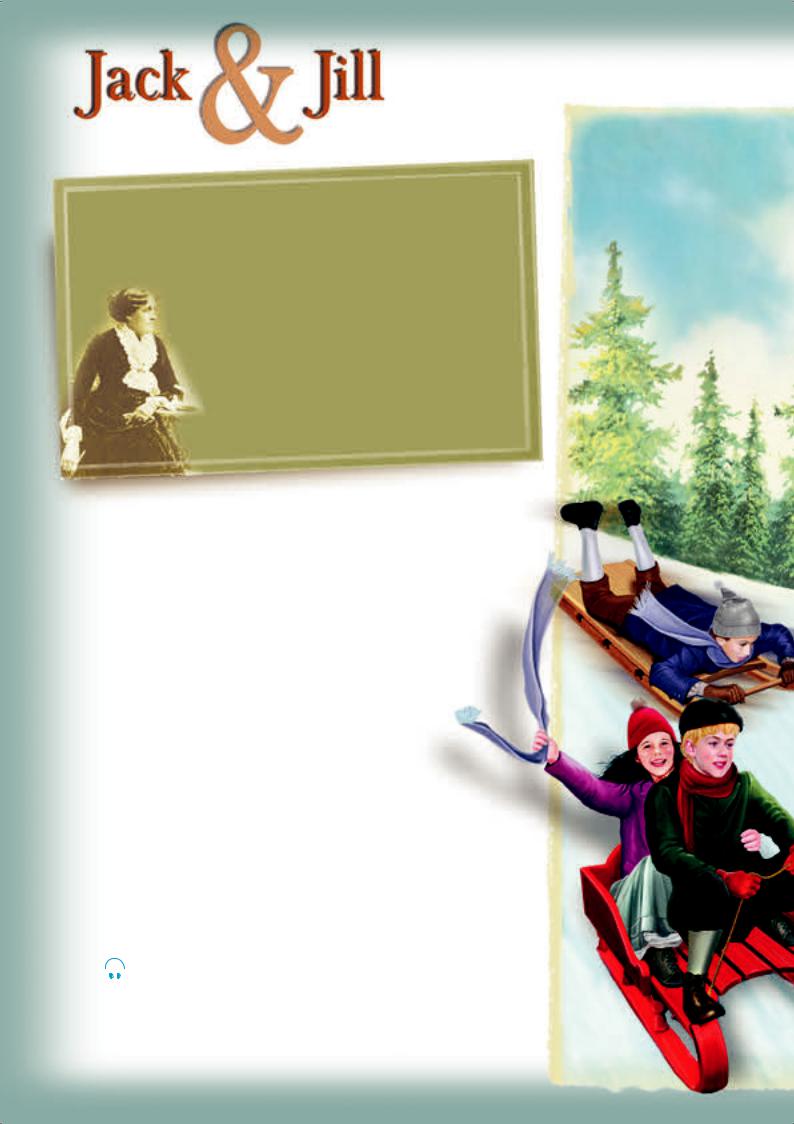
Louisa May Alcott (1832-1888) |
was born in Germantown, |
Pennsylvania, |
the |
||||||||||||||||||||||
|
|
|
|||||||||||||||||||||||
family moved to |
|||||||||||||||||||||||||
|
|
|
|
|
|
|
|
|
|
||||||||||||||||
second of four sisters. |
At |
an early age, Louisa and her |
|||||||||||||||||||||||
|
|
|
|
|
|
|
|
||||||||||||||||||
|
|
|
|
|
|
|
|
|
Her father was a teacher, |
||||||||||||||||
Massachusetts, |
where she lived for most of her life. |
||||||||||||||||||||||||
|
|
|
|
|
|
|
|
|
of |
||||||||||||||||
|
Louisa to keep a diary. She |
started to write at the age |
|||||||||||||||||||||||
and he encouraged |
|||||||||||||||||||||||||
|
|
||||||||||||||||||||||||
|
|
|
|
|
|
|
|
life and |
|||||||||||||||||
|
diary |
to |
|
help her write about her own |
|||||||||||||||||||||
16. Alcott used her |
|
||||||||||||||||||||||||
|
|
|
|
, |
|||||||||||||||||||||
|
|
|
|
|
|
|
|
|
|
|
|
|
|
|
|
|
|||||||||
|
|
|
. |
One of |
her most famous |
books is Little Women |
|||||||||||||||||||
|
|
|
|
|
|
|
|
|
|
|
|
|
|||||||||||||
experiences |
|
|
|
|
|
|
|
|
|
|
. She wrote |
Jack and Jill: |
|||||||||||||
|
|
|
|
|
|
|
|
|
|
|
|
|
|
||||||||||||
which is based on the life of her family |
|
|
|
|
|
|
|
|
|
of |
|||||||||||||||
A Village Story in 1880. |
Alcott |
has been called the ‘novelist |
|
||||||||||||||||||||||
|
|
||||||||||||||||||||||||
|
|
|
|
|
|
|
point of view. |
||||||||||||||||||
|
children’ |
for |
her ability to |
reflect the teenage |
|||||||||||||||||||||
|
|
|
|
|
|
at |
|||||||||||||||||||
|
|
of life in rural New England |
|||||||||||||||||||||||
|
Jack and Jill tells the story |
||||||||||||||||||||||||
|
|
||||||||||||||||||||||||
|
It tells |
of how the friendship |
|||||||||||||||||||||||
|
|
|
|
|
|
|
|
|
|
|
. |
||||||||||||||
|
the turn of the century |
|
|
|
|
is tested by a terrible |
|||||||||||||||||||
|
|
between the two main characters |
|||||||||||||||||||||||
|
|
|
|
|
|
|
|
they |
|||||||||||||||||
|
|
|
|
|
|
. With the |
help of their friends and family, |
||||||||||||||||||
|
|
|
|
|
|
|
|
|
|||||||||||||||||
|
|
accident |
|
|
|
|
|
|
|
|
|
|
|
get on with their |
|||||||||||
|
|
|
put their bad luck behind them and |
||||||||||||||||||||||
|
|
|
|
|
|
|
|
|
|
||||||||||||||||
|
|
|
|
lives. |
|
|
|
|
|
|
|
|
|
|
|
|
|
|
|
|
|
|
|||
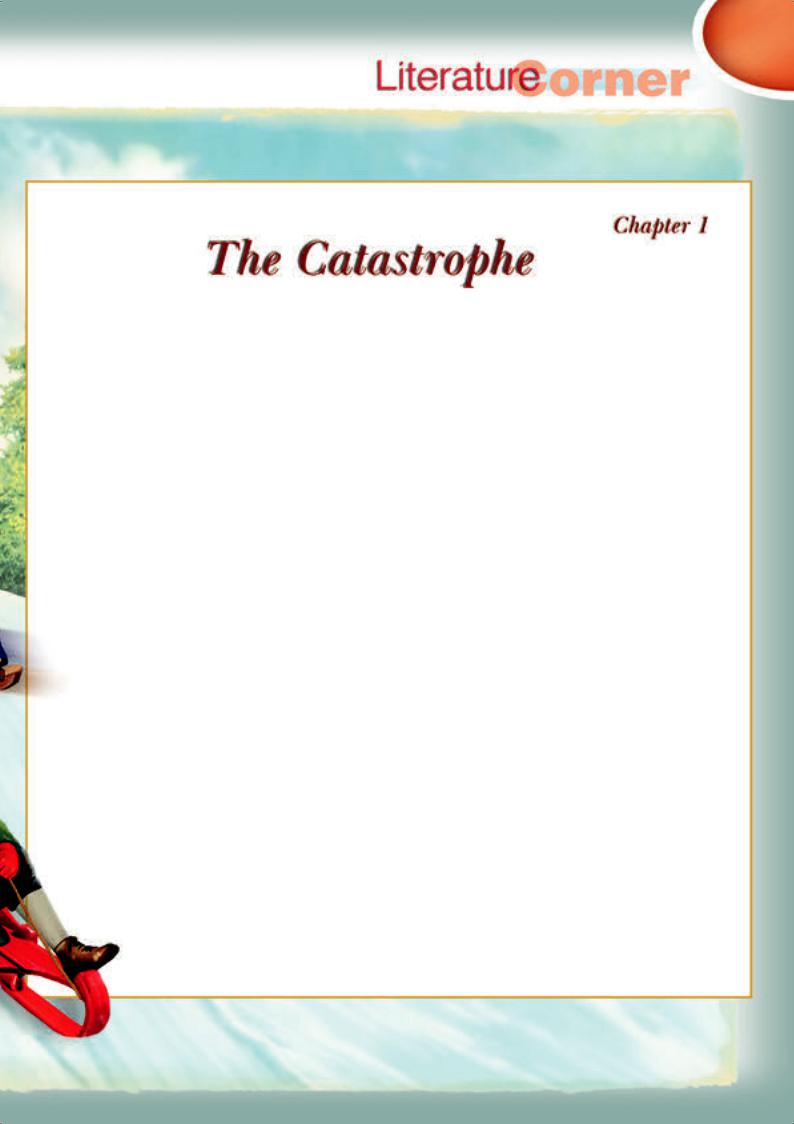
37 Read the title and the author’s biography. What do you think the novel is about? How could Alcott’s own experiences have helped her write the novel? Look at the picture. What time of year is it? What are the children doing?
38 a. Read the extract and match the characters with their descriptions, then make up sentences about them. Finally explain the words in bold.
1 |
|
Frank Minot |
a |
white teeth, golden hair |
|
|
Little Boo |
b |
short legs, round face |
2 |
|
|||
|
|
Ed Devlin |
c |
tall, keen sparkle in his eye |
3 |
|
|||
|
|
Jack |
d |
black eyes, red cheeks |
4 |
|
|||
|
|
Jill |
e |
sweet-faced, rosy cheeks |
5 |
|
b.Which of the characters is: serious;clever;good-natured;popular; protective;patient? Underline the words/phrases/sentences which imply the character.
c.Which of the characters can you see in the pictures? Describe them.
d.Match the highlighted words to their synonyms in the list.
ñboy ñ serious ñ smarter ñ guy ñ gathered ñ playful ñ generously
ñfirst-rate ñ protected ñ shy
39 a. This chapter is called TheCatastrophe. What catastrophe do you think might happen? In pairs, predict what you think is going to happen next.
IthinkthereisgoingtobeafightbetweenJoeandJack.
 b.
b. Listen and check if your guesses were correct.
Project
You have decided to enter the Louisa May Alcott drawing competition. Read the extract again, then choose a scene to draw for the competition.
30
2
|
“Clear the lulla!” was the general cry on a bright |
fun and sparkle, as she waved Jack’s blue tippet like a |
|
|||||||||||||||||||
|
December afternoon, when all the boys and girls of |
banner with one hand, and held on with the other. |
|
|||||||||||||||||||
|
Harmony Village were out enjoying the first good snow of |
“Jill goes wherever Jack does, and he lets her. He’s such |
|
|||||||||||||||||||
|
the season. Up and down three long coasts they went as |
a good-natured |
|
|
he can’t say No.” |
|
||||||||||||||||
|
chap, |
|
||||||||||||||||||||
5 |
fast as legs and sleds could carry them. One smooth path |
“To a girl,” slyly added one of the boys, who had wished |
40 |
|||||||||||||||||||
|
led into the meadow, and here the little folk |
|
|
to borrow the red sled, and had been politely refused |
|
|||||||||||||||||
|
congregated; |
|
||||||||||||||||||||
|
there was a group of lads and lasses sitting or leaning on a |
because Jill wanted it. |
|
|||||||||||||||||||
|
fence to rest after an exciting race, and, as they reposed, |
“He’s the nicest boy in the world, for he never gets |
|
|||||||||||||||||||
|
they amused themselves with criticising their mates. |
mad,” said the timid young lady, recalling the many times |
|
|||||||||||||||||||
10 |
|
|
|
|
|
|
|
|
|
|
|
|
45 |
|||||||||
“Here comes Frank Minot, looking as |
|
|
as a |
Jack had |
shielded |
her from the terrors which beset her |
||||||||||||||||
solemn |
||||||||||||||||||||||
|
judge,” cried one, as a tall fellow of sixteen spun by, with a |
path to school, in the shape of cows, dogs, and boys who |
|
|||||||||||||||||||
|
set look about the mouth and a keen sparkle of the eyes, |
made faces and called her ‘Fraidcat’. |
|
|||||||||||||||||||
|
fixed on the distant goal with a do-or-die expression. |
“He doesn’t dare to get mad with Jill, for she’d take his |
|
|||||||||||||||||||
|
“Here’s Molly Loo and Little Boo,” sang out another; |
head off in two minutes if he did,” growled Joe Flint. |
|
|||||||||||||||||||
15 |
and down came a girl with flying hair, carrying a small boy |
“She wouldn’t! She’s a dear! You needn’t sniff at her |
50 |
|||||||||||||||||||
|
behind her, so fat that his short legs stuck out from the |
because she is poor. She’s ever so much |
|
than you |
|
|||||||||||||||||
|
brighter |
|
||||||||||||||||||||
|
sides, and his round face looked over her shoulder like a |
are, or she wouldn’t always be at the head of your class, |
|
|||||||||||||||||||
|
full moon. |
old Joe,” cried the girls, standing by their friend with a |
|
|||||||||||||||||||
|
“There’s Gus Burton; doesn’t he go it?” and such a very |
unanimity which proved what a favourite she was. |
|
|||||||||||||||||||
20 |
long boy whizzed by, that it looked almost as if his heels |
Joe subsided with as scornful a curl to his nose as its |
55 |
|||||||||||||||||||
|
were at the top of the hill when his head was at the |
chilly state permitted, and Merry Grant introduced a |
|
|||||||||||||||||||
|
bottom! |
subject of general interest by asking abruptly, “Who is |
|
|||||||||||||||||||
|
“Hurrah for Ed Devlin!” and a general shout greeted a |
going to the candy-scrape tonight?” |
|
|||||||||||||||||||
|
sweet-faced |
|
with a laugh on his lips, a fine colour on |
“All of us, Frank invited the whole set, and we shall |
|
|||||||||||||||||
|
lad |
|
||||||||||||||||||||
25 |
his brown cheek, and a gay word for every girl he passed. |
have a |
|
|
|
time. We always do at the Minots’,” cried |
60 |
|||||||||||||||
tiptop |
||||||||||||||||||||||
|
“Laura and Lotty keep to the safe coast into the |
Sue, the |
|
trembler. |
|
|||||||||||||||||
|
timid |
|
||||||||||||||||||||
|
meadow, and Molly Loo is the only girl that dares to try |
“Jack said there was a barrel of molasses in the house, |
|
|||||||||||||||||||
|
this long one to the pond. I wouldn’t for the world; the ice |
so there would be enough for all to eat and some to carry |
|
|||||||||||||||||||
|
can’t be strong yet, though it is cold enough to freeze one’s |
away. They know how to do things |
|
and the |
|
|||||||||||||||||
|
handsomely”, |
|
||||||||||||||||||||
30 |
nose off,” said a timid damsel, who sat hugging a post and |
speaker licked his lips, as if already tasting the feast in |
65 |
|||||||||||||||||||
|
screaming whenever a |
|
lad shook the fence. |
store for him. |
|
|||||||||||||||||
|
mischievous |
|
||||||||||||||||||||
|
“No, she isn’t. Here’s Jack and Jill going like fury.” |
“Mrs Minot is a mother worth having,” said Molly Loo, |
|
|||||||||||||||||||
|
“Clear the track for jolly Jack!” sang the boys, who had |
coming up with Boo on the sled; and she knew what it was |
|
|||||||||||||||||||
|
rhymes and nicknames for nearly everyone. |
to need a mother, for she had none, and tried to care for |
|
|||||||||||||||||||
35 |
Down came a gay red sled, bearing a boy who seemed |
the little brother with maternal love and patience. |
70 |
|||||||||||||||||||
|
all smile and sunshine, so white were his teeth, so golden |
“She is just as sweet as she can be!” declared Merry, |
|
|||||||||||||||||||
|
was his hair, so bright and happy his whole air. |
enthusiastically. |
|
|||||||||||||||||||
|
Behind him clung a girl, with black eyes and |
|
|
|
|
|
|
|
|
|
|
|
|
|
|
|||||||
|
hair, cheeks as red as her hood, and a face full of |
|
|
|
|
|
|
|
|
|
|
|
|
|
|
|||||||
31
Writing a story
To write a story we first decide on the type of story, the plot and the main characters. Our story can be a comedy, a spy story, a thriller, an adventure story, a detective story, a
fairy tale etc.
Introduction
In the first paragraph, we write when and where the event happened, who the people in the story were and what happened first.
Main Body
In the main body paragraphs, we describe the events in the order they happened. One of the events should be the climax event. We can use so, because, and, also etc to join our sentences or ideas.
Conclusion
In the last paragraph, we write what happened in the end and how the people in the story felt. We can use a variety of adjectives or adverbs to make our story more interesting. We normally use past tenses in stories.
Analysing a Rubric
40 Read the rubric and answer the questions.
ENTER NOW AND HAVE YOUR STORY PRINTED IN TEENS!
What is your most unforgettable childhood experience?
Send in your story (120-180 words) for your chance to win a two-week allexpenses paid trip to Disneyland, Paris. Runners-up will receive a oneyear subscription to TEENS!
Closing date: 10th December. Results announced: 17th February.
1Where would you see this announcement published?
2 What is the announcement about?
3 Who are you going to write about?
4 What could your story be about?
Analysing a Model Text
41 a. Read the story and fill in the linkers. What tenses has the writer used?
ñ by the time ñ while ñ then ñ but ñ as soon as ñ as
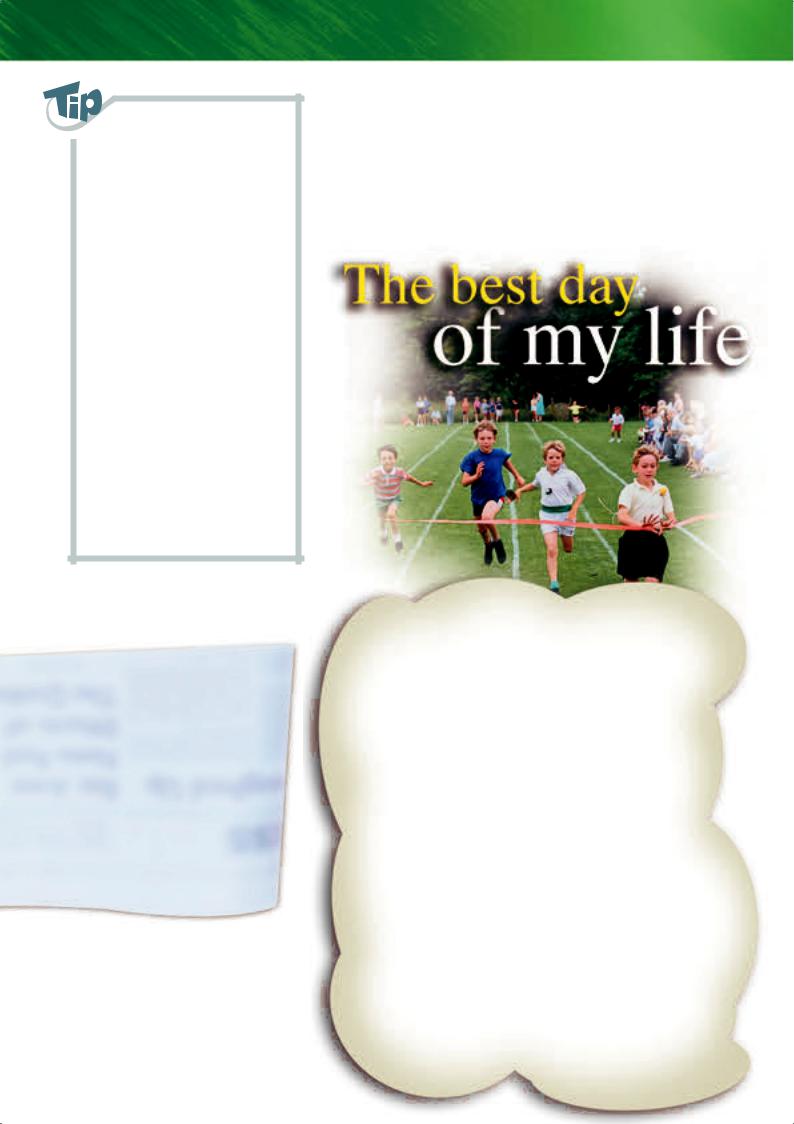
b.Which scene does the picture show? What happened before/after it? Who do you think the writer is?
Whenever I look at that photograph, it takes me back to those early years when every new experience was so important that it was almost unbearable. It was towards the end of the school year
– my first year at primary school – that it happened. I had been looking forward to that day with such eagerness.
I can still remember the shouts of the spectators as I went out onto the sports field with my classmates. Earlier that
week I |
had qualified for the finals of the 100 metres. Now, |
looking around, I was determined to win. |
|
1) ...................... |
I was walking across to the start, I began |
to feel more and more nervous. I looked at the bustling crowd of spectators, and I saw my proud parents waving enthusiastically. My heart was pounding fast 2) ....................
I lined up with the other eager competitors. I felt so excited that my whole body was shaking. I braced myself, took some
deep breaths and waited for the signal. 3) ..................... |
the |
starting pistol sounded and I set off down the track. |
|
I could hear the crowd shouting excitedly, 4) ..................... |
|
the noise seemed very far away. I sprinted as fast as I could, not looking at anything except the finishing line. 5) .........................
I crossed the line I was so exhausted I could hardly breathe. 6) .................... I heard the result announced, I realized I had won! Overjoyed, I collapsed on the soft grass with a broad grin on my face.
"Well done!" said the Headmaster later, as he presented me with the winner’s certificate. I had never felt so happy and
proud in my life.
32

Sequence of events
c.Read the story again and put the events in the correct order.
a |
He set off. |
..... |
b |
The runners lined up for the race. |
..... |
c |
He finished the race. |
..... |
d |
He was presented with a certificate. |
..... |
e |
He walked to the start. |
..... |
f |
The result was announced. |
..... |
g |
He went very fast. |
..... |
h |
The starting pistol sounded. |
..... |
i |
He collapsed on the grass. |
..... |
j |
He entered the sports field. |
..... |
Descriptive Techniques
42 a. |
Fill in the adjectives from the story. In pairs, |
||
|
think of synonyms for each adjective. |
|
|
1 |
........ competitors |
5 .................. |
grass |
2 |
............... parents |
6 ............... |
breaths |
3 |
.................... grin |
7 .................. |
pistol |
4 |
................ crowd |
8 ..................... |
line |
b.Underline the verb/adverb collocations the writer used. Can you think of other adverbs used with these verbs? Write them down, then make up sentences using them.
c.The writer used his senses to describe the event. Read the story and find examples.
theshoutsofthespectators
43 a. Use the adjectives and adverbs in the list to make the paragraph more interesting.
ñ deafening ñ heavy ñ winding ñ brilliant ñ gloomy ñ huge
ñ suddenly ñ luckily ñ nervously ñ loudly ñ slowly
We were driving along the road through the forest, on the way to my grandmother’s house. The rain made it difficult to see where we were going. There was a flash of lightning followed by a crash of thunder. A tree crashed into the road in front of us. My father stopped the car in time. We all looked at each other. What were we going to do now?
b.Underline the words and phrases that use the senses to make the story interesting.
Beginnings/Endings
44 Read the beginning of the story in Ex. 41 again. What does the writer say about the place/time his story took place? people involved? event?
2
To start/end a story you can:
ñUse direct speech. (e.g. “Hurry up!” Jim shouted, as he ran down the stairs. “We are going to be late!”)
ñAsk a rhetorical question. (e.g. Have you ever wondered what it would be like to escape for a day?)
ñRefer to feelings/moods. (e.g. It was a bright, clear Sunday afternoon, and I was excited by the thought of the adventure ahead.)
ñUse our senses to begin a story. (e.g. The sun was shining brightly, and the birds were singing as Jim pulled on a light jacket and ran out of the house.)
45 What techniques has the writer used to start/end his story? In pairs, rewrite the first and last paragraph using different techniques.
Discuss & Write
46 a. You have read the rubric in Ex. 40 and you have decided to enter the competition. Plan your own story by answering the questions below.
Introduction
(Para 1) Where were you? When did it happen? What happened?
Main Body
(Paras 2-4) What exactly happened? (List the events in chronological order.)
What was the climax event?
Conclusion
(Para 5) What was the outcome? How did you feel?
b.Write your story. Check you have:
ñmade your beginning interesting by applying one of the techniques mentioned
ñused a variety of adjectives and adverbs
ñput the events in the correct chronological order
ñended your story by using one of the techniques mentioned
ñgiven it a suitable title
47 Explain the sentences below in your own words.
It takes courage to grow up and become who you really are.
Live your beliefs and you can turn the world around.
H D Thoreau (US poet)
33