Материал: Крючков Фундаменталс оф Нуцлеар Материалс Пхысицал Протецтион 2011
Platinum electrode |
Silver-chloride |
|
(comparison) electrode |
|
|
|
18 |
|
|
|
1 |
|
|
8 |
11 |
|
|
|
|
||
9 |
2 |
|
|
7 |
|
||
2 |
|
||
3 |
4 |
13 |
|
12 |
|||
|
|
||
|
15 |
14 |
|
|
|
||
|
3 |
|
|
4 |
|
|
|
5 |
16 |
|
|
6 |
17 |
|
|
|
|
||
10 |
|
|
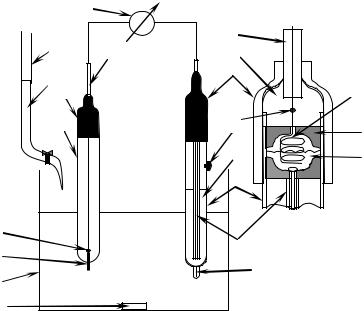
Fig. 5.26. Electrode system for potentiometry
1 – connecting wire; 2 – plastic cap; 3 – glass housing; 4 – solder; 5 – platinum; 6
– beaker with analyzed solution ( рНх); 7 – AgCl-coated silver wire; 8 – burette; 9 – Cr(VI); 10 – magnetic stir bar; 11 – hermetic; 12 – hole with a rubber plug; 13 – rubber gaskets; 14 – KCl and AgCl mixture; 15 – saturated KCl solution; 16 – tube with asbestos; 17 – asbestos thread; 18 – рН meter (millivoltmeter)
Here is the list of analysis steps and applicable chemical reactions involved in the potentiometric variant of Davis-Grey method.
1.Sample taking.
2.Sample dissolution.
3.Pretreatment (purification, etc.).
4.Conversion of hexavalent uranium to a tetravalent condition. It is required to have all uranium turned tetravalent to be titrated.
273