Материал: Маслов ИНТРОДУЦТИОН ТО ПХЫСИЦС ОФ СЕЦОНД-ОРДЕР МАГНЕТИЦ 2015

we obtain M ≠ 0 (ferromagnetic phase). The value θ is called the Curie temperature or transition temperature into ferromagnetic state.
The physical basis of ferromagnetic transition is the exchange interaction, i.e., it is energetically favorable for magnetic moments to align along one direction and to decrease the energy of the system as well as Helmholtz free energy. Magnetic moments alignment leads to the order appearance in the system, i.e., the entropy decreases. If the temperature is high, then though the intrinsic energy of ordered (ferromagnetic) phase is lower than the intrinsic energy of disordered (paramagnetic) phase, the entropy of disordered phase is higher than the entropy of ordered phase. So, the Helmholtz free energy of disordered phase at high temperatures is lower than the corresponding value of the ordered phase.
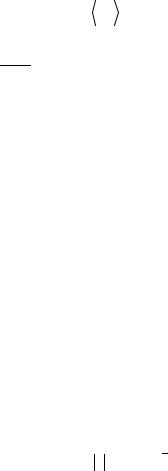
Denote the order parameter x as the mean magnetic moment of at-
|
|
µiz |
|
om x = σiz |
= |
|
. In the case of the order absence, x = 0 due to the |
µB |
magnetic moments have the chaotic orientation, while the mean magnetic moment is the total moment divided by the number of moments. If the magnetic moments have the preferred orientation, then x ≠ 0 and the order is presented.
14. Temperature dependence of the ferromagnetic order parameter in the Ising model
The Curie-Weiss equation for order parameter at zero magnetic field takes the following form
|
|
|
|
θ |
|
|
|
|
||
|
|
|
x = tanh x |
|
, |
|
|
(14.1) |
||
|
|
|
|
|
|
|||||
|
|
|
|
T |
|
|
|
|
||
|
|
|
|
|
|
|
|
|
|
|
where θ = ∑J (Rl ) |
is the Curie temperature, and |
|
µiz |
for |
||||||
x = σiz |
= |
|
||||||||
µB |
||||||||||
l≠0 |
|
|
|
|
|
|
|
|
||
any i =1,..., N . Since |
|
= −µB ÷µB , therefore −1≤ x ≤1 |
. Recall that |
|||||||
µiz |
||||||||||
x = 0 at T > θ, and |
x ≠ 0 at T < θ. Magnetization is described as |
|
||||||||
31
|
N |
|
|
|
|
|
M = |
µiz |
= |
NµB |
x = M0 x , |
(14.2) |
|
|
V |
|
||||
|
|
|
V |
|
||
where M0 = NVµB is the maximum possible value of magnetization
(i.e., all magnetic moments have the same direction). It is clear that magnetization is equal to zero at T > θ. Let us analyze the temperature dependence of magnetization at temperatures below the Curie tempera-
ture. At T θ, i.e., T → 0 we can expand |
|
θ |
in a series for |
|
tanh x |
|
|
||
|
||||
|
|
T |
|
|
large values of argument z = x |
|
θ |
(we assume |
x > 0 for clarity) |
|
|||||||||||||||
|
T |
|
||||||||||||||||||
|
|
|
|
|
|
|
|
|
|
|
|
|
|
|
|
|
|
|
||
tanh z = |
sinh z |
= |
ez |
−e−z |
= |
1 |
− 2e−z |
≈ |
|
|||||||||||
cosh z |
ez |
+ e−z |
1 |
+ 2e−z |
(14.3) |
|||||||||||||||
|
|
|
|
|||||||||||||||||
≈ 1− 2e−z |
|
|
1− |
2e−z |
) |
≈1− |
2e−2z . |
|
|
|||||||||||
( |
|
)( |
|
|
|
|
|
|
|
|
|
|
|
|
|
|
|
|||
Therefore for the order parameter we obtain |
|
|
|
|
|
|
||||||||||||||
|
x ≈1− 2e−2x |
θ |
|
|
|
|
|
|
|
|
|
|||||||||
|
T |
, x > 0. |
|
|
|
|
(14.4) |
|||||||||||||
Let us try to solve this equation iteratively |
|
|
|
|
|
|
|
|||||||||||||
x(0) |
=1; |
|
|
|
|
|
|
|
|
|
|
|
|
|
|
|
|
|
(14.5) |
|
|
=1− 2e−2x |
(0) |
θ |
|
|
|
|
|
θ |
|
||||||||||
x(1) |
|
|
=1− 2e−2 |
|
. |
|
|
|||||||||||||
|
T |
T |
|
|
||||||||||||||||
From the Curie-Weiss equation one can see that if there is a solution at x > 0 , then there is a solution at x < 0 . Therefore
−2 θ
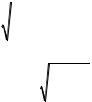
x =1− 2e T .
Thus, the magnetization is |
|
|
|
|
|
|
|
|
M |
|
= M0 |
|
−2 |
θ |
|
|
|
|
|||||
|
|
1− 2e |
|
T . |
|||
|
|
|
|
|
|
|
|
One can see that if T →0 , then M → M0 .
(14.6)
(14.7)
32
In the case of T < θ and T → θ− |
|
|
|
|
|
|
|
|
|
|
|
|
|
|
|
|
|
|
|
θ |
|||||||||||||||||||||
we can expand |
|
tanh x |
|
in a |
|||||||||||||||||||||||||||||||||||||
|
|
||||||||||||||||||||||||||||||||||||||||
|
|
|
|
|
|
|
|
|
|
|
|
|
|
|
|
|
|
|
|
|
|
|
|
|
|
|
|
|
|
|
|
|
|
|
|
|
|
|
T |
||
series for small values of argument z |
= x |
θ |
|
1 |
|
|
|
|
|
|
|
|
|
|
|||||||||||||||||||||||||||
T |
|
|
|
|
|
|
|
|
|
|
|||||||||||||||||||||||||||||||
|
|
|
|
|
|
|
|
|
|
|
|
|
|
|
|
|
|
|
|
|
|
|
|
|
|
|
|
|
|
|
|
|
|
|
|
||||||
tanh z = sinh z |
|
z |
+ |
|
z3 |
|
|
|
|
|
|
|
|
|
|
z |
2 |
|
|
|
|
|
z |
2 |
|
|
|
|
z |
2 |
|
|
|
||||||||
|
|
6 |
|
|
|
|
|
|
|
|
|
|
|
|
|
|
|
. (14.8) |
|||||||||||||||||||||||
= |
|
|
|
|
|
|
|
|
≈ z 1+ |
|
|
|
|
1− |
|
|
≈ z |
1− |
|
|
|||||||||||||||||||||
|
|
|
|
2 |
|
|
|
|
|
|
|
|
|
|
|
|
|
||||||||||||||||||||||||
cosh z |
1 |
+ |
|
z |
|
|
|
|
|
|
|
|
|
6 |
|
|
|
|
2 |
|
|
|
3 |
|
|
|
|||||||||||||||
|
|
2 |
|
|
|
|
|
|
|
|
|
|
|
|
|
|
|
|
|
|
|
|
|
|
|
|
|
|
|
|
|
|
|
|
|
|
|||||
Therefore for the order parameter we obtain |
|
|
|
|
|
|
|
|
|
|
|
|
|
|
|||||||||||||||||||||||||||
|
|
|
|
|
|
|
|
|
|
θ |
1 |
|
|
2 |
θ2 |
|
|
|
|
|
|
|
|
|
|
|
|||||||||||||||
|
|
x = x |
|
|
|
|
|
1− |
|
x |
|
|
|
|
|
|
|
|
. |
|
|
|
|
|
|
|
|
(14.9) |
|||||||||||||
|
|
|
|
|
|
|
3 |
|
|
T |
2 |
|
|
|
|
|
|
|
|
||||||||||||||||||||||
|
|
|
|
|
|
|
|
T |
|
|
|
|
|
|
|
|
|
|
|
|
|
|
|
|
|||||||||||||||||
Finally, the order parameter can be described as |
|
|
|
|
|
|
|
|
|
|
|||||||||||||||||||||||||||||||
|
|
|
|
|
|
|
|
|
|
|
|
|
|
|
|
|
|
|
|
|
|
|
|
|
|
|
|
|
|
|
|
||||||||||
|
|
|
|
|
|
|
x |
|
= 3 |
θ−T |
|
, |
|
|
|
|
|
|
|
|
|
|
|
|
|
(14.10) |
|||||||||||||||
|
|
|
|
|
|
|
|
|
|
|
|
|
|
|
|
|
|
|
|
|
|||||||||||||||||||||
|
|
|
|
|
|
|
|
|
θ |
|
|
|
|
|
|
|
|
|
|
|
|
|
|
|
|
||||||||||||||||
and magnetization can be described as |
|
|
|
|
|
|
|
|
|
|
|
|
|
|
|
|
|
|
|
|
|
|
|||||||||||||||||||
|
|
|
|
|
|
|
|
|
|
|
|
|
|
|
|
|
|
|
|
|
|
|
|
||||||||||||||||||
|
|
|
|
|
|
|
|
|
|
|
|
|
|
|
|
|
|
|
|
|
|
||||||||||||||||||||
|
M |
|
= M0 |
|
x |
|
= M0 |
|
|
3 |
θ−T |
. |
|
|
|
|
|
|
|
(14.11) |
|||||||||||||||||||||
|
|
|
|
|
|
|
|
|
|
|
|
|
|||||||||||||||||||||||||||||
|
|
|
|
|
|
|
|
|
|
|
|
|
|
||||||||||||||||||||||||||||
|
|
|
|
|
|
|
|
|
|
|
|
|
|
|
|
|
|
|
|
|
|
|
|
|
|
|
|
θ |
|
|
|
|
|
|
|
|
|
|
|||
Resulting characteristic temperature dependencies for order parameter and magnetization are shown on Fig. 14.1.
Let us analyze the results obtained. The order parameter and magnetization identically equal zero at T ≥ θ. At temperatures T < θ both x and M increase monotonically with temperature decreasing to values 1 and M0 , respectively. In other words, in the system of magnetic mo-
ments the order occurs under cooling below T = θ, and this order increases as cooling increases:
 .
.
In other words, the temperature decreasing leads to orientating the magnetic moments along one direction. So, order parameter and magnetization are the quantitative measures of ordering.
33
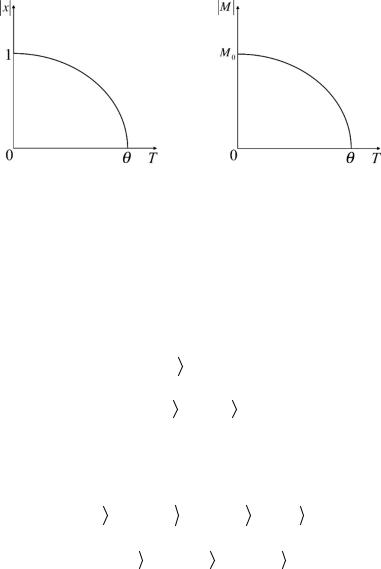
Fig. 14.1. Order parameter (left) and magnetization (right) dependencies on temperature for ferromagnets at H = 0
15. Ground and excited states of a ferromagnet in the Ising model
Recall the Hamiltonian in the Ising model in the absence of magnetic field
|
|
|
1 |
∑ |
/ |
|
|
|
|
(15.1) |
||
H = − |
|
|
Jij σiz |
σjz . |
||||||||
|
|
|
|
|
2 i, j |
|
|
|
|
|
|
|
At T = 0 the energy of the system is minimal E = E0 , where |
E0 is the |
|||||||||||
energy of the ground state. If |
|
Ψ0 |
is the ground state, then the follow- |
|||||||||
|
||||||||||||
ing expression is right |
|
|
|
|
|
|
|
|
|
|
||
ˆ |
|
Ψ0 |
= E0 |
|
Ψ0 . |
(15.2) |
||||||
|
|
|||||||||||
H |
|
|
||||||||||
It is common knowledge that any state of system of magnetic moments is defined by set of numbers σ1z ,σ2z ,...,σNz which are equal to ±1. The
total amount of these numbers {σnz } is equal to |
N . What should be |
|||||||||||||
these numbers for the ground state? Recall that |
|
|
|
|
|
|||||||||
|
|
|
|
|
{σnz } = σiz |
|
{σnz } = σiz |
|
Ψ . |
(15.3) |
||||
|
|
|
|
|
||||||||||
σiz |
|
Ψ = σiz |
|
|
|
|||||||||
Therefore |
|
|
|
|
|
|
|
|
|
|
|
|
|
|
|
|
|
|
Ψ = σiz σjz |
|
Ψ |
, |
(15.4) |
||||||
|
|
|
|
|
||||||||||
|
σiz σjz |
Ψ = σizσjz |
|
|
||||||||||
thus,
34

|
|
|
1 |
∑ |
/ |
Jij |
|
|
|
Ψ = |
|
|||||
|
|
|
||||||||||||||
H |
|
Ψ = − |
|
|
σiz σjz |
|
|
|||||||||
|
|
2 i, j |
|
|
|
|
|
|
|
|
|
(15.5) |
||||
|
|
|
|
|
|
|
|
|
|
|
|
|||||
|
|
|
|
Ψ = E |
|
Ψ . |
|
|||||||||
= |
−1 ∑/ Jij σizσjz |
|
|
|||||||||||||
|
2 i, j |
|
|
|
|
|
|
nz } |
|
|
||||||
|
|
|
|
|
|
|
{ |
|
is described as |
|||||||
So, energy of the state with arbitrary set of σ |
|
|
|
|
|
|||||||||||
|
|
E = − 1 ∑/ Jij σiz σjz . |
|
(15.6) |
||||||||||||
|
|
|
2 i, j |
|
|
|
|
|
|
|
|
|
|
|
(i, j). Thus |
|
Since both σiz and σjz |
are equal to ±1, then σizσjz = ±1 |
|||||||||||||||
the energy will be minimal if |
σiz = +1 and |
|
σjz |
= +1, or |
σiz = −1 and |
|||||||||||
σjz = −1 (i, j). As this takes place, the energy of the ground state is
described as |
|
1 ∑/ Jij . |
|
E0 |
= − |
(15.7) |
|
|
|
2 i, j |
|
In the “language of arrows” σiz = +1 is equivalent to ↑, and σiz = −1 is equivalent to ↓. Hence the ground state of the system is doubly degen-
erated: a) |
↑↑↑...↑↑ |
or b) |
↓↓↓...↓↓ |
. In other words, all magnetic |
|
|
|
|
|
|
+1 +1 +1 +1 +1 |
|
−1 −1 −1 −1 −1 |
|
moments have the same direction and aligned along or against the se-
lected axis. Since ∑/ |
N |
|
|
|
|
|
|
|
|
|
|||
Jij = ∑∑J (Rl )= Nθ, the energy of the ground |
|||||||||||||
|
|
|
i, j |
i=1 R |
≠0 |
|
|
|
|
|
|
|
|
|
|
|
|
(( |
|
|
|
|
|
|
|||
|
|
|
|
l |
|
|
|
|
|
|
|
|
|
state is |
|
|
θ |
|
|
|
|
|
|
|
|||
E = −1 |
|
|
|
|
|
|
|
||||||
|
|
|
|
Nθ. |
(15.8) |
||||||||
|
|
|
|
0 |
2 |
|
|
|
|
|
|
|
|
|
|
|
|
|
|
|
|
Ψ0 |
= |
|
+1,+1,+1... +1,+1 |
|
|
Ground state is |
equal |
|
to |
|
|
|
or |
||||||
|
|
|
|||||||||||
|
Ψ0 = |
|
−1,−1,−1... −1,−1 . |
|
|
|
|
Ψ1 |
. Let us find its energy |
E1 . |
|||
|
|
|
|
|
|
||||||||
|
Now, consider the first excited state |
|
|||||||||||
|
|
||||||||||||
For the sake of definiteness, we shall choose one of the ground states,
35