Материал: Маслов ИНТРОДУЦТИОН ТО ПХЫСИЦС ОФ СЕЦОНД-ОРДЕР МАГНЕТИЦ 2015
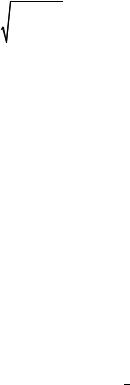
T < θ the |
solution x = 0 is |
maximum. |
Actually, |
in |
this case |
||
∂2 F (x,T ) |
|
= N [−θ +T ]< 0 . For |
x ≠ 0 let us |
consider |
two |
cases for |
|
∂x2 |
|||||||
|
|
|
|
|
|||
which we know the approximate analytical expressions for order parameter: 1) T < θ and T → θ− ; 2) T θ.
1. We earlier obtained (see § 14) that at T < θ and T → θ− the order
parameter was x ≈ |
|
|
− |
T |
. Therefore |
|
|
|
|
|
||||||||
|
3 1 |
θ |
|
|
|
|
|
|
||||||||||
|
|
|
|
|
|
|
|
|
|
|
|
|
|
|
|
|
||
|
∂2 F (x,T ) |
|
|
|
|
|
|
|
T |
|
|
|
|
|
T |
|
|
|
|
|
|
|
|
|
|
|
|
|
|
|
|
|
|
||||
|
|
= |
N −θ+ |
|
|
|
|
|
|
|
= N −θ+ |
|
|
|
|
= |
||
|
∂x2 |
|
|
|
|
|
|
|
T |
|
||||||||
|
|
|
|
|
1 |
|
− |
T |
|
3 |
− 2 |
|
|
|||||
|
|
|
|
|
|
−3 1 |
|
θ |
|
|||||||||
|
|
|
|
|
|
|
|
|
|
|
θ |
|
|
|
|
(16.13) |
||
|
|
|
|
|
|
|
|
|
|
|
|
|
|
|
|
|
|
|
=N −3T + 2θ+T ≈ 2N (θ−T )> 0.3Tθ − 2
So, this is the minimum.
2. We earlier obtained (see § 14) that at T θ the order parameter
was |
|
|
|
≈1− 2e−2 |
θ |
|
|
|
|
|
|
|
|
|
|
|
|
|
|
|
||||
|
x |
|
|
. Therefore |
|
|
|
|
|
|
|
|
|
|
|
|
||||||||
|
|
T |
|
|
|
|
|
|
|
|
|
|
|
|
||||||||||
|
|
|
|
|
|
|
|
|
|
|
|
|
|
|
|
|
|
|
|
|
|
|
|
|
|
|
|
|
|
∂ |
2 |
F (x,T ) |
|
|
|
T |
|
|
|
|
|
T |
|
|
|
|
|||
|
|
|
|
|
|
= N −θ+ |
|
|
|
|
|
|
= N −θ+ |
|
|
|
= |
|||||||
|
|
|
|
|
|
|
|
|
|
|
|
|
|
θ |
|
|
|
θ |
|
|||||
|
|
|
|
|
|
|
∂x2 |
|
1 |
|
−2 |
|
|
4e |
−2 |
|
|
|
||||||
|
|
|
|
|
|
|
|
|
(16.14) |
|||||||||||||||
|
|
|
|
|
|
|
|
|
|
|
− 1− 4e |
|
T |
|
|
T |
||||||||
|
|
|
|
|
|
|
|
|
|
|
|
|
|
|
|
|
|
|
|
|
|
|
|
|
|
|
|
|
|
|
|
|
|
|
|
|
|
|
|
|
|
|
|
|
|
|
|
||
T 2 θ
=N −θ+ 4 e T > 0.
So, this is the minimum as well.
It can be shown that at any given temperature 0 ≤T < θ solution of the Curie-Weiss equation with x ≠ 0 corresponds to local minimum of
F = F (x,T ), and solution with x = 0 corresponds to local maximum.
41
Finally, we obtain that at T > θ the paramagnetic state is realized, and at T < θ the ferromagnetic state occurs.
17. Free energy of a ferromagnet near the critical temperature
We found the Helmholtz free energy |
F = F (x,T, H ) at arbitrary T |
||||||||||||||||||||||||||||||||||||||||||||||||||||
and H : |
|
|
|
|
|
|
|
|
|
|
|
|
|
|
|
|
|
|
|
|
|
|
|
|
|
|
|
|
|
|
|
|
|
|
|
|
|
|
|
|
|
|
|
|
|
|
|
|
|
|
|
|
|
F = F (T, H )+ N |
|
− |
|
x2 |
|
θ− xh +T 1+ x ln 1+ x |
+T 1− x ln 1 |
− x . |
|||||||||||||||||||||||||||||||||||||||||||||
|
|
|
|||||||||||||||||||||||||||||||||||||||||||||||||||
0 |
|
|
|
|
2 |
|
|
|
|
|
|
|
|
|
|
|
|
|
|
|
|
|
|
|
2 |
|
|
|
|
|
|
|
|
|
|
|
2 |
|
|
2 |
|
|
|||||||||||
|
|
|
|
|
|
|
|
|
|
|
|
|
|
|
|
|
|
|
|
|
|
|
|
|
|
|
|
|
|
|
|
|
|
|
|
|
|
|
2 |
||||||||||||||
|
|
|
|
|
|
|
|
|
|
|
|
|
|
|
|
|
|
|
|
|
|
|
|
|
|
|
|
|
|
|
|
|
|
|
|
|
|
|
|
|
|
|
|
|
|
|
|
|
|
|
|
|
(17.1) |
The order parameter |
|
x = 0 at T > θ and |
|
|
|
x |
|
1 at T < θ and T → θ− . |
|||||||||||||||||||||||||||||||||||||||||||||
|
|
|
|||||||||||||||||||||||||||||||||||||||||||||||||||
Therefore we can approximately expand |
|
|
F = F (x,T, H ) |
into Taylor |
|||||||||||||||||||||||||||||||||||||||||||||||||
series at T ≈ θ up to O(x4 ) |
|
|
|
|
|
|
|
|
|
|
|
|
|
|
|
|
|
|
|
|
|
|
|
|
|
|
|
|
|
|
|
|
|
|
|
|
|
|
|||||||||||||||
|
|
1+ x |
|
|
|
|
|
+ x |
|
|
|
|
|
|
|
|
1+ x |
|
|
|
|
|
|
|
|
|
|
|
|
|
|
|
|
|
|
|
|
+ x |
|
|
|
||||||||||||
|
|
|
|
|
1 |
|
|
= |
|
|
ln |
(1+ x)− |
1 |
ln 2 ≈ |
|
|
|||||||||||||||||||||||||||||||||||||
|
|
|
2 |
|
ln |
|
2 |
|
|
|
|
|
2 |
|
|
2 |
|
|
|
||||||||||||||||||||||||||||||||||
|
|
|
|
|
|
|
|
|
|
|
|
|
|
|
|
|
|
|
|
|
|
|
|
|
|
|
|
|
|
|
|
|
|
|
|
|
|
|
|
||||||||||||||
|
≈ |
1 (1 |
+ x) x − |
|
x2 |
|
+ |
x3 |
|
− |
|
x4 |
|
− |
1 (1+ x)ln 2 ≈ |
|
|
||||||||||||||||||||||||||||||||||||
|
|
|
|
|
|
|
|
|
|
|
|
|
|
||||||||||||||||||||||||||||||||||||||||
|
|
|
2 |
|
|
|
|
|
|
|
|
|
|
|
|
2 |
|
|
|
|
|
3 |
|
|
|
|
|
|
|
4 |
|
|
|
|
2 |
|
|
|
|
|
(17.2) |
||||||||||||
≈ 1 |
|
|
|
x |
2 |
|
|
|
|
x |
3 |
|
|
|
|
x |
4 |
|
|
|
|
|
|
|
|
|
|
|
x |
3 |
|
|
|
|
|
|
x |
4 |
|
|
|
1 |
(1+ x)ln 2 = |
||||||||||
|
|
|
|
|
|
|
|
|
|
|
+ x2 − |
|
|
|
|
|
|
|
|
|
|||||||||||||||||||||||||||||||||
x − |
|
|
+ |
|
|
|
− |
|
|
|
|
+ |
|
|
|
|
− |
|
|||||||||||||||||||||||||||||||||||
|
|
|
|
|
|
|
|
|
|
|
|
|
|
|
|
|
|
|
2 |
|
|||||||||||||||||||||||||||||||||
2 |
|
|
2 |
|
3 |
|
|
|
4 |
|
|
|
|
|
|
|
|
|
|
2 |
|
|
|
|
|
3 |
|
|
|
|
|
|
|
||||||||||||||||||||
|
|
|
|
|
1 |
|
|
|
|
|
x |
2 |
|
|
|
|
|
x |
3 |
|
|
|
x |
4 |
|
|
|
|
|
|
|
1 |
(1+ x)ln 2. |
|
|
||||||||||||||||||
|
|
|
= |
x + |
|
|
|
|
− |
|
|
+ |
|
|
|
|
|
− |
|
|
|||||||||||||||||||||||||||||||||
|
|
|
2 |
2 |
|
|
6 |
|
|
|
|
|
|
|
2 |
|
|
||||||||||||||||||||||||||||||||||||
Analogously, |
|
|
|
|
|
|
|
|
|
|
|
|
|
|
|
|
12 |
|
|
|
|
|
|
|
|
|
|
|
|
|
|
|
|
|
|||||||||||||||||||
|
|
|
|
|
|
|
|
|
|
|
|
|
|
|
|
|
|
|
|
|
|
|
|
|
|
|
|
|
|
|
|
|
|
|
|
|
|
|
|
|
|
|
|
|
|
|
|
|
|
|
|
||
1− x |
|
1− x |
|
|
|
|
1 |
|
−x + |
|
x2 |
|
|
|
|
x3 |
|
|
|
|
|
x4 |
|
1 |
(1− x)ln 2. |
(17.3) |
|||||||||||||||||||||||||||
|
|
ln |
|
|
|
|
|
≈ |
|
|
|
|
|
|
|
+ |
|
|
|
|
|
|
|
+ |
|
|
|
|
|
− |
|
||||||||||||||||||||||
2 |
|
2 |
|
|
2 |
2 |
|
|
|
|
6 |
|
|
12 |
2 |
||||||||||||||||||||||||||||||||||||||
|
|
|
|
|
|
|
|
|
|
|
|
|
|
|
|
|
|
|
|
|
|
|
|
|
|
|
|
|
|
|
|
|
|
||||||||||||||||||||
Combine
42
|
|
|
1+ x |
|
|
1+ x |
|
|
|
1− x |
|
1− x |
|
|
|
||||||||||||
|
|
|
|
2 |
|
ln |
2 |
|
+ |
2 |
|
ln |
2 |
≈ |
|
|
|
||||||||||
|
|
|
|
|
|
|
|
|
|
|
|
|
|
|
|
|
|
|
|||||||||
|
|
|
1 |
|
|
x2 |
|
x3 |
|
|
x4 |
|
1 |
(1+ x)ln 2 + |
(17.4) |
||||||||||||
|
|
≈ |
|
x + |
|
|
− |
|
|
+ |
|
|
|
− |
|
||||||||||||
|
|
2 |
2 |
6 |
12 |
2 |
|||||||||||||||||||||
|
1 |
−x + |
x2 |
x3 |
x4 |
|
1 |
(1− x)ln 2 = |
x2 |
x4 |
|
||||||||||||||||
+ |
2 |
|
+ |
|
|
+ |
|
|
− |
|
|
+ |
|
−ln 2. |
|
||||||||||||
2 |
|
6 |
12 |
2 |
2 |
12 |
|
||||||||||||||||||||
For the Helmholtz free energy we obtain
F = F |
(T, H )+ N |
|
− |
x2 |
θ− xh +T |
x2 |
+T |
x4 |
|
, |
|
|
|
|
|||||||
0 |
|
2 |
2 |
12 |
|
|
||||
|
|
|
|
|
||||||
where F0 (T, H )= F0 (T, H )−T ln 2 . And finally,
F (x,T, H ) |
= |
F0 (T, H ) |
+ |
1 |
(T −θ)x |
2 |
+ |
|
T |
x |
4 |
− xh. |
N |
N |
2 |
|
12 |
|
|||||||
|
|
|
|
|
|
|
|
|||||
In order not to increase accuracy, let us assume that T = θ
T |
x4 |
|
|
|
|
|
|
|
|
|
|
|
|
|
12 |
|
|
|
|
|
|
|
|
|
|
|
|
||
|
F (x,T, H ) |
|
F0 (T, H ) |
|
|
|
|
|
|
|
|
|
|
|
|
|
= |
+ |
1 |
(T −θ)x |
2 |
+ |
|
θ |
x |
4 |
− xh. |
||
|
|
N |
N |
2 |
|
12 |
|
|||||||
|
|
|
|
|
|
|
|
|
|
|||||
(17.5)
(17.6) in the term
(17.7)
The Eq. (17.7) is correct at T > θ (x = 0) and at T → θ− . Let us analyze graphically the dependence F (x) at various T and H .
1. At T > θ and H = 0 , F (x) has the minimum at x = 0 (see Fig. 17.1), i.e., the atoms do not have the mean magnetic moments.
2. At T > θ and H > 0 , F (x) |
has the minimum at x > 0 due to the |
term −xh (see Fig. 17.2). |
H < 0 , F (x) has the minimum at |
3. Analogously, at T > θ and |
|
x < 0 (see Fig. 17.3). |
|
4. At T < θ and H = 0 , F (x) |
has two minima (see Fig. 17.4) divid- |
ed by barrier. Thus, the ground state is doubly degenerated: x > 0 or x < 0 .
43
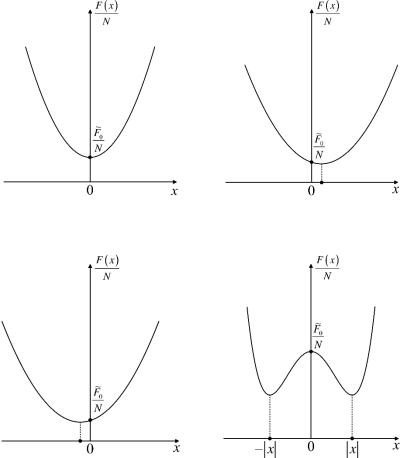
Fig. 17.1. Free energy dependence on x at T > θ and H = 0
Fig. 17.3. Free energy dependence on x at T > θ and H < 0
Fig. 17.2. Free energy dependence on x at T > θ and H > 0
Fig. 17.4. Free energy dependence on x at T <θ and H = 0
5. At T < θ and H ≠ 0 one of the minima becomes deeper (see Fig. 17.5), i.e., the magnetic field removes the degeneracy. Now, if the magnetic field tends to zero H →0 , the macroscopic system remains in the state corresponding to this deeper minimum, since the probability of tunneling through the barrier is very low.
44
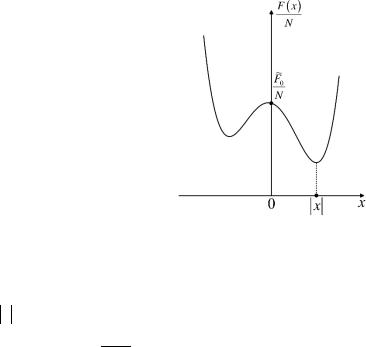
Fig. 17.5. Free energy dependence on x at T <θ and H > 0
18. Spontaneous symmetry breaking
at the paramagnetic-ferromagnetic transition
Earlier we showed (see § 13) that at T < θ and H = 0 the order parameter x ≠ 0 . This corresponds to two physically unequivalent states
with magnetization M = NVµB x > 0 and M < 0 for the magnetic mo-
ments alignment along and against the selected axis z, respectively. In other words, at T < θ and H = 0 the system state is doubly degenerated, i.e., two different states have the same values of energy. The reason
is the parity of Helmholtz free energy function |
F (x,T )= F (−x,T ) at |
|||||||
H = 0. This is apparent from the expression for F (x,T ) |
near the Curie |
|||||||
temperature |
|
|
|
|
|
|
|
|
F(x,T ) = F0 (T )+ N T −θ x2 |
+ |
|
|
|
θ |
x4 . |
|
(18.1) |
12 |
|
|||||||
2 |
|
|
|
|
||||
Note that at H ≠ 0 the expression for F (x,T ) takes the form |
|
|||||||
F(x,T ) = F0 (T )+ N T −θ x2 + |
θ |
|
|
|
x4 − xh |
, |
(18.2) |
|
12 |
|
|
||||||
2 |
|
|
|
|
|
|
||
45 |
|
|
|
|
|
|
|
|