Материал: Маслов ИНТРОДУЦТИОН ТО ПХЫСИЦС ОФ СЕЦОНД-ОРДЕР МАГНЕТИЦ 2015

namely |
|
Ψ |
0 |
= |
+1,+1,+1 |
+1 |
+1,+1 ≡ |
↑,↑,↑ ↑ ↑,↑ . The |
||||
|
||||||||||||
|
|
|
|
|
|
|
|
|
|
|
|
|
|
|
|
|
|
|
|
|
" " |
|
|
|
" " |
slightest excitement will be |
|
|
|
|
|
|||||||
|
|
|
|
−1 |
+1,+1 |
|
↑,↑,↑ ↓ ↑,↑ , |
|||||
|
Ψ |
1 |
= |
+1,+1,+1 |
≡ |
|||||||
|
||||||||||||
|
|
|
|
|
|
|
|
|
|
|
|
|
|
|
|
|
|
|
|
|
" " |
|
|
|
" " |
+1, |
i ≠ k; |
Therefore for the energy |
E1 we obtain |
|||
i.e., σiz = |
i = k. |
|||||
−1, |
|
|
|
|
|
|
|
E1 = − 1 ∑ |
|
N |
|
|
|
|
/ Jij σiz σjz |
= −1 ∑Jij σiz σjz = |
||||
|
|
2 i, j |
|
2 i, j=1 |
|
|
|
|
|
|
i≠ j |
|
|
= − |
1 ∑Jij σiz σjz |
− 1 ∑J j σ zσjz − |
1 ∑Ji |
σizσ z = |
||
|
2 i≠ j |
|
2 j≠ |
|
2 i≠ |
|
|
ij≠≠ |
+1 |
|
−1 |
|
−1 |
|
|
|
|
|
|
|
= −1 |
∑Jij |
+ 1 ∑J j + 1 ∑Ji = − 1 |
∑Jij − |
1 ∑J j − |
||
2 i≠ j |
2 j≠ |
2 i≠ |
2 i≠ j |
2 j≠ |
||
|
ij≠≠ |
|
|
|
ij≠≠ |
|
− 1 ∑Ji + ∑J j + ∑Ji = − 1 ∑/ Jij + 2∑J j . |
||||||
2 i≠ |
j≠ |
i≠ |
2 i, j |
|
j≠ |
|
Finally, for the energy of the first excited state we find
E1 = E0 + 2θ.
(15.9)
(15.10)
Thus, the energy spectrum has the gap, i.e., the first excited level of energy is separated from the ground level by 2θ.
16. Free energy of a ferromagnet in the Ising model
Helmholtz free energy is defined as F = E −TS , where E is the internal energy of the system and S is the entropy. Note that there is heat exchange with the environment (T = const ), the free energy must be
minimal. The internal energy can be described as E =  Hˆ
Hˆ  . Taking into
36
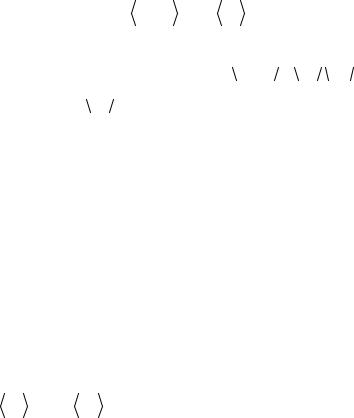
account |
|
that |
Hamiltonian |
in |
the |
Ising |
model |
is |
||||||
|
1 |
∑ |
/ |
|
|
|
|
|
, for internal energy we obtain |
|
||||
H = − |
|
|
Jij σiz σjz − h∑σiz |
|
||||||||||
|
2 i, j |
|
|
|
i |
|
|
|
|
|
|
|
|
|
|
|
|
|
|
E = − |
1 |
∑ |
/ |
Jij |
|
− h∑ |
|
(16.1) |
|
|
|
|
|
|
|
|
σiz σjz |
σiz . |
||||||
|
|
|
|
|
|
2 i, j |
|
|
|
i |
|
|
|
|
Considering the mean-field approximation (see § 11) we can rewrite the mean of the product as the product of the means  σiz σjz
  ≈
≈  σiz
σiz 
 σjz
σjz  .
.
Taking into account that  σiz
σiz  = x is the order parameter, we obtain for the internal energy
E = − |
1 ∑/ Jij x2 − h∑x = −1 x2 |
∑∑Jij − xh∑1 = |
|
||||
|
2 i, j |
|
i |
2 |
i j≠i |
i |
(16.2) |
|
|
|
x2 |
|
|
|
|
|
|
= − |
Nθ− xhN. |
|
|
||
|
|
2 |
|
|
|||
|
|
|
|
|
|
|
|
Let us find the entropy |
S = ln Γ , where |
Γ is the number of possible |
|||||
states of the system at a given temperature (here and after we omit the Boltzmann constant). Denote N↑ and N↓ as the number of magnetic
moments aligned along or against the selected axis z, respectively.
Therefore the total number |
of magnetic moments is equal to |
N = N↑ + N↓ . The difference |
N↑ − N↓ defines the total magnetic mo- |
ment of the system, i.e., magnetization:
µB N↑ +(−µB )N↓ = µB (N↑ − N↓ ).
On the other hand, the total magnetic moment of the system can be de-
scribed as |
|
|
N = xµB N . Thus, we can rewrite the order |
|||
µiz |
N = µB σiz |
|||||
parameter in the following form |
N↑ − N↓ |
|
|
|||
|
|
|
x = |
. |
(16.3) |
|
|
|
|
|
|||
|
|
|
|
N |
|
|
Actually, if N↑ = N↓ , then x = 0 , therefore the order is missing; on the
|
N |
↑ |
= N, N |
↓ |
= 0 x =1; |
|
|
other hand, if |
|
|
|
|
then the “apple-pie order” |
||
|
|
= N, N |
|
= N |
x = −1, |
||
|
N |
↓ |
↑ |
|
|||
|
|
|
|
|
|
||
37
is presented. Since x = x(T ), the difference N↑ − N↓ depends on tem-
perature as well. This fact imposes a limitation on Γ, i.e., the number of possible states of the system at a given temperature implies the number of possible states of the system at a given difference N↑ − N↓ . Let us
find the Γ
Γ = CNN↑ = |
|
N ! |
|
= |
N ! |
|
= CNN↓ . |
(16.4) |
|
N↑ |
!(N − N↑ )! |
N↑ !N↓ ! |
|||||||
|
|
|
|
||||||
Taking into account the Stirling’s formula ln(n!)≈ nln n −n we obtain for the entropy
S = ln Γ = ln (N !)−ln (N↑ !)−ln (N↓ !)≈ |
|
|
|
|
|
|
|
|
|
|
|
|
|
|
|
|
|
|
|
|
||||||||||||||||||||||||||||||||||||||||||||||||||
|
|
|
N |
|
|
|
|
|
|
|
|
N↑ |
|
|
|
|
|
|
|
|
|
|
N↓ |
|
|
|
|
|
|
|
|
|
|
|
|
|
|
|
|
|
|
|
|
|||||||||||||||||||||||||||
≈ N ln |
|
|
|
|
|
|
− |
N↑ ln |
|
|
|
|
|
|
|
|
|
− N↓ ln |
|
|
|
|
|
|
|
|
|
= |
|
|
|
|
|
|
|
|
|
|
|
|
|
|
|
|
||||||||||||||||||||||||||
|
e |
|
|
|
e |
|
|
|
|
|
|
e |
|
|
|
|
|
|
|
|
|
|
|
|
|
|
|
|
|
|||||||||||||||||||||||||||||||||||||||||
|
|
|
|
|
|
|
|
|
|
|
|
|
|
|
|
|
|
|
|
|
|
|
|
|
|
|
|
|
|
|
|
|
|
|
|
|
|
|
|
|
|
|
|
|
|
|
|
|
|
|
|
|
|
|
|
|
|
|||||||||||||
= N↑ |
|
|
|
|
|
N |
|
|
|
|
|
|
|
N↑ |
|
+ N↓ |
|
|
|
|
N |
|
|
|
|
|
|
N↓ |
|
|
|
|
|
|
|
|
|
(16.5) |
||||||||||||||||||||||||||||||||
ln |
|
|
|
|
|
|
−ln |
|
|
|
|
|
|
|
|
ln |
|
|
|
|
|
−ln |
|
|
|
|
|
|
= |
|
|
|
|
|
|
|
||||||||||||||||||||||||||||||||||
|
|
e |
|
|
|
e |
|
|
|
|
e |
|
|
|
|
|
|
|
||||||||||||||||||||||||||||||||||||||||||||||||||||
|
|
|
|
|
|
|
|
|
|
|
|
|
|
|
|
|
|
|
|
|
|
|
|
|
|
|
|
e |
|
|
|
|
|
|
|
|
|
|
|
|
|
|
|
|
|
|||||||||||||||||||||||||
= N |
|
|
|
|
|
|
|
N |
|
|
+ N |
|
|
|
|
|
|
|
N |
|
|
= N |
N↑ |
|
|
|
|
N |
|
|
|
N↓ |
|
N |
|
|
|
|||||||||||||||||||||||||||||||||
|
ln |
|
|
|
|
|
|
|
|
|
ln |
|
|
|
|
|
|
|
|
|
|
|
|
|
|
|
|
ln |
|
|
|
|
+ |
|
|
|
ln |
|
|
|
|
|
= |
|||||||||||||||||||||||||||
|
↑ |
|
|
|
|
N |
|
|
|
|
|
|
|
|
↓ |
|
|
|
|
N |
↓ |
|
|
|
|
|
|
|
|
|
N |
|
|
|
N |
↑ |
|
|
|
N |
N |
↓ |
|
|
|
|||||||||||||||||||||||||
|
|
|
|
|
|
|
|
|
|
|
↑ |
|
|
|
|
|
|
|
|
|
|
|
|
|
|
|
|
|
|
|
|
|
|
|
|
|
|
|
|
|
|
|
|
|
|
|
|
|
|
|
|
|
|
|
|
|||||||||||||||
|
|
|
|
|
|
|
|
|
|
|
|
|
|
|
|
|
|
|
|
|
|
|
|
|
|
|
|
|
|
|
|
|
|
|
|
|
|
|
|
|
|
|
|
|
|
|
|
|
|
|
|
|
|
|
||||||||||||||||
= −N |
N |
↑ |
|
|
|
|
|
N |
↑ |
|
|
|
|
|
|
N |
↓ |
|
|
|
|
|
N |
↓ |
|
|
|
|
|
|
|
|
|
|
|
|
|
|
|
|
|
|
|
|
|
|
|
|
|
|
|
|
|
|||||||||||||||||
|
|
|
|
ln |
|
|
|
|
+ |
|
|
|
|
|
ln |
|
|
|
. |
|
|
|
|
|
|
|
|
|
|
|
|
|
|
|
|
|
|
|
|
|
||||||||||||||||||||||||||||||
|
N |
|
|
|
N |
|
|
N |
|
N |
|
|
|
|
|
|
|
|
|
|
|
|
|
|
|
|
|
|
|
|
|
|||||||||||||||||||||||||||||||||||||||
|
|
|
|
|
|
|
|
|
|
|
|
|
|
|
|
|
|
|
|
|
|
|
|
|
|
|
|
|
|
|
|
|
|
|
|
|
|
|
|
|
|
|
|
|
|
|
|
|
||||||||||||||||||||||
Express |
|
N↑ |
|
|
|
and |
N↓ |
|
by the order parameter x |
|
|
|
|
|
|
|
|
|
|
|
|
|
||||||||||||||||||||||||||||||||||||||||||||||||
|
|
|
|
|
N |
|
|
|
|
|
|
|
|
|
N |
|
|
|
|
|
|
|
|
|
|
|
|
|
|
|
|
|
|
|
|
|
|
|
|
|
|
|
|
|
|
|
|
|
|
|
|
|
|
|
|
|
|
|
|
|
|
|
|
|
|
|||||
|
|
|
|
|
|
|
x |
= |
N↑ − N↓ |
|
= |
|
N↑ |
− |
N↓ |
= |
|
N − N↓ |
− |
N↓ |
=1− 2 |
N↓ |
. |
(16.6) |
||||||||||||||||||||||||||||||||||||||||||||||
|
|
|
|
|
|
|
|
|
|
|||||||||||||||||||||||||||||||||||||||||||||||||||||||||||||
|
|
|
|
|
|
|
|
|
|
|||||||||||||||||||||||||||||||||||||||||||||||||||||||||||||
|
|
|
|
|
|
|
|
|
|
|
||||||||||||||||||||||||||||||||||||||||||||||||||||||||||||
|
|
|
|
|
|
|
|
|
|
|||||||||||||||||||||||||||||||||||||||||||||||||||||||||||||
|
|
|
|
|
|
|
|
|
|
|
||||||||||||||||||||||||||||||||||||||||||||||||||||||||||||
Therefore |
|
|
|
|
|
|
|
|
|
|
N |
|
|
|
|
|
|
|
|
|
|
N |
|
|
|
|
|
N |
|
|
|
|
|
|
|
|
|
N |
|
|
|
|
N |
|
|
|
|
N |
|
|
|
|
||||||||||||||||||
|
|
|
|
|
|
|
|
|
|
|
|
|
|
|
|
|
|
|
|
N↓ |
|
|
|
|
|
|
|
|
|
|
|
|
|
|
N↑ |
|
|
|
|
|
|
|
|
|
|
|
|
|
|
|
|
|
|
|
|
|||||||||||||||
|
|
|
|
|
|
|
|
|
|
|
|
|
|
|
|
|
|
|
|
|
|
|
|
|
|
= |
1 |
− x |
; |
|
|
|
|
= |
1+ x |
. |
|
|
|
|
|
|
|
|
|
|
|
(16.7) |
||||||||||||||||||||||
|
|
|
|
|
|
|
|
|
|
|
|
|
|
|
|
|
|
|
|
|
|
|
|
|
|
|
|
N |
|
|
|
|
2 |
|
|
|
|
|
N |
|
2 |
|
|
|
|
|
|
|
|
|
|
|
|
|
||||||||||||||||
|
|
|
|
|
|
|
|
|
|
|
|
|
|
|
|
|
|
|
|
|
|
|
|
|
|
|
|
|
|
|
|
|
|
|
|
|
|
|
|
|
|
|
|
|
|
|
|
|
|
|
|
|
|
|
|
|
|
|
|
|||||||||||
Finally, for the entropy we obtain |
|
|
|
|
|
|
|
|
|
|
|
|
|
|
|
|
|
|
|
|
|
|
|
|
|
|
|
|
|
|||||||||||||||||||||||||||||||||||||||||
|
|
|
|
|
|
|
|
|
|
|
|
|
|
S = −N |
|
1+ x |
ln |
1+ x |
+ |
1− x |
|
|
1− x |
|
|
|
|
|
|
(16.8) |
||||||||||||||||||||||||||||||||||||||||
|
|
|
|
|
|
|
|
|
|
|
|
|
|
|
|
2 |
|
|
|
|
|
|
2 |
|
|
|
|
|
|
2 |
|
ln |
|
2 |
. |
|
|
|
|
|
|
|||||||||||||||||||||||||||||
|
|
|
|
|
|
|
|
|
|
|
|
|
|
|
|
|
|
|
|
|
|
|
|
|
|
|
|
|
|
|
|
|
|
|
|
|
|
|
|
|
|
|
|
|
|
|
|
|
|
|
|
|
|
|
||||||||||||||||
38

Note that at x = 0 (no order), S = N ln 2 , so, Γ = 2N – every magnetic moment has an arbitrary direction. Ultimately the Helmholtz free energy is described as
|
x2 |
|
1+ x |
|
1+ x |
|
1− x |
|
1− x |
(16.9) |
|||
F = N − |
|
θ− xh +T |
|
ln |
|
|
+T |
|
ln |
|
. |
||
2 |
2 |
2 |
2 |
2 |
|||||||||
|
|
|
|
|
|
|
|
||||||
In general, we must include in the Eq. (16.9) the term F0 (T, H ), which
does not depend on the order parameter, i.e., it is not associated with magnetic subsystem, but includes phonon contribution, etc.
So, we obtained F = F (x,T, H ). Let us find F = F (T, H ). To do this, we should find x = x(T, H ) from the conditions of F = F (x,T, H )
minimum at T = const and H = const . So, let us find |
∂F (x,T, H ) |
|
|||||||||||||||
|
|||||||||||||||||
|
|
∂F0 |
(T, H ) |
|
|
|
|
|
|
|
|
|
|
|
∂x |
||
considering that |
= 0 |
|
|
|
|
|
|
|
|
|
|
|
|
||||
|
|
∂x |
|
|
|
|
|
|
|
|
|
|
|
|
|||
|
∂F (x,T, H ) |
|
|
|
|
|
|
|
|
|
|
|
|
|
|
||
|
|
|
|
T |
|
1 |
+ x |
|
T |
|
1 |
− x |
|
|
|||
|
|
|
= N −xθ− h + |
|
ln |
|
|
− |
|
ln |
|
|
= |
|
|||
|
∂x |
|
2 |
|
2 |
|
|
||||||||||
|
|
|
|
|
|
|
2 |
|
|
|
2 |
(16.10) |
|||||
|
|
|
|
|
|
T |
|
1 |
+ x |
|
|
|
|
|
|
||
|
|
|
|
|
|
|
|
|
|
|
|
||||||
|
|
|
= N −xθ− h + |
2 |
ln |
1 |
. |
|
|
|
|
|
|
|
|||
|
|
|
|
|
|
|
− x |
|
|
|
|
|
|
|
|
||
From the condition on the extremum ∂F (x,T, H ) = 0 , we obtain
∂x
39

T |
|
|
1+ x |
= xθ+ h; |
||
2 |
ln |
|
||||
|
|
1− x |
|
|
||
|
e |
2 |
(xθ+h) = |
1+ x |
; |
|
|
T |
|||||
|
1− x |
|||||
|
|
|
|
|
|
|
|
|
(1− x)e |
2 |
(xθ+h) =1+ x; |
|
|
||||
|
|
T |
|
|
||||||
|
2 |
(xθ+h) |
|
|
|
|
2 |
(xθ+h) |
|
(16.11) |
eT |
−1 |
|
|
|
; |
|||||
|
= x 1+ eT |
|
|
|||||||
|
|
|
|
|
|
|
|
|
|
|
2(xθ+h)
x = eT2 (xθ+h) −1;
eT +1
x = tanh xθT+ h .
Finally, we obtain the Curie-Weiss equation for the order parameter. We already know that this equation for H = 0 and T > θ has only one solu-
tion |
x = 0 , and for H = 0 and T < θ there are three solutions x = 0 , |
||||||
x > 0 |
and x < 0 , i.e., |
∂F (x,T, H ) |
= 0 |
at three different |
x . To obtain |
||
|
|||||||
|
|
∂x |
|
∂2 F (x,T ) |
|
||
the minimum, let us find the second derivative |
(next, we as- |
||||||
∂x2 |
|||||||
|
|
|
|
|
|
||
sume that the magnetic field is zero). Recall that the condition on the
minimum is |
∂2 F (x,T ) |
> 0 |
|
|
|
|
|
|
|
|
∂x2 |
|
|
|
|
|
|
|
|
||
|
|
|
|
|
|
|
|
|
|
|
|
∂2 F (x,T ) |
|
|
T 1 |
− x (1 |
− x)+(1+ x) |
|
|||
|
|
= N |
−θ+ |
|
|
|
|
(1− x)2 |
|
= |
|
∂x2 |
2 1 |
+ x |
|||||||
|
|
|
|
(16.12) |
||||||
|
|
|
|
T |
|
|
|
|
|
|
|
|
|
|
|
|
|
|
|
|
|
|
|
= N |
−θ+ |
|
|
|
. |
|
|
|
|
|
1− x |
2 |
|
|
|
||||
|
|
|
|
|
|
|
|
|
||
Let us check the results obtained. At T > θ we have only one solution
x = 0 , thus |
∂2 F (x,T ) |
= N [−θ+T ]> 0 , therefore this is minimum. At |
|
∂x2 |
|||
|
|
40