Материал: part17

Внимание! Если размещение файла нарушает Ваши авторские права, то обязательно сообщите нам

Page 286​

DICOM PS3.17 2020a - Explanatory Information​

networkprotocol(seePS3.18),usingoneoftheformatsbroadlysupportedinWebbrowsers(image/jpegorvideo/mpeg)​ as the requested content type.​

2.​In CDA Release 1, the markup tag for hyperlinks is <link_html> within the scope of a <link> tag.​

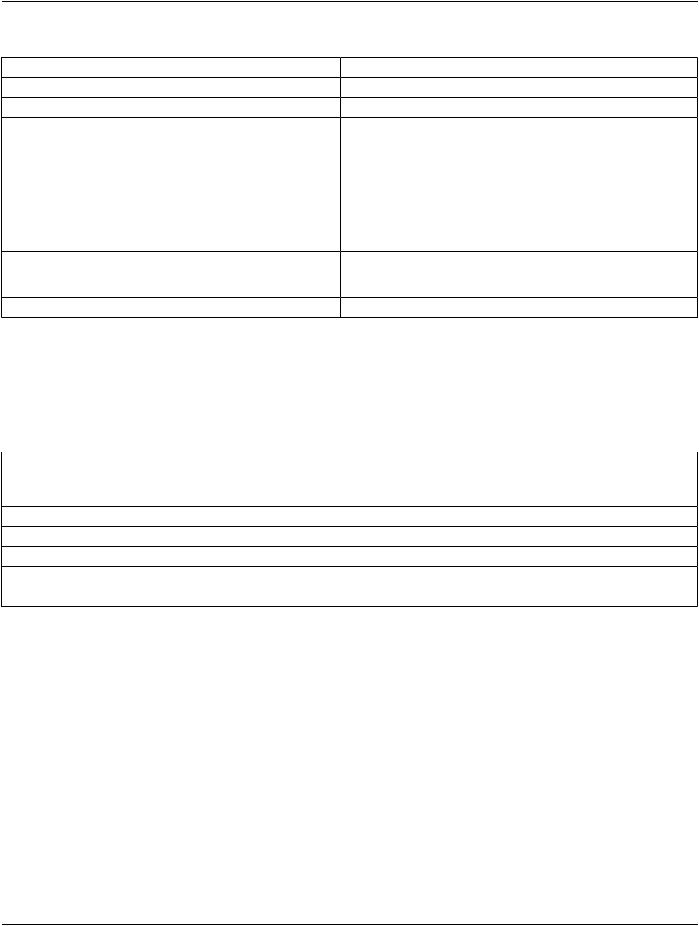
Table X.3-1. WADO Reference in an HL7 CDA <linkHtml>​

WADO Component​

Source​

<scheme>:// <authority> / <path>​

Configuration setting, used by the conversion process, identifying the WADO server​

?requestType=WADO​

Fixed​

&studyUID =<uid>​

Study Instance UID for referenced image obtained from the Current Requested​


Procedure Evidence Sequence or the Pertinent Other Evidence Sequence in the KO​


Instance​

&seriesUID= <uid>​

Series Instance UID for referenced image obtained from the Current Requested​


Procedure Evidence Sequence or the Pertinent Other Evidence Sequence in the KO​


Instance​

&objectUID= <uid>​

Referenced SOP Instance UID from IMAGE content item​

&frameNumber= <list>​

Referenced Frame Number from IMAGE content item (if present)​

&presentationUID= <uid>​

ReferencedSOPInstanceUIDfromReferencedSOPSequencewithinIMAGEcontent​


item​

&presentationSeriesUID= <uid>​

Series Instance UID for referenced presentation state obtained from the Current​


Requested Procedure Evidence Sequence or the Pertinent Other Evidence Sequence​


in the KO Instance​

&contentType=video/mpeg​

Present if Referenced SOP Class UID from IMAGE content item is for a Multi-frame​


Image IOD​

Note​


1.​Literal strings are in normal typeface, while <italic typeface within angle brackets> indicates values to be copied from​ the identified source.​

2.​The default contentType for single frame images is image/jpeg, which does not need to be specified as a WADO com-​ ponent. However, the default contentType for multiple frame images is application/dicom, which needs to be overridden​ with the specific request for video/mpeg.​

3.​Thereisnotyetastandardmechanismforminimizingthepotentialforstalenessofthe<scheme>://<authority>/<path>com-​ ponent.​

X.3.4 Icons​

If the IMAGE content item includes an Icon Image Sequence, the report creation process may embed the icon in the Section.Text​ narrative. The Icon Image Sequence Pixel Data is converted into an image file, e.g., in JPEG or GIF format, and base64 encoded.​ ThefileisencodedinanObservationMediaentryintheCDAinstance,anda<renderMultimedia>tagreferencetotheentryisencoded​ in the Section.Text adjacent to the <linkHtml> of the image reference.​

X.3.5 Structured Entries​

The Current Requested Procedure Evidence Sequence (0040,A375) of the KO instance lists all the SOP Instances referenced in the​ IMAGEcontentitemsintheirhierarchicalStudy/Series/Instancecontext.ItisrecommendedthatthislistbetranscodedtoCDAEntries​ in a Section with Section.Title "DICOM Object Catalog" and a Section.Code of 121181 from the DICOM Controlled Terminology (see​ PS3.16).​

Note​

1.​Structured Entries are not defined in CDA Release 1.​

- Standard -​

DICOM PS3.17 2020a - Explanatory Information​

Page 287​

2.​Since the image hypertext links in the Section narrative may refer to both an image and a softcopy presentation state,​ as well as possibly being constrained to specific frame numbers, in general there is not a simple mapping from the​ <linkHtml> to an entry. Therefore it is not expected that there would be ID reference links between the <linkHtml> and​ related entries.​

The purpose of the Structured Entries is to allow DICOM-aware applications to access the referenced images in their hierarchical​ context.​

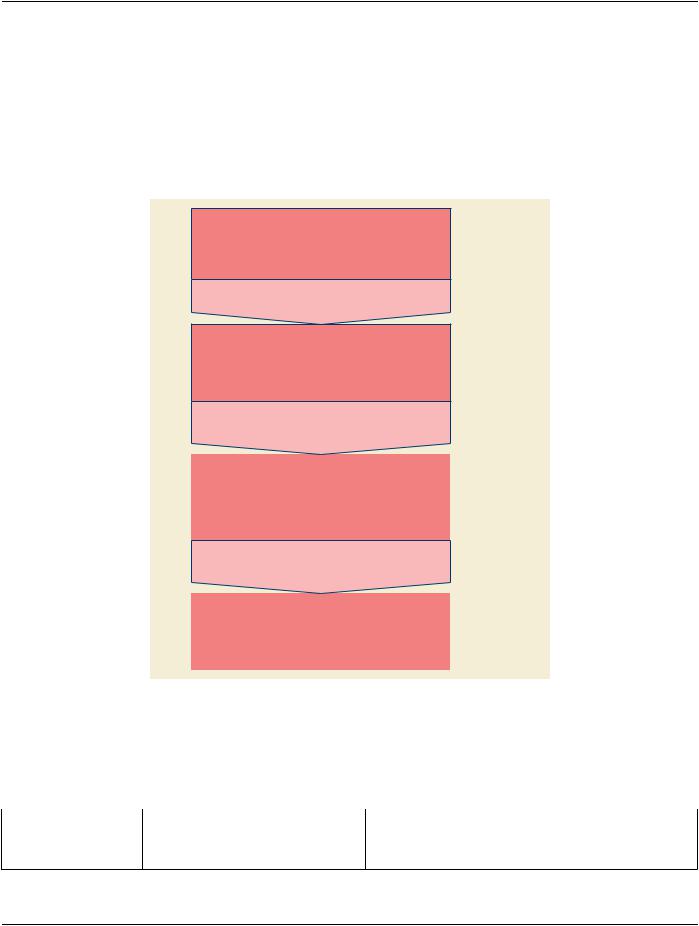
The encoding of the DICOM Object References in CDA Entries is shown in Figure X.3-1 and Tables X.3-2 through X.3-6. All of the​ mandatory data elements for the Entries are available in the Current Requested Procedure Evidence Sequence; optional elements​ (e.g., instance DateTimes) may also be included if known by the encoding application.​

Section

classCode*: <= DOCSECT moodCode*: <= EVN

id: II [0..1]

code: CE CWE [0..1] <= DocumentSectionType (”DICOM Object Catalog” DICOM Code: 121181)

title: ST [0..1]

entry

typeCode*: <= x_ActRelationshipEntry contextConductionInd*: [1..1] “true”

Act

classCode*: <= ACT moodCode*: <= EVN

id: II [1..1] (StudyInstance UID (0020,000D) code: [1..1] <= ExternallyDefinedActCodes (”DICOM Study” DICOM Code: 113014)

title: ST (StudyDescription (0008,1030)

effectiveTime: TS (Study Date (0008,0020) and Study Time (0008,0030)

entryRelationship

typeCode*: ) CNE <= x_ActRelationshipEntryRelationship (COMP) contextControlCode*: CS CNE [1..1] <= ContextControl “AP” contextConductionInd*: BL [1..1] “true”

1..* Act

1..* Act

Act


classCode*: <= ACT


moodCode*: <= EVN


id: II [1..1] (SeriesInstance UID (0020,000E)


code: [1..1] <= ExternallyDefinedActCodes


(”DICOM Series” DICOM Code: 113015 postcoordinated with qualifier name


“modality DICOM Code: 121139 and qualifier value modality (0008,0060))


text: ST (SeriesDescription (0008,103E)


effectiveTime: TS (Series Date (0008,0021) and Series Time (0008,0031)


entryRelationship


typeCode*: ) CNE <= x_ActRelationshipEntryRelationship (COMP)


contextControlCode*: CS CNE [1..1] <= ContextControl “AP”


contextConductionInd*: BL [1..1] “true”

1..* Observation


Observation


classCode*: <= DGIMG


moodCode*: <= EVN


id: II [1..1] (SeriesInstance UID (0008,0018)


code: [1..1] CWE <= ExternallyDefinedActCodes


(SOP CLASS UID CODE (0008,0016)


text: (WADO Reference)


effectiveTime: TS (Content Date (0008,0023) and Content Time (0008,0033)


Figure X.3-1. CDA Section with DICOM Object References​

Note​

The format of Figure X.3-1 follows the conventions of HL7 v3 Reference Information Model diagrams.​

Table X.3-2. DICOM Study Reference in an HL7 V3 Act (CDA Act Entry)​

Attribute​

Data Type​

Multiplicity​

Value​

classCode​

CS​

1..1​

ACT​

moodCode​

CS​

1..1​

EVN​

- Standard -​

Page 288​

DICOM PS3.17 2020a - Explanatory Information​

Attribute​

Data Type​

Multiplicity​

Value​

id​

II​

1..1​

<Study Instance UID (0020,000D) as root property with no​


extension property >​

code​

CD​

1..1​

<113014 as code property,​


1.2.840.10008.2.16.4 as codeSystem property,​


DCM as codeSystemName property,​


"DICOM Study" as displayName property>​

text​

ST​

0..1​

<Study Description (0008,1030) >​

effectiveTime​

TS​

0..1​

< Study Date (0008,0020) and Study Time (0008,0030) >​


Table X.3-3. DICOM Series Reference in an HL7 V3 Act (CDA Act Entry)​

Attribute​

Data Type​

Multiplicity​

Value​

classCode​

CS​

1..1​

ACT​

moodCode​

CS​

1..1​

EVN​

id​

II​

1..1​

<Series Instance UID (0020,000E) as root property with no​


extension property >​

code​

CD​

0..1​

<113015 as code property,​


1.2.840.10008.2.16.4 as codeSystem property,​


DCM as codeSystemName property,​


"DICOM Series" as displayName property,​


Modality as qualifier property (see text and Table X.3-4) >​

text​

ST​

0..1​

< Series Description (0008,103E) >​

effectiveTime​

TS​

0..1​

< Series Date (0008,0021) and Series Time (0008,0031) >​

The code for the Act representing a Series uses a qualifier property to indicate the modality. The qualifier property is a list of coded​ name/value pairs. For this use, only a single list entry is used, as described in Table X.3-4.​

Table X.3-4. Modality Qualifier for The Series Act.Code​

Property​

Data Type​

Value​

name​

CV​

<121139 as code property,​


1.2.840.10008.2.16.4 as codeSystem property,​


DCM as codeSystemName property,​


"Modality" as displayName property>​

value​

CD​

< Modality (0008,0060) as code property,​

1.2.840.10008.2.16.4 as codeSystem property,​

DCM as codeSystemName property,​

Modality code meaning (from PS3.16) as displayName property>​

- Standard -​

DICOM PS3.17 2020a - Explanatory Information​ Page 289​

Table X.3-5. DICOM Composite Object Reference in an HL7 V3 Act (CDA Observation Entry)​

Attribute​

Data Type​

Multiplicity​

Value​

classCode​

CS​

1..1​

DGIMG​

moodCode​

CS​

1..1​

EVN​

id​

II​

1..1​

<SOPInstanceUID(0008,0018)asrootpropertywithnoextension​


property>​

code​

CD​

1..1​

< SOP Class UID (0008,0016) as code property,​


1.2.840.10008.2.6.1 as codeSystem property,​


DCMUID as codeSystemName property,​


SOP Class UID Name (from PS3.6) as displayName property>​

text​

ED​

0..1​

<application/DICOM as mediaType property,​


WADO reference (see Table X.3-6) as reference property>​

effectiveTime​

TS​

0..1​

< Content Date (0008,0023) and Content Time (0008,0033) >​

Note​

1.​The DGIMG class is used to reference all DICOM Composite Instances, not just diagnostic images.​

2.​TheObservation.TextreferencepropertymayalternativelyuseaDICOMprotocolbasedURI,ratherthanWADO,should​ such a URI be defined.​

Table X.3-6. WADO Reference in an HL7 DGIMG Observation.Text​

WADO Component​

Source​

<scheme>:// <authority> / <path>​

Configuration setting, used by the conversion process, identifying the​


WADO server​

?requestType=WADO​

Fixed​

&studyUID =<uid>​

Study Instance UID for referenced instance​

&seriesUID= <uid>​

Series Instance UID for referenced instance​

&objectUID= <uid>​

SOP Instance UID for referenced instance​

&contentType=application/DICOM​

Fixed​

X.4.3 Using The WADO Reference For DICOM Network Protocol Retrievals​

An application that receives a CDA with image references, and is capable of using the full services of DICOM upper layer protocol​ directly,canusetheWADOparametersineitherthelinkHtmlorintheDGIMGObservation.TexttoretrievetheobjectusingtheDICOM​ network services. Such an application would need to be pre-configured with the hostname/IP address, TCP port, and AE Title of the​ DICOM object server (C-MOVE or C-GET SCP); this network address is not part of the WADO string. (Note that pre-configuration of​ this network address is typical for DICOM applications, and is facilitated by the LDAP-based DICOM Application Configuration Man-​ agement Profile; see PS3.15.)​

TheapplicationwouldopenaQuery/RetrieveServiceAssociationwiththeconfiguredserver,andsendaC-MOVEorC-GETcommand​ usingthestudy,series,andobjectinstanceUIDsidentifiedintheWADOqueryparameters.Suchanapplicationmightalsoreasonably​ query the server for related objects, such as Grayscale Softcopy Presentation State.​

Note​

When using the C-GET service, the retrieving application needs to specify and negotiate the SOP Class of the retrieved​ objects when it opens the Association. This information is not available in the linkHtml WADO reference; however, it is​ available in the DGIMG Observation.Code. It may also be obtained from the configured server using a C-FIND query on a​ prior Association.​

- Standard -​

Page 290​

DICOM PS3.17 2020a - Explanatory Information​

X.4 Simultaneous SR and CDA Instance Creation​

The report may be created as both an SR instance and a CDA instance. In this case, the two instances are equivalent, and can cross-​ reference each other.​

X.4.1 Equivalence​

The CDA Document shall contain clinical content equivalent to the SR Document.​

Note​

The HL7 CDA standard specifically addresses transformation of documents from a non-CDA format. The requirement in the​ CDA specification is: "A proper transformation must ensure that the human readable clinical content of the report is not im-​ pacted."​

ThereisnorequirementthatthetransformortranscodingbetweenDICOMSRandHL7CDAbereversible.Inparticular,someAttributes​ of the DICOM Patient, Study, and Series IEs have no corresponding standard encoding in the HL7 CDA Header, and vice versa.​ Such data elements, if transcoded, may need to be encoded in "local markup" (in HL7 CDA) or private data elements (in DICOM SR)​ in an implementation-dependent manner; and some such data elements may not be transcoded at all. It is a responsibility of the​ transforming application to ensure clinical equivalence.​

Many Attributes of the SR Document General Module can be transcoded to CDA Header participations or related acts.​

X.4.2 Document Cross-reference​

Due to the inherent differences between DICOM SR and HL7 CDA, a transcoded document will have a different UID than the source​ document.However,theSRDocumentmayreferencetheCDADocumentasequivalentusingtheEquivalentCDADocumentSequence​ (0040,A090) Attribute, and the CDA Document may reference the SR Document with a relatedDocument act relationship.​

Since the ParentDocument target of the relatedDocument relationship is constrained to be a simple DOCCLIN act, it is recommended​ that the reference to the DICOM SR be encoded per Table X.3-4, without explicit identification of the Study and Series Instance UIDs,​ and with classCode DOCCLIN (rather than DGIMG).​

Note​

1.​The Study and Series Instance UIDs would be encoded in the WADO reference in the Act.Text ED data type.​

2.​CDA Release 1 does not provide a standard for the relatedDocument relationship to another document.​

- Standard -​

Источник: https://studfile.net/preview/14585770/