Материал: The_Future_of_Hydrogen-IEA-2020

The Future of Hydrogen |
Chapter 1: Introduction |
|
|
|
|
the report are listed in an annex to the report that is available to download from the IEA website. For ease of use, single values or mid-points are given in the text and figures in many places. In some cases, and in particular for less mature technologies, this approach does not reflect the full range of different values quoted by reliable experts in the field. To the extent possible, other considerations relating to social and political headwinds and tailwinds are highlighted and material provided on the IEA website for readers to explore sensitivity analyses.
For the purposes of illustration, this report presents examples of costs and levels of demand at three different times: today (with 2018 as the base year), 2030, and the long term (the period after 2030). For future time periods, fuel prices, levels of demand and other parameters are extracted from recent IEA global energy system modelling exercises. Where current trends to 2030 are referenced, these are in line with the New Policies Scenario of the IEA World Energy Outlook 2018 (IEA, 2018c). Where pathways compatible with the goals of the Paris Agreement on climate change are referenced, these are in line with the Sustainable Development Scenario (SDS) of the IEA World Energy Outlook 2018. The SDS is fully aligned with the Paris Agreement’s goal of holding the increase in the global average temperature to well below 2°C above pre-industrial levels and pursuing efforts to limit the temperature increase to 1.5°C, as well as with the achievement of the United Nations Sustainable Development Goals on universal access to energy and reducing the severe health impacts of air pollution.
Hydrogen and energy: A primer
How is hydrogen produced and used today?
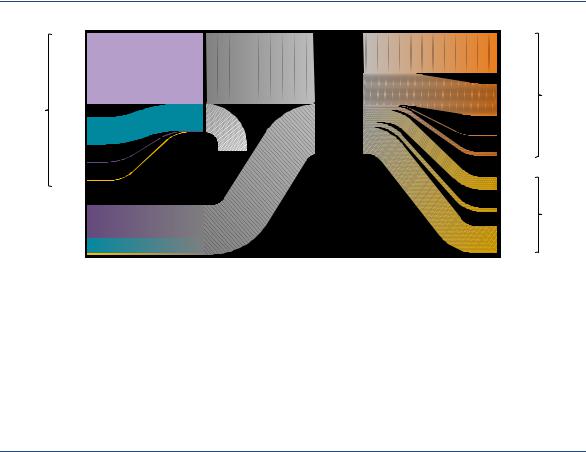
This report identifies around 70 million tonnes (Mt) of current demand worldwide for “pure” hydrogen, with “pure” meaning that the specific applications require hydrogen with only small levels of additives or contaminants tolerated (Figure 6). The main applications for this hydrogen are oil refining and ammonia production, mainly for fertilisers. A further 45 Mt of demand exists for hydrogen as part of a mixture of gases, such as synthesis gas, for fuel or feedstock. The main applications for hydrogen as part of a mixture of gases are methanol production and steel production. While one-third of hydrogen demand today is for transport sector applications in a broad sense – in refineries and for methanol used in vehicle fuel – less than 0.01 Mt per year of pure hydrogen (less than 0.03 Mtoe) is used in FCEVs, most of which is derived from natural gas.
The overwhelming majority of hydrogen produced today is from fossil fuels, and around 60% of it is produced in “dedicated” hydrogen production facilities, meaning that hydrogen is their primary product. Most of this is produced from natural gas, though some comes from coal, and a small fraction comes from water electrolysis (a process that produces hydrogen from water and electricity). One-third of global supply is “by-product” hydrogen, meaning that it comes from facilities and processes designed primarily to produce something else. This by-product hydrogen often needs dehydrating or other types of cleaning, and can then be sent to a variety of hydrogen-using processes and facilities. Most hydrogen is currently produced near to its end use, using resources extracted in the same country.
PAGE | 31
IEA. All rights reserved.
The Future of Hydrogen |
Chapter 1: Introduction |
Overall, less than 0.7% of current hydrogen production is from renewables or from fossil fuel plants equipped with CCUS. In total, hydrogen production today is responsible for 830 MtCO2/yr. In general, demand for pure hydrogen that is supplied from dedicated facilities is the most straightforward to replace with alternative sources of low-carbon hydrogen.
Figure 6. Today’s hydrogen value chains
Natural |
196 Mtoe |
gas |
|
Dedicated |
|
production |
|
Coal |
75 Mtoe |
Oil |
2 Mtoe |
Electricity |
2 Mtoe |
/other |
|
|
48 Mt H2 |
By-product |
of which <0.3 Mt |
hydrogen |
H2 produced with |
|
renewables |
69 Mt H2 |
38 Mt H2 |
Refining |
|
|
|
|
|
of which <0.4 Mt H2 |
produced with CCUS |
|
|
of which <0.1 Mt H2 |
produced with renewables |
|
Demand |
|
31 Mt H2 |
Ammonia |
for pure |
|
hydrogen |
||
|
|
|
|
Losses |
<0.01 Mt H2 Transport |
|
|
|
|
||
|
4 Mt H2 |
Other |
|
|
12 Mt H2 |
Methanol |
|
|
4 Mt H2 |
|
Demand for |
|
DRI |
hydrogen |
|
|
|
|
mixed with |
|
|
Other |
other gases |
|
26 Mt H2 |
|
|
|
e.g. heat |
|
|
Notes: Other forms of pure hydrogen demand include the chemicals, metals, electronics and glass-making industries. Other forms of demand for hydrogen mixed with other gases (e.g. carbon monoxide) include the generation of heat from steel works arising gases and by-product gases from steam crackers. The shares of hydrogen production based on renewables are calculated using the share of renewable electricity in global electricity generation. The share of dedicated hydrogen produced with CCUS is estimated based on existing installations with permanent geological storage, assuming an 85% utilisation rate. Several estimates are made as to the shares of by-products and dedicated generation in various end uses, while input energy for by-product production is assumed equal to energy content of hydrogen produced without further allocation. All figures shown are estimates for 2018. The thickness of the lines in the Sankey diagram are sized according to energy contents of the flows depicted.
Source: IEA 2019. All rights reserved.
Today’s hydrogen industry is large, with many sources and uses. Most hydrogen is produced from gas in dedicated facilities, and the current share from renewables is small.
Chapter 2 provides more detail on the processes and costs of hydrogen production. It concludes that production costs are highly dependent on factors such as electricity costs and taxes, grid fees, natural gas prices, the availability and price of CCUS services, and the capacity utilisation rates of electrolysers. The price of hydrogen varies widely between regions and end uses (different end uses require different volumes, pressures and purity levels of hydrogen); it also varies according to the way that hydrogen is transported.
What does it mean to be a chemical energy carrier and not an energy source?
Hydrogen is not an energy source but an energy carrier, which means that its potential role has similarities with that of electricity. Both hydrogen and electricity can be produced by various energy sources and technologies. Both are versatile and can be used in many different applications. No greenhouse gases, particulates, sulphur oxides or ground level ozone are produced from the use of either hydrogen or electricity. If the hydrogen is used in a fuel cell, it emits nothing but water. However, both hydrogen and electricity can have a high CO2 intensity upstream if produced from fossil fuels such as coal, oil or natural gas. This disadvantage can only be overcome by using renewables or nuclear as the initial energy input, or equipping fossil fuel plants with CCUS.
PAGE | 32
IEA. All rights reserved.

The Future of Hydrogen |
Chapter 1: Introduction |
The crucial difference between hydrogen and electricity is that hydrogen is a chemical energy carrier, composed of molecules and not only electrons. This distinction underpins all the reasons why hydrogen might outcompete electricity in some situations (and vice versa). Chemical energy is attractive because it can be stored and transported in a stable way, as is done today with oil, coal, biomass and natural gas.4 Molecules can be stored for long periods, transported across the sea in ships, burned to produce high temperatures, and used in existing infrastructure and business models designed around fossil fuels. Because of its molecular nature, hydrogen can also be combined with other elements such as carbon and nitrogen to make hydrogenbased fuels that are easier to handle, and can be used as feedstock in industry, helping to reduce emissions.
Without hydrogen a decarbonised energy system based on electricity would be much more flow-based. Flow-based energy systems must match demand and supply in real time, across wide distances, and can be vulnerable to disruptions of supply. Chemical energy can add a stock-based element to an energy economy and thus contribute significantly to energy system resilience.
All energy carriers, including fossil fuels, encounter efficiency losses each time they are produced, converted or used. In the case of hydrogen, these losses can accumulate across different steps in the value chain. After converting electricity to hydrogen, shipping it and storing it, then converting it back to electricity in a fuel cell, the delivered energy can be below 30% of what was in the initial electricity input. This makes hydrogen more “expensive” than electricity or the natural gas used to produce it. It also makes a case for minimising the number of conversions between energy carriers in any value chain.
That said, in the absence of constraints to energy supply, and as long as CO2 emissions are valued, efficiency can be largely a matter of economics, to be considered at the level of the whole value chain. This is important as hydrogen can be used with much higher efficiency in certain applications and has the potential to be produced without greenhouse gas emissions. For example, a hydrogen fuel cell in a vehicle is around 60% efficient, whereas a gasoline internal combustion engine is around 20% efficient, and a modern coal-fired power plant is around 45% efficient, with electricity power line losses accounting for a further 10% or more.
What is the difference between hydrogen and hydrogen-based fuels and feedstocks?
Hydrogen can be used in its pure form as an energy carrier or as an industrial raw material. It can also be combined with other inputs to produce what are referred to as hydrogenbased fuels and feedstocks. Hydrogen-based fuels and feedstocks can be produced using hydrogen from any source, whether electricity, biomass or fossil fuels, and can readily be used in applications such as engines, turbines and chemical processes. They include such derivative products as synthetic methane, synthetic liquid fuels and methanol, all of which require carbon alongside hydrogen. They also include ammonia, which can be used as a chemical feedstock or potentially as a fuel, and which is made by combining hydrogen with nitrogen.
4 Batteries also store chemical energy, but not in the bonds of molecules that can be stored in bulk. In batteries, the chemical energy is a build-up of ions and electrons on cathodes and anodes in specially prepared combinations of chemicals; often these are complex chemicals with poor stability. The chemical energy in batteries degrades more quickly over time.
PAGE | 33
IEA. All rights reserved.

The Future of Hydrogen |
Chapter 1: Introduction |
This report considers the production and use of both hydrogen and hydrogen-based fuels and feedstocks. They all generate demand for hydrogen, and they can all contribute to energy security as well as to decarbonisation, although different production routes will have different CO2 intensities.
Power-to-X is a commonly used term for the conversion of electricity to other energy carriers or chemicals, generally through hydrogen produced by the electrolysis of water. The “X” can stand for any resulting fuel, chemical, power or heat. For example, power-to-gas refers to the production of electrolytic hydrogen itself or synthetic methane produced from electrolytic hydrogen combined with CO2. Likewise, power-to-liquids refers to the production of hydrogenbased liquid fuels. Together, hydrogen-based fuels that integrate electrolytic hydrogen are sometimes referred to as “electrofuels” or, in the very specific case of power from solar energy, solar fuels.5
Why do some people talk about black, blue, brown, green and grey hydrogen?
In recent years, colours have been used to refer to different sources of hydrogen production. “Black”, “grey” or “brown” refer to the production of hydrogen from coal, natural gas and lignite respectively. “Blue” is commonly used for the production of hydrogen from fossil fuels with CO2 emissions reduced by the use of CCUS. “Green” is a term applied to production of hydrogen from renewable electricity. In general, there are no established colours for hydrogen from biomass, nuclear or different varieties of grid electricity. As the environmental impacts of each of these production routes can vary considerably by energy source, region and type of CCUS applied, colour terminology is not used in this report.
This report highlights low-carbon hydrogen production routes. This includes hydrogen from renewable and nuclear electricity; it also includes hydrogen from biomass and fossil fuels with CCUS, provided that upstream emissions are sufficiently low, that CO2 capture is applied to all the associated CO2 streams, and that the CO2 is prevented from reaching the atmosphere. The same principle applies to low-carbon hydrogen-based fuels and feedstocks made using lowcarbon hydrogen and a sustainable carbon source.
What are the most relevant physical properties of hydrogen?
Hydrogen contains more energy per unit of mass than natural gas or gasoline, making it attractive as a transport fuel (Table 2). However, hydrogen is the lightest element and so has a low energy density per unit of volume. This means that larger volumes of hydrogen must be moved to meet identical energy demands as compared with other fuels. This can be achieved, for example, through the use of larger or faster-flowing pipelines and larger storage tanks. Hydrogen can be compressed, liquefied, or transformed into hydrogen-based fuels that have a higher energy density, but this (and any subsequent re-conversion) uses some energy.
5 Broader definitions have been noted elsewhere, with electrofuels including biochemical processes that use electricity as an input, but do not pass via electrolytic hydrogen as an intermediate (Ridjan, 2016).
PAGE | 34
IEA. All rights reserved.

The Future of Hydrogen Chapter 1: Introduction
Table 2. |
Physical properties of hydrogen |
|
|
||
|
|
|
|
|
|
|
Property |
|
Hydrogen |
|
Comparison |
|
|
|
|
|
|
|
Density (gaseous) |
0.089 kg/m3 (0°C, 1 bar) |
|
1/10 of natural gas |
|
|
Density (liquid) |
70.79 kg/m3 (-253°C, 1 bar) |
|
1/6 of natural gas |
|
|
Boiling point |
-252.76°C (1 bar) |
|
90°C below LNG |
|
|
Energy per unit of mass (LHV) |
120.1 MJ/kg |
|
3x that of gasoline |
|
|
|
|
|
|
|
|
Energy density (ambient cond., LHV) |
0.01 MJ/L |
|
1/3 of natural gas |
|
|
Specific energy (liquefied, LHV) |
8.5 MJ/L |
|
1/3 of LNG |
|
|
|
|
|
|
|
|
Flame velocity |
346 cm/s |
|
8x methane |
|
|
Ignition range |
4–77% in air by volume |
|
6x wider than methane |
|
|
|
|
|
|
|
|
Autoignition temperature |
585°C |
|
220°C for gasoline |
|
|
Ignition energy |
0.02 MJ |
|
1/10 of methane |
|
Notes: cm/s = centimetre per second; kg/m3 = kilograms per cubic metre; LHV = lower heating value; MJ = megajoule; MJ/kg = megajoules per kilogram; MJ/L = megajoules per litre.
What are the health and safety considerations?
Like other energy carriers, hydrogen presents certain health and safety risks when used on a large scale. Safety considerations and incidents can slow, or even prevent, the deployment of a new energy technology if the risks are not well communicated and managed. CCUS is a salient example, and lithium-ion batteries have also faced concerns. On the other hand, the health and safety impacts of established energy products – gasoline, diesel, natural gas, electricity, coal – for consumers are familiar and rarely questioned, showing that risks – including flammability, presumed carcinogenicity and toxicity – can be managed to the satisfaction of users.
As a light gas of small molecules, hydrogen requires special equipment and procedures to handle it. Hydrogen is so small it can diffuse into some materials, including some types of iron and steel pipes, and increase their chance of failure. It also escapes more easily through sealings and connectors than larger molecules, such as natural gas. Chapter 3 discusses the considerable potential for use of existing natural gas infrastructure despite these issues.
Hydrogen is a non-toxic gas, but its high flame velocity, broad ignition range and low ignition energy make it highly flammable. This is partly mitigated by its high buoyancy and diffusivity, which causes it to dissipate quickly. It has a flame that is not visible to the naked eye and it is colourless and odourless, making it harder for people to detect fires and leaks. There are already many decades of experience of using hydrogen industrially, including in large dedicated distribution pipelines. Protocols for safe handling at these sites are already in place, and they also exist for hydrogen refuelling infrastructure in site-specific forms. However, they remain complex and unfamiliar compared to those for other energy carriers. Widespread use in the energy system would bring new challenges. They would need further development and any public concerns would need to be alleviated.
The health and safety considerations of most hydrogen-based fuels and feedstocks are familiar to the energy sector. The exceptions are ammonia and liquid organic hydrogen carriers (LOHCs, discussed in Chapter 3), which have only recently been seriously considered for potential use in the energy system. Ammonia generally raises more health and safety considerations than hydrogen, and its use would probably need to continue to be restricted to professionally trained operators. It is highly toxic, flammable, corrosive, and escapes from leaks in gaseous form. However, unlike hydrogen, it has a pungent smell, making leaks easier to detect. It is also a
PAGE | 35
IEA. All rights reserved.