Материал: Апсе ENVIRONMENTAL PROTECTION 2014
ИзготовлениеFuel fabricationтоплива
UF6
Isotope
Обогащение enrichment
UF6
ConversionКонверсия
ИзготовлениеFuel fabricationтоплива
UF6
Isotope
Обогащение enrichment
UF6
КонверсияConversion
 U 3O8
U 3O8
Добыча
U ore mining
U-руды
Изготовление
Fuel fabrication
топлива
UF6
Isotope
Обогащение enrichment
UF6
КонверсияConversion
 U3O8
U3O8
Добыча
U ore mining U-руды
ТВСFA |
|
|
|
SNFОЯТ |
|
|
ХранилищеStorage |
|
|
|
|
ХранилищеRAW |
|
|
NPPЯР |
|
|
|
|
|
|
|
|
||||
|
|
|
|
|
|
|
|
|
|
|
|||
|
|
|
|
|
|
приpoolЯР |
|
|
|
|
repositoryРАО |
|
|
|
|
|
|
|
|
|
|
|
|
|
|
||
|
|
|
|
|
|
|
|
|
|
|
|
|
|
|
|
|
|
|
|
|
|
|
|
|
|
|
|
U3O8
Добыча
U ore mining U-руды
A)
ТВСFA |
|
|
|
ОЯТSNF |
|
|
|
|
|
|
|
|
|
|
|
|
|||
|
|
|
Хранилище |
|
|
|
|
|
|
|
|||||||||
|
NPPЯР |
|
|
|
|
|
|
|
|
||||||||||
|
|
|
|
|
|
|
|
|
|
|
|
|
|
||||||
|
|
|
|
|
|
|
Storage pool |
|
|
|
|
|
|
|
|||||
|
|
|
|
|
|||||||||||||||
|
|
|
|
|
|
|
|
|
|
при ЯР |
|
|
|
|
|
|
|
||
|
|
|
|
|
|
|
|
|
|
|
|
|
|
|
|
||||
|
|
|
|
|
|
|
|
|
|
|
|
|
|
|
|
|
|
|
|
FA |
|
|
|
|
|
|
|
ОЯТSNF |
|||||||||||
|
|
|
|
|
|
|
|
|
|
|
|
|
|
|
|
|
|
||
|
|
|
|
|
|
|
|
|
|
|
|
|
|
||||||
|
|
|
|
|
|
|
|
SNFПереработкаreprocessing |
|
|
|
|
|||||||
|
|
|
|
|
|
|
|
|
|
|
|
|
|
|
|
|
|
|
|
|
|
|
|
|
|
|
|
|
|
|
|
|
|
|
|
|
|
|
|
|
|
|
|
Pu |
|
|
|
|
|
|
|
RAWРАО |
|
||||||
|
|
|
|
|
|
|
|
|
|
|
|
|
|
|
|
|
|
||
|
|
|
|
|
|
|
|
|
|
|
|
|
|
|
|
|
|
|
|
|
|
|
|
ХранилищеPu stockpilePu |
|
|
|
Хранилище |
|
||||||||||
|
|
|
|
|
|
|
RAW repository |
|
|||||||||||
|
|
|
|
|
|
|
|
|
|
|
|
|
|
|
|
РАО |
|
||
|
|
|
|
|
|
|
|
|
|
|
|
|
|
|
|
|
|||
|
|
|
|
|
|
|
|
|
|
|
|
|
|
|
|
|
|
|
|
|
|
|
|
|
|
|
|
|
|
|
|
|
|
|
|
|
|
|
|
B)
ТВСFA |
|
|
|
|
|
ОЯТSNF |
|
|
|
|
|
|
|
|||||||||
|
|
|
|
|
Хранилище |
|
|
|
|
|
||||||||||||
|
|
|
|
|
|
|
|
|
||||||||||||||
|
|
NPPЯР |
|
|
|
|
|
|
|
|
|
Storage pool |
|
|
|
|
|
|||||
|
|
|
|
|
|
|
|
|
|
|
|
|
||||||||||
|
|
|
|
|
|
|
|
|
|
|
|
|
|
при ЯР |
|
|
|
|
|
|||
|
|
|
|
|
|
|
|
|
|
|
|
|
|
|
|
|
|
|||||
|
|
|
|
|
|
|
|
|
|
|
|
|
|
|
|
|
|
|
|
|
|
|
|
|
|
|
|
|
|
|
|
|
|
|
|
|
|
|
|
|
|
|
|
|
|
|
|
|
|
|
|
|
|
|
|
|
|
|
|
|
ОЯТSNF |
|
|
|
|
|||
|
|
|
|
|
|
|
|
|
|
|
|
|
|
|
|
|
|
|
|
|
||
|
|
|
|
|
|
|
|
|
|
|
|
|
|
|
|
|
|
|||||
|
|
|
|
|
|
|
|
|
|
|
SNFПереработкаreprocessing |
|
|
|
|
|||||||
|
|
|
|
|
|
|
|
|
|
|
|
|
|
|
|
|
|
|
|
|
|
|
|
|
|
|
|
|
|
|
|
|
|
|
|
|
|
|
|
|
|
|
|
|
|
|
|
|
|
U |
|
Pu |
|
|
|
|
|
|
|
|
|
RAWРАО |
||||||
|
|
|
|
|
|
|
|
|
|
|
|
|
||||||||||
|
|
|
|
|
|
|
|
|
|
|
|
|
|
|
|
|
|
|
||||
|
|
|
|
|
Изготовление |
|
|
|
|
|
Хранилище |
|
||||||||||
|
|
|
|
|
|
MOX-fuel |
|
|
|
|
|
|
|
|||||||||
|
|
|
|
|
МОХfabrication-топлива |
|
|
|
|
RAW repository |
|
|||||||||||
|
|
|
|
|
|
|
|
|
|
|
|
РАО |
|
|||||||||
|
|
|
|
|
|
|
|
|
|
|
|
|
|
|
|
|
|
|
|
|
|
|
|
|
|
|
|
|
|
|
|
|
|
|
|
|
|
|
|
|
|
|
|
|
|
C)
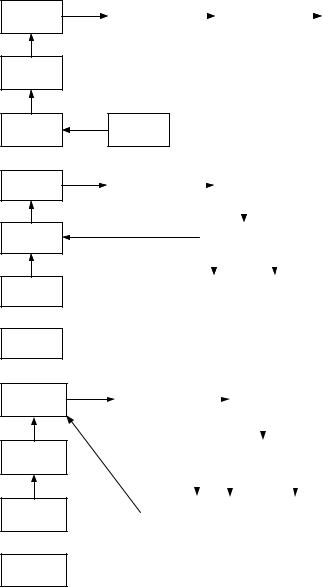
Fig. I.2. Layouts of the open NFC and two options of the closed NFC
21
2. The opposite viewpoint does not regard SNF as wastes suitable only for ultimate disposal. The viewpoint regards SNF as a valuable nuclear material that contains both primary and secondary fuel which can be extracted and multiply used for energy production. The NFC closure is considered as a main strategic pathway towards national energy independency.
Technological difficulties of SNF reprocessing, RAW treatment and ultimate disposal are estimated as very complicated and radiationdangerous but all the difficulties can be successfully overcome by currently available methods and technical tools.
Potential jeopardy of NM thefts and unauthorized use in the closed NFC is recognized too but the NM non-proliferation problems are considered as completely resolvable by means of already available domestic and international safeguard systems.
This viewpoint is supported by the Governments of France, Japan and Russia. The brightest example is a position of Japan. Practically, Japan has no available its own resources of fossil organic and nuclear fuel. So, Japan is not able to form a self-dependent power system based on coal, gas or oil incineration. Moreover, Japan has a series of substantial reasons to reject nuclear power option at all. Firstly, Japan is the only country in the world that was subject to the well-known nuclear bombardment in 1945. Secondly, Japan is a densely populated country placed on relatively small territory with intense seismic activity. Cher- nobyl-like nuclear accident is able to envelop all the country. Nevertheless, development of nuclear energy system based on fast breeder reactors with extended reproduction of secondary fuel in the closed NFC opens an opportunity for Japan to reach energy independency with very limited import of natural uranium.
The USA never encountered a problem of national energy independency. There are large deposits of fossil organic fuel and natural uranium in the USA. The US nuclear power system includes 104 units with total electrical power about 100 GWe; NPP share in total energy production is equal to 20%). In 2011 global nuclear power system consisted of 450 units with total capacity of 375 GWe, i.e. above one-fourth fraction of global nuclear power is produced by American NPP. No new NPP were built in the USA for the last 30 years. Besides, typical American NPP is a privately owned commercial enterprise. Thus, from
22
the USA standpoint, there are no any economical, political and nonproliferation incentives to arrange the closed NFC.
In 2011 total power of nuclear energy system in Japan was equal to 45 GWe (30% of total energy production), several new nuclear power units are under construction (15 GWe, in total). Japan is vitally interested in the NFC closure to reach self-sustainability of energy resources.
Control questions to Introduction
1.What is nuclear fuel? Call main components of nuclear fuel.
2.What are the primary nuclear fuel and the secondary nuclear fuel?
3.Call main distinctions between nuclear fuel and fossil organic fuel.
4.Call main stages of the open and the closed NFC.
5.What are main difficulties for the NFC closure?
23
CHAPTER 1. MAIN STAGES OF THE CLOSED NUCLEAR FUEL CYCLE
1.1. Mining and primary treatment of uranium ore
For the beginning, the following information can be presented about discoveries of natural nuclear materials – uranium and thorium.
German chemist M. Klaproth is considered as a scientist who performed uranium discovery in 1789. Klaproth precipitated a yellow compound by dissolving pitchblende extracted from silver mines in Jachymov (Czech Republic now) in nitric acid. Klaproth erroneously assumed the yellow substance was the oxide of a new yet undiscovered chemical element. He named the newly discovered element after the planet Uranus. In 1841 the French chemist E. Peligot isolated the first sample of metal uranium.
Thorium was discovered in 1828 by the Norwegian mineralogist M. Esmark, identified by the Swedish chemist J. Berzelius and named after Thor, the Norse god of thunder. Despite such a terrible name, thorium was never used in any military purposes. In pure thorium ores thorium consists of isotope 232Th only. Thorium decays with emission of α- particles, its half-life (T1/2 = 1,4·1010 years) is about three-fold longer than half-life of main uranium isotope 238U (T1/2 = 4,5·109 years). Geological evaluations showed that natural thorium resources exceeded natural uranium resources up to the same degree (three-fold exceeding). Average uranium abundance in the Earth’s crust is estimated as 2-4 ppm while thorium abundance is three times larger, i.e. 12-15 ppm.
Because of their strong chemical activity, uranium and thorium are not found in the nature as pure metals but only in form of complex chemical compounds. In total, nearly 200 uranium and thoriumcontaining minerals are known today.
Because of strong chemical activity of uranium, because of high solubility of uranium compounds in water that leads to active uranium transport in the Earth’s crust, there are relatively few regions in the world with rich deposits of uranium ores. According to some geological evaluations, sea and ocean water contains about 4×10⁹ t natural uranium (~3,3 mg/m3, or 0,003 ppm, as an average content). For comparison:
24
total natural uranium resources in the Earth’s crust are evaluated in 1014 tons (2-4 ppm, as an average content).
The following categories of uranium ores can be marked out depending on uranium content:
1.Very rich ores contain above 1% U.
2.Rich ores contain 0,5-1% U.
3.Medium ores contain 0,25-0,5% U.
4.Ordinary ores contain 0,09-0,25% U.
5.Poor ores contain below 0,09% U.
In average, the mined ores contain about 0,1% U, i.e. these are ordinary and poor uranium ores.
Natural uranium resources are evaluated on the following two cost categories:
1.Cheap uranium costs below 80 US dollars per 1 kg U3O8.
2.Expensive uranium costs above 80 US dollars per 1 kg U3O8.
The threshold cost (80 US dollars/kg U3O8) differentiates the competitiveness areas of NPP and coal-fired TPP. If natural uranium costs below 80 US dollars/kg U3O8, then NPP produces the cheaper electrical energy than TPP does, and vice versa.
The following four categories of natural uranium resources can be marked out depending on the completeness of geological information:
1.Reasonably assured uranium resources (RAR).
2.Inferred uranium resources (IR), i.e. uranium deposits at peripheral wings of reasonably assured resources.
3.Prognosticated uranium resources refer to those expected to exist in well-known uranium provinces.
4.Speculative uranium resources refer to those expected to exist in geological provinces that may host uranium deposits.
The first and second categories are the most trustworthy ones. Information on global uranium resources (as of January 1, 2009) and uranium production rate in 2006-2008 is presented in Table 1.1 and Table 1.2. As is seen, the reasonably assured uranium resources are evalu-
ated as 3,52×10⁶ t, the inferred uranium resources - 1,88×10⁶ t, i.e. about 5,4×10⁶ t in total, including 3,7×10⁶ t of cheap uranium and 1,7×10⁶ t of expensive uranium. As of January 1, 2009, the world nuclear power (373 GWe) required 59 thousand tons of natural uranium a year. Under such a consumption rate, the cheap uranium resources will be sufficient
25