|
|
|
|
|
‘Routine’ is usually |
5 |
|
|
|
|
|
seen as a negative term nowadays, |
|
|
|
|
|
|
largely because we no longer belong to a society |
|
|
|
|
|
|
of nine-to-fivers. We live in what is fast becoming a 24- |
|
|
|
|
|
|
hour society, where everything is open all hours. You can buy |
|
|
|
|
|
your groceries at midnight, book your holiday on the Internet at 3 |
|
|
|
|
|
am, and do business online at the crack of dawn. Before you join |
|
|
|
|
|
the 24-hour revolution, however, take a minute to listen to what your |
|
|
|
|
|
body is trying to tell you – that a round-the-clock lifestyle is not what |
|
|
|
|
|
nature intended. |
|
|
|
|
|
|
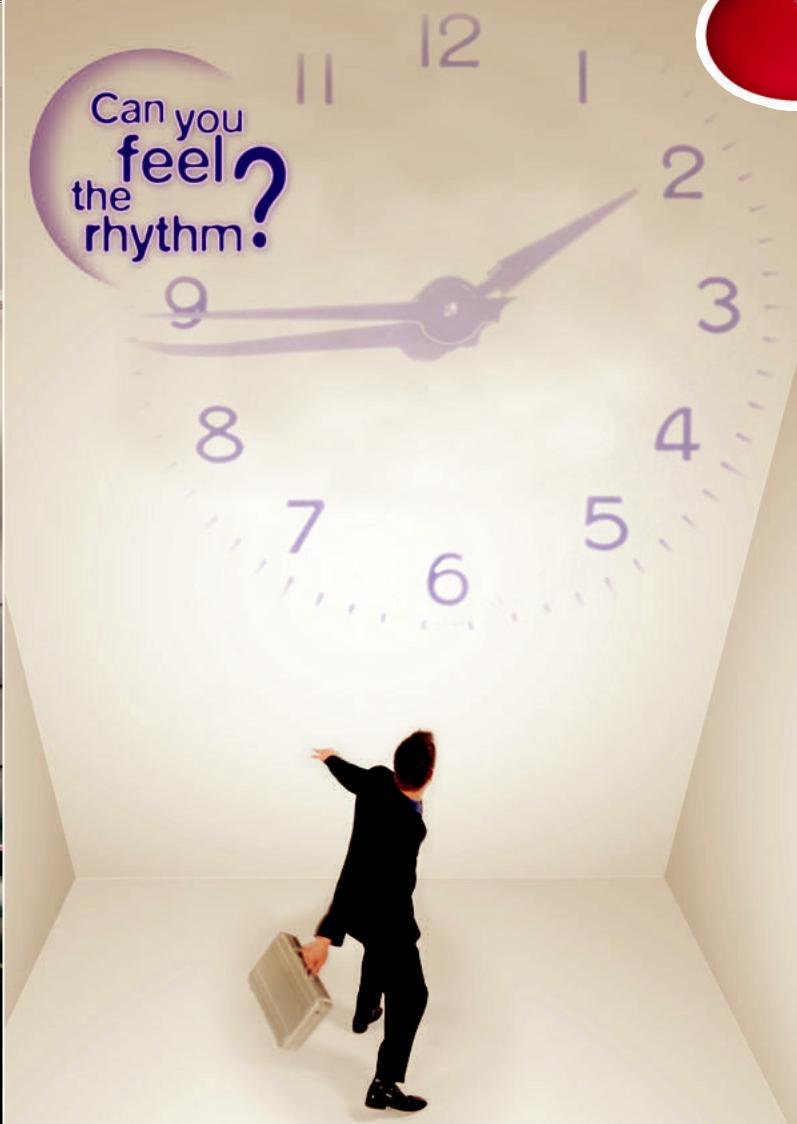
In an area of our brains called the hypothalamus, we have a ‘body clock’ |
|
|
|
|
|
that controls our body’s natural rhythms. It tells us when it’s the right time to |
line 12 |
|
|
|
|
eat, sleep, work and play. It plays an important part in our physical and |
|
|
|
|
|
psychological well-being. It is, in fact, what makes us tick and it controls many |
line 14 |
|
|
|
things including our hormones, temperature, immune functions and alertness. It |
|
|
|
synchronises all these like a conductor with an orchestra; it regulates tempo and |
|
|
|
brings in all the different instruments on time to make music rather than random noise. If we |
|
|
|
try to ignore our body clocks, or even to switch them off for a while, we not only deprive |
|
|
ourselves of much needed rest but we also run the risk of seriously damaging our health. |
|
|
|
|
Ignoring your body clock and changing your body’s natural rhythms can not only make you |
|
|
depressed, anxious and accident prone, it can lead to much more serious health problems. For |
|
|
example, heart disease, fatigue, ulcers, muscular pain, and frequent viral infections can all |
|
|
result from trying to outsmart our body clocks. Altering our patterns of sleeping and waking |
|
|
|
dramatically affects our immune system. While we sleep the body’s repair mechanisms are at |
|
|
Reading |
work; when we are awake natural killer cells circulate around our bodies and cause more |
|
|
damage. Our digestive system is affected, too – high levels of glucose and fat remain in |
|
3 |
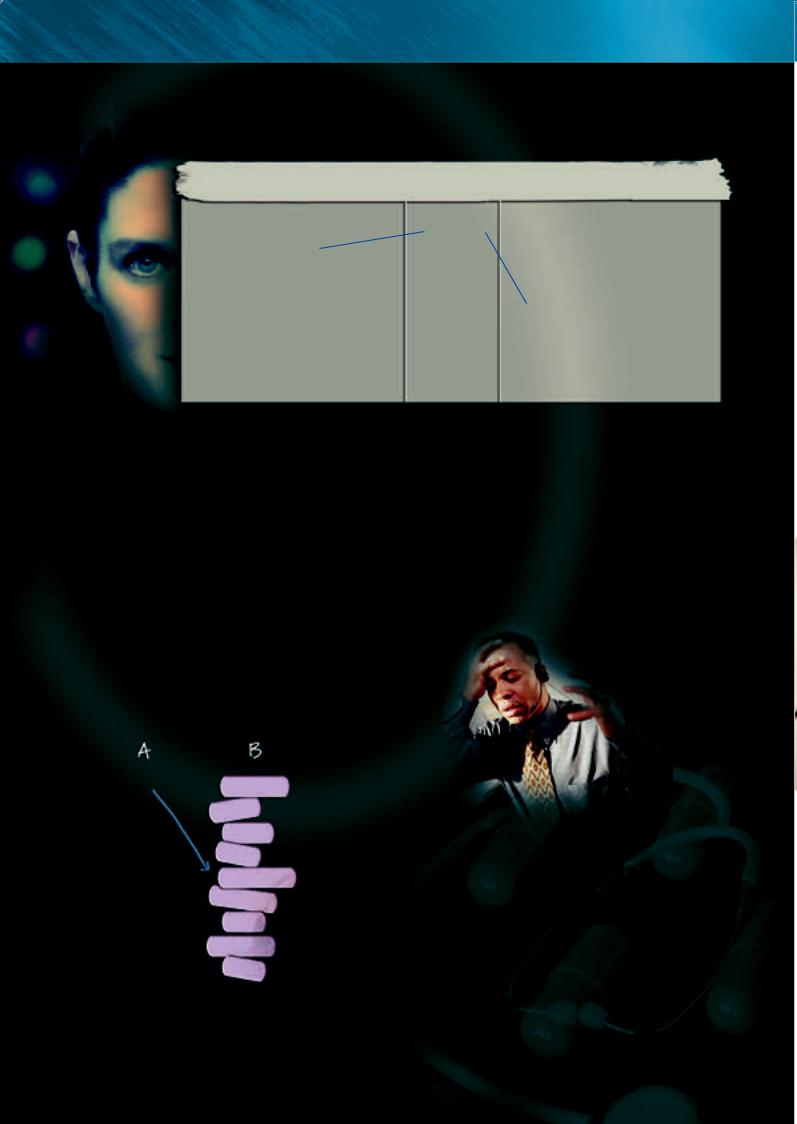
a. What is the man |
our bloodstream for longer periods of time and this can lead to heart disease. |
|
Unfortunately, we were not designed to be members of a 24-hour society. We |
|
|
|
below looking at? |
can’t ignore millions of years of evolution and stay up all night and sleep all day. |
|
|
|
How do you think |
We function best with a regular pattern of sleep and wakefulness that is in |
|
|
|
he feels? Why? |
tune with our natural environment. Nature’s cues are what keep our |
|
|
|
|
body clocks |
ticking rhythmically and everything working |
in |
|
|
|
|
|
|
|
b. Is it important to have a |
harmony. So, next time you think a daily routine is boring |
|
|
|
|
standard daily routine? |
and predictable, remember that routine may well |
|
|
|
|
|
save your life in the long run. |
|
|
|
|
Why/Why not? |
|
|
|
|
|
|
|
|
|
|
|
|
|
Read the text to find out. |
|
5 According to the text, we should |
|
|
|
|
|
|
|
|
|
|
c. Read the text again and choose the correct |
A do things when our body tells us to. |
|
|
|
answer, A, B, C or D, for questions 1-6. |
B organise our body clock according to a strict |
|
|
|
|
|
|
schedule. |
|
|
1 |
What does itin line 12 refer to? |
|
C use the natural environment to work out a regular |
|
|
A |
our body’s natural rhythms |
|
routine. |
|
|
|
|
D have a boring, slow-paced lifestyle. |
|
|
B |
the hypothalamus |
|
|
|
|
|
|
|
|
|
|
C our body’s biological clock |
|
6 According to the text, our body clock |
|
|
D |
our brain |
|
|
A can be changed without harm. |
|
|
|
|
|
|
|
|
|
2 |
What does the word tickin line 14 mean? |
B determines when we should do things. |
|
|
A |
check |
|
|
C helps us to fight sleep. |
|
|
|
|
|
D is a boring routine. |
|
|
|
B |
motivate |
|
|
|
|
|
|
|
|
|
|
|
C |
select |
|
|
|
|
|
|
D |
function |
|
|
d. Explain the words/phrases in bold. Which words |
|
3 In what way is our body clock like the |
in the text do you think come from another |
|
language? Are there any words in the text that |
|
|
conductor of an orchestra? |
|
|
|
|
are the same in your language? |
|
|
|
A The hypothalamus controls our actions. |
|
|
|
|
|
|
|
B It makes all the body’s functions work |
Follow-up |
|
|
|
|
together at the right time. |
|
|
|
|
C The body clock is very precise. |
|
4 Why has the writer written this article? Are there |
|
|
D We have a special programme. |
|
|
4 If we change our sleep patterns, we |
|
any points in the article you disagree with? Is there |
|
|
any information you did not know before reading |
|
|
A will get an infection. |
|
the article? Compare answers with your partner. |
|
|
B will disturb our immune system. |
|
|
|
|
|
C will get heart disease. |
|
|
|
|
|
D get high levels of dangerous cells. |
|
|
|
|

 b.
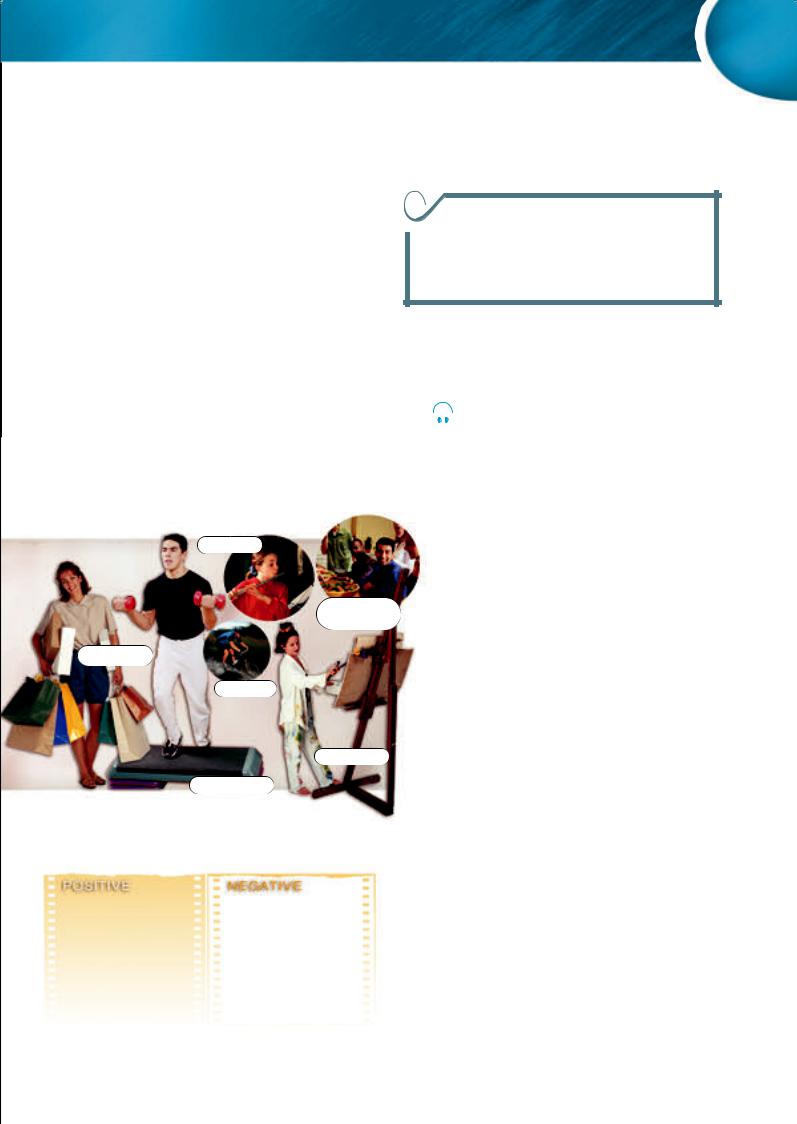
b. Listen and say how each speaker sounds, using words from the list above.